BETWEENNESS: Technoculture and the Baltics
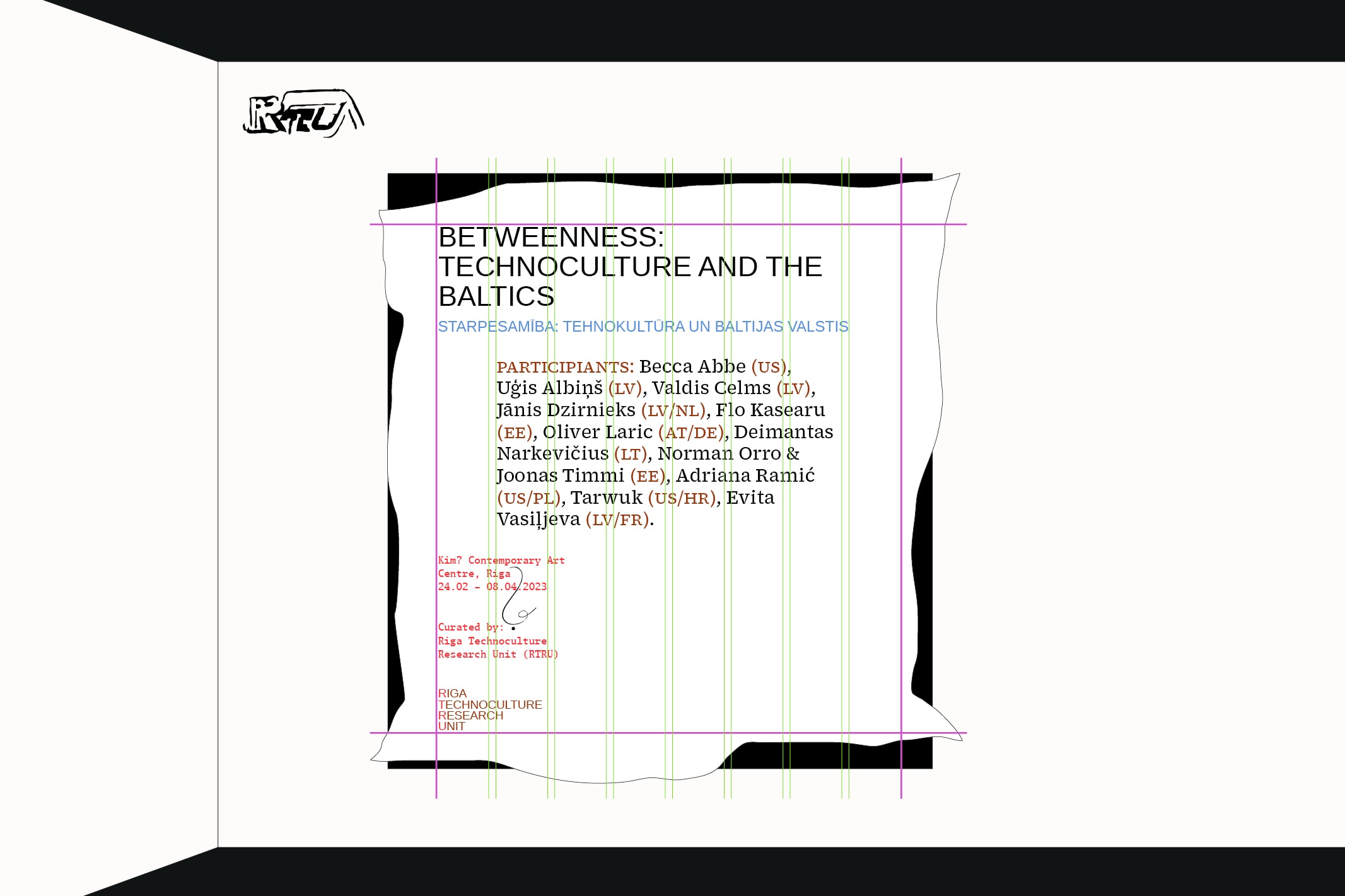
Kim? Contemporary Art Centre
Riga
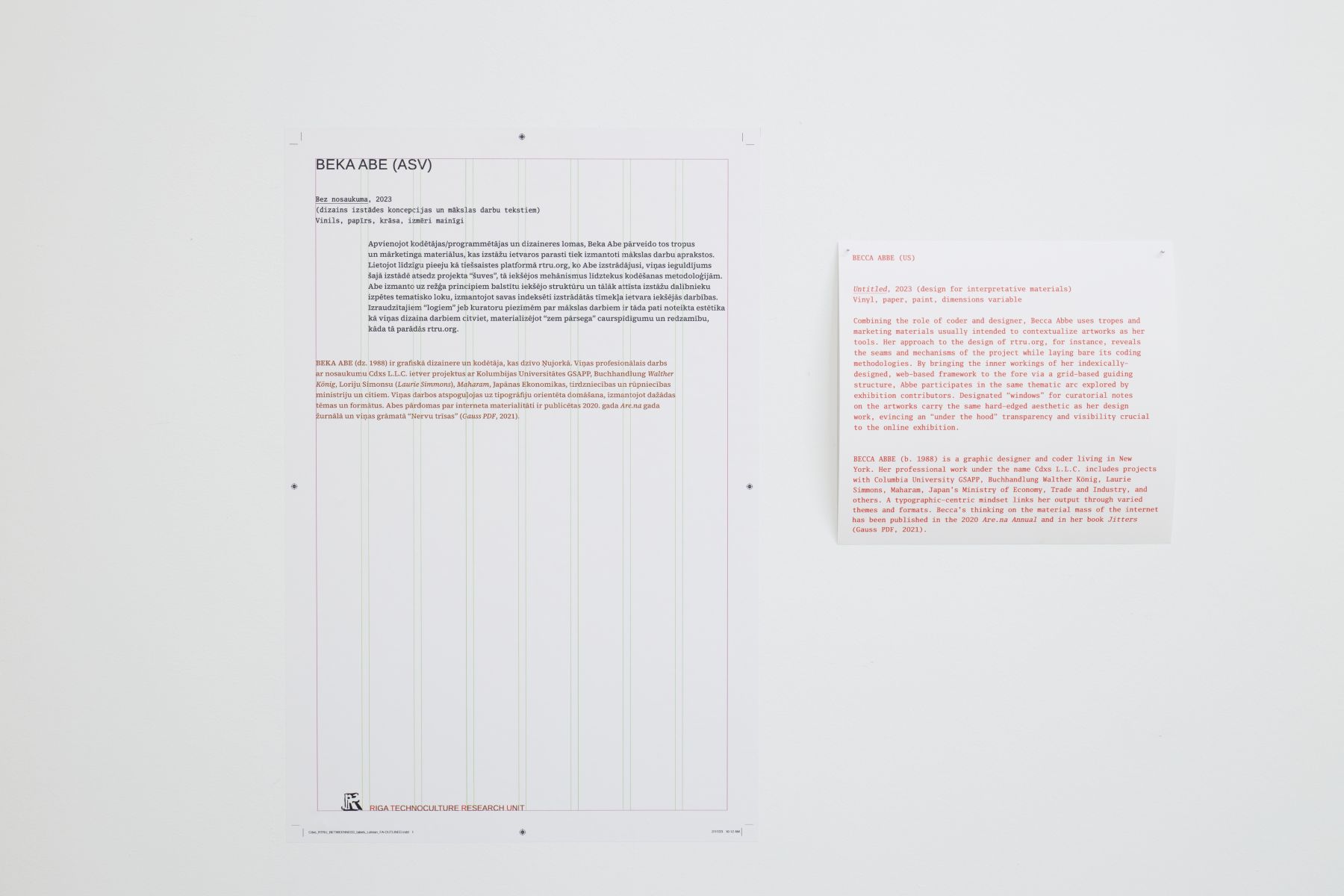
Becca Abbe (US), Uģis Albiņš (LV), Valdis Celms (LV), Jānis Dzirnieks (LV/NL), Flo Kasearu (EE), Oliver Laric (AT/DE), Deimantas Narkevičius (LT), Norman Orro & Joonas Timmi (EE), Adriana Ramić (US/PL), Tarwuk (US/HR), Evita Vasiļjeva (LV/FR)
[1]
[2]
[3]
[4]
[5]
[6]
[7]
[8]
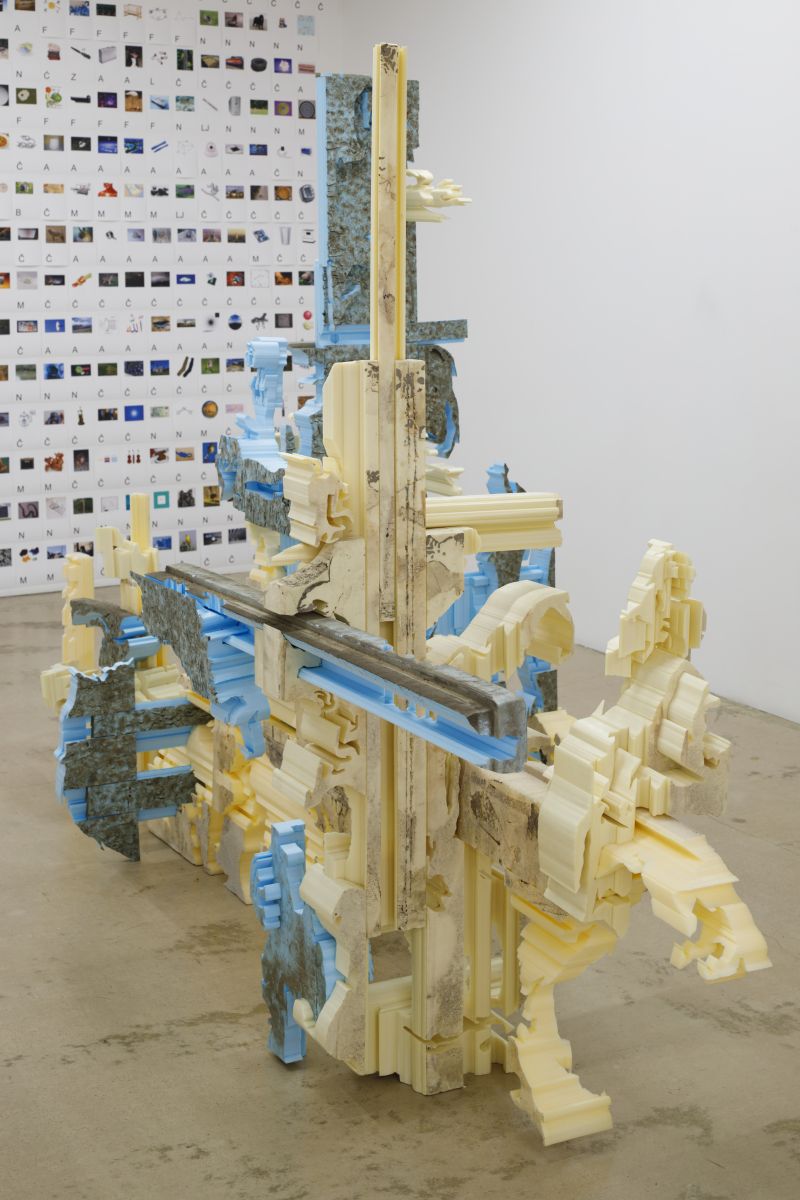
[9]
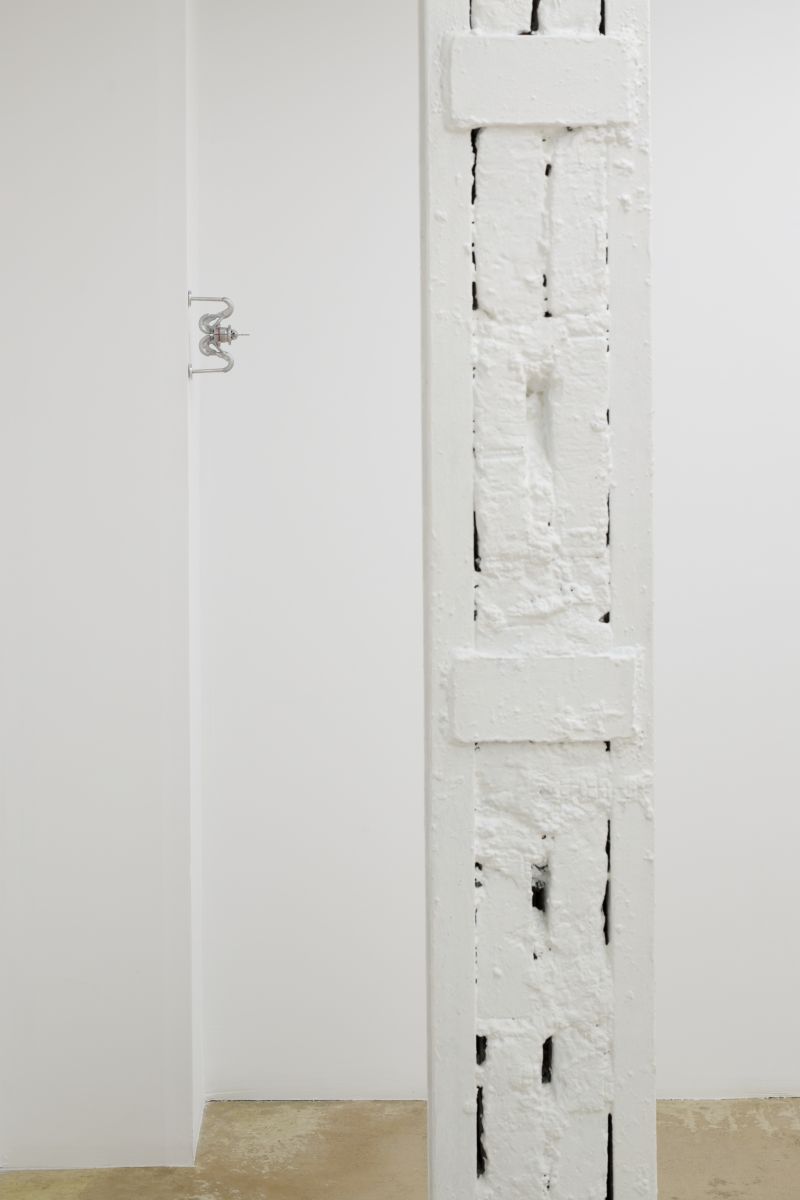
[10]
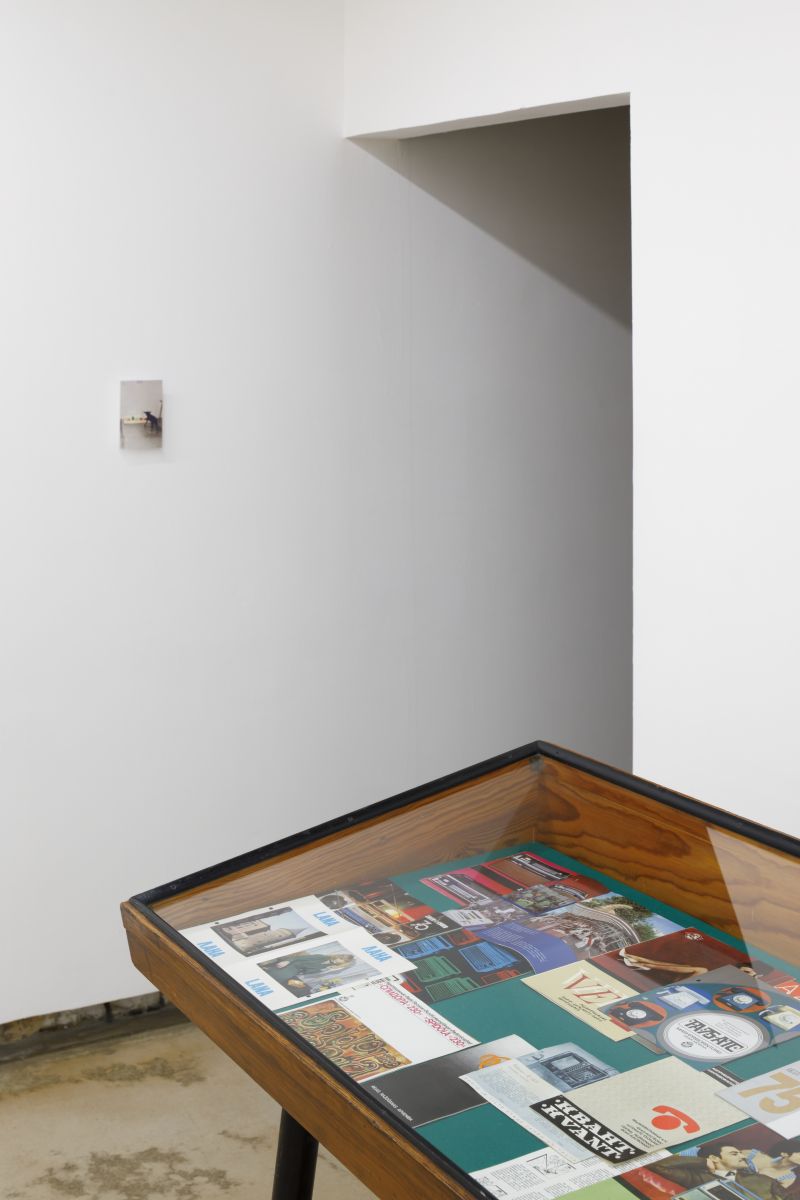
[11]
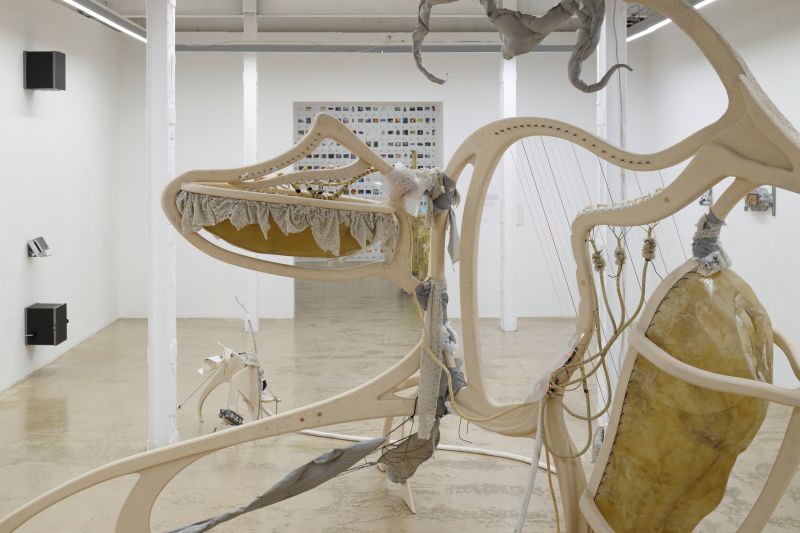
[12]
[13]
[14]
[15]
[16]
[17]
[18]
[19]
[20]
[21]
[22]
[23]
[24]
[25]
[26]
[27]
[28]
[29]
[30]
[31]
[32]
[33]
[34]
[35]
[36]
[37]
[38]
[39]
[40]
[41]
[42]
[43]
[44]
[45]
[46]
[47]
[48]
[49]
[50]
[51]
[52]
[53]
[54]
[55]
[56]
[57]
[58]
[59]
[60]
[61]
[62]
[63]
[64]
[65]
[66]
[67]
[68]
[69]
[70]
[71]
BETWEENNESS: Technoculture and the Baltics
Starpesamība: tehnokultūra un Baltijas valstis
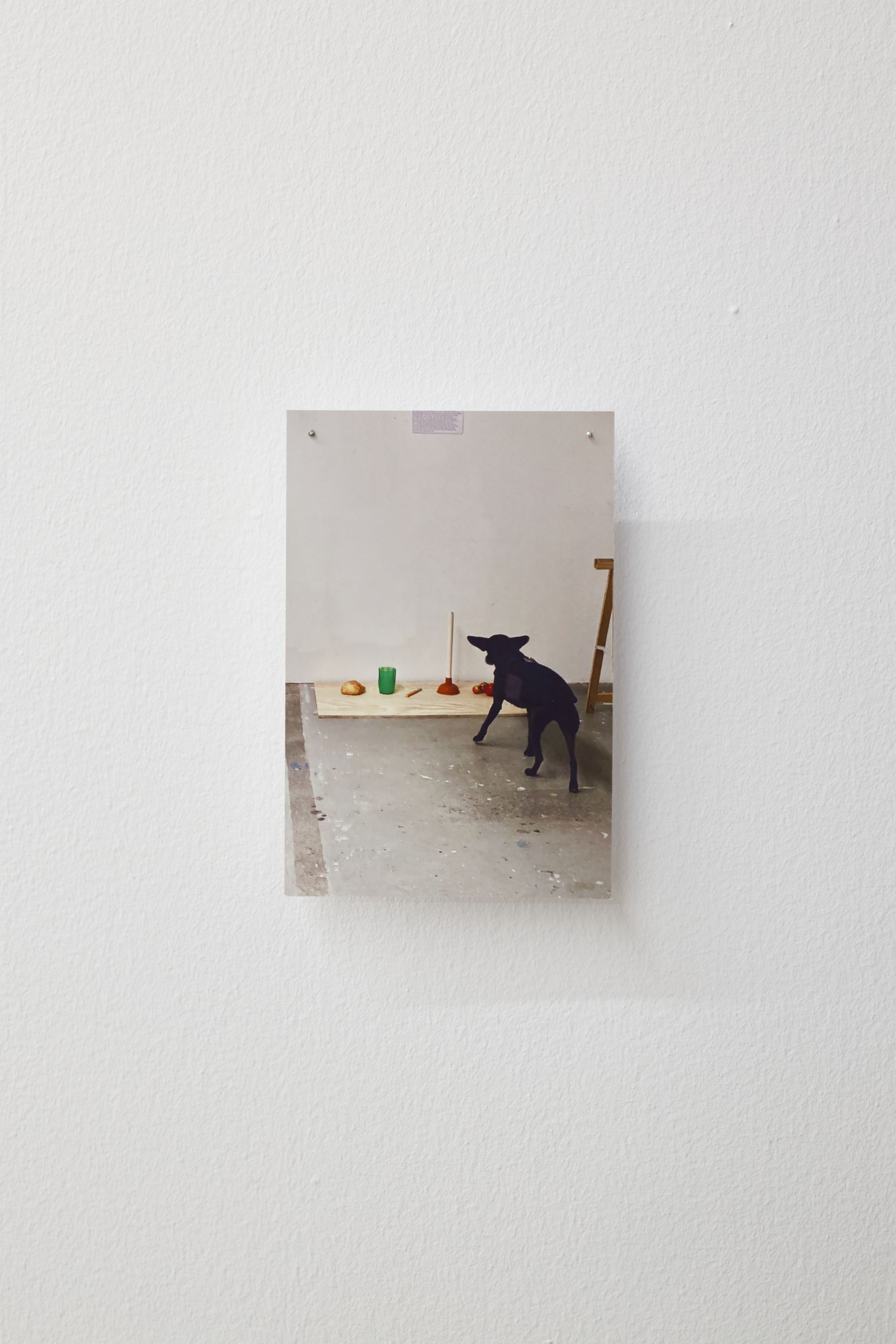
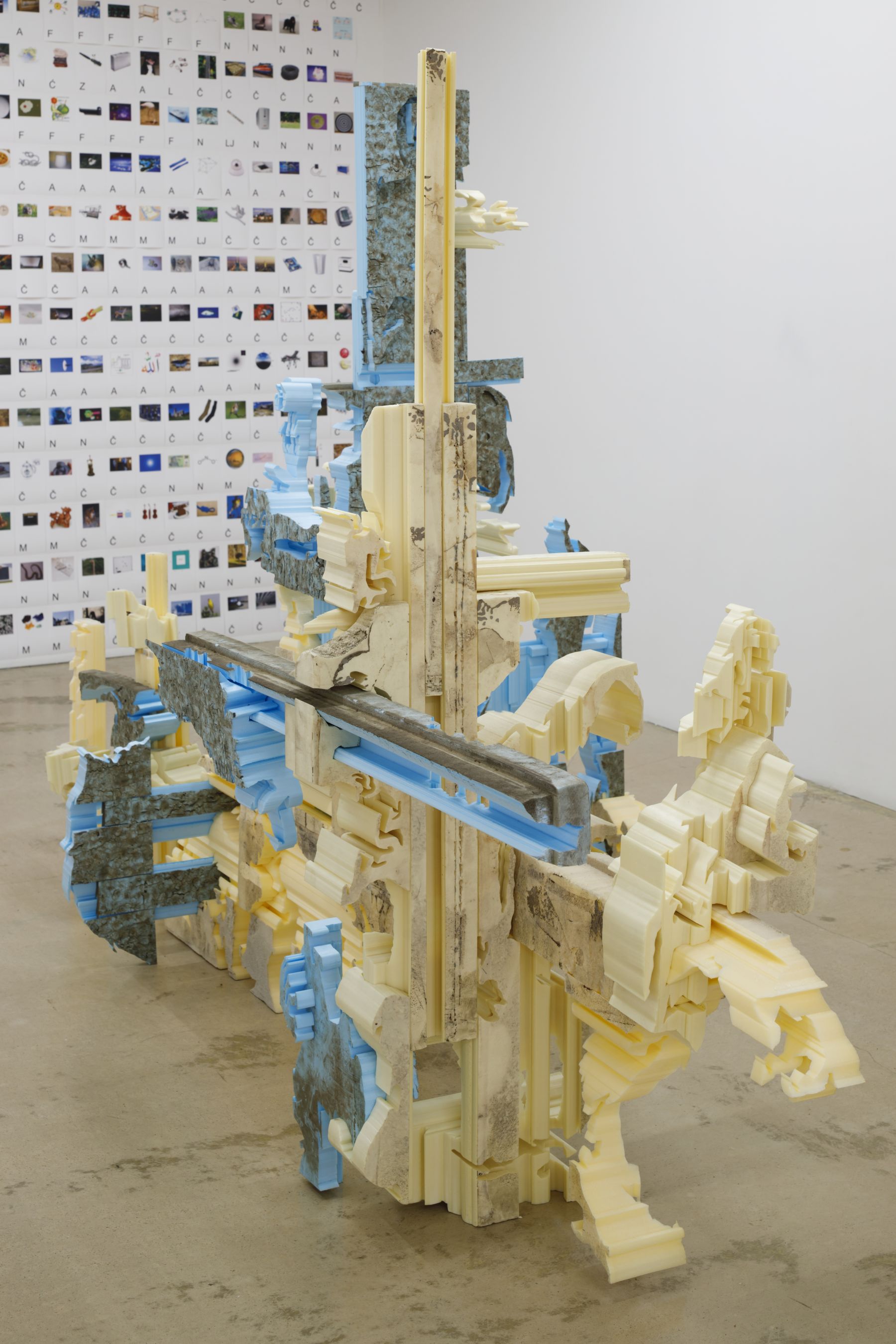
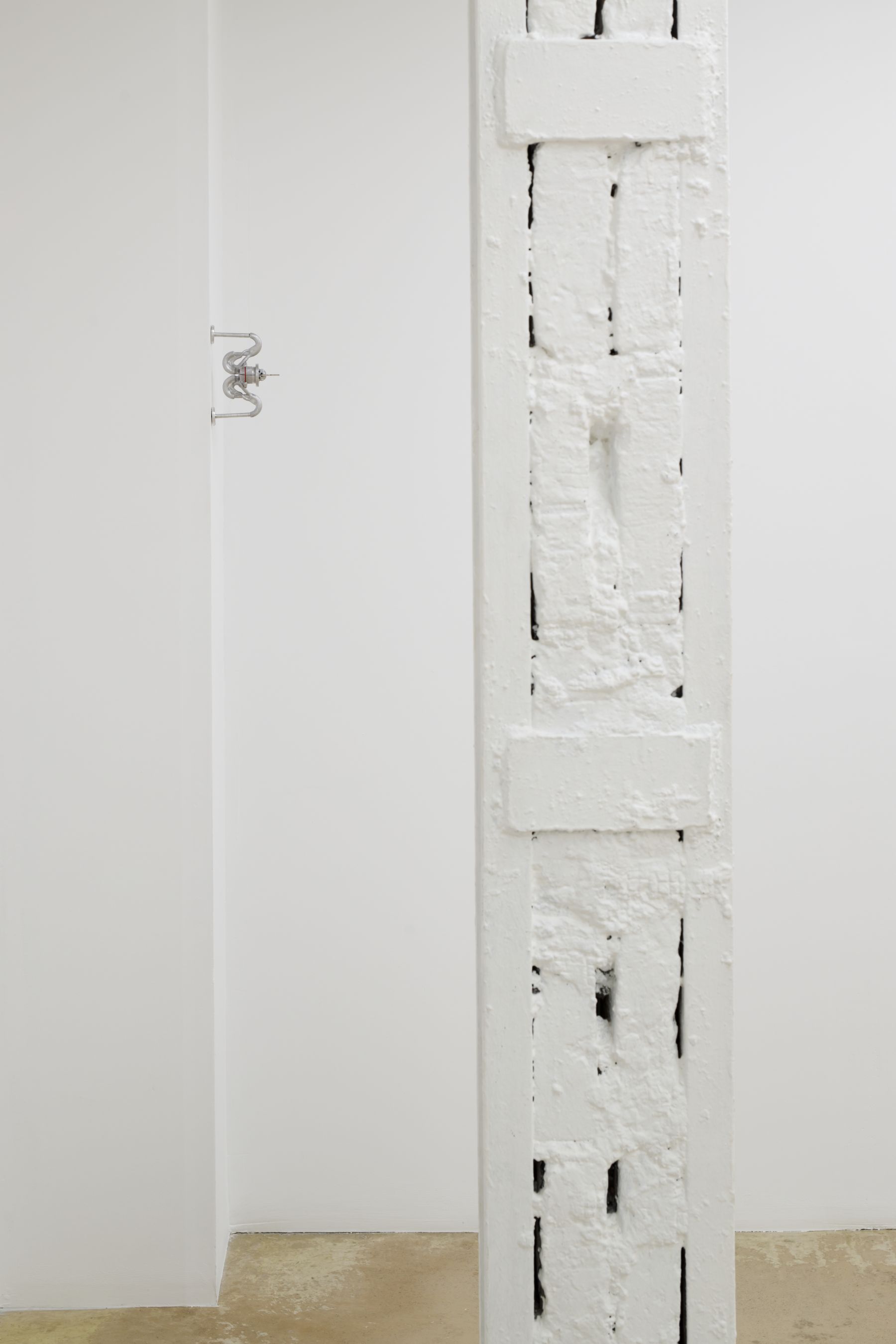
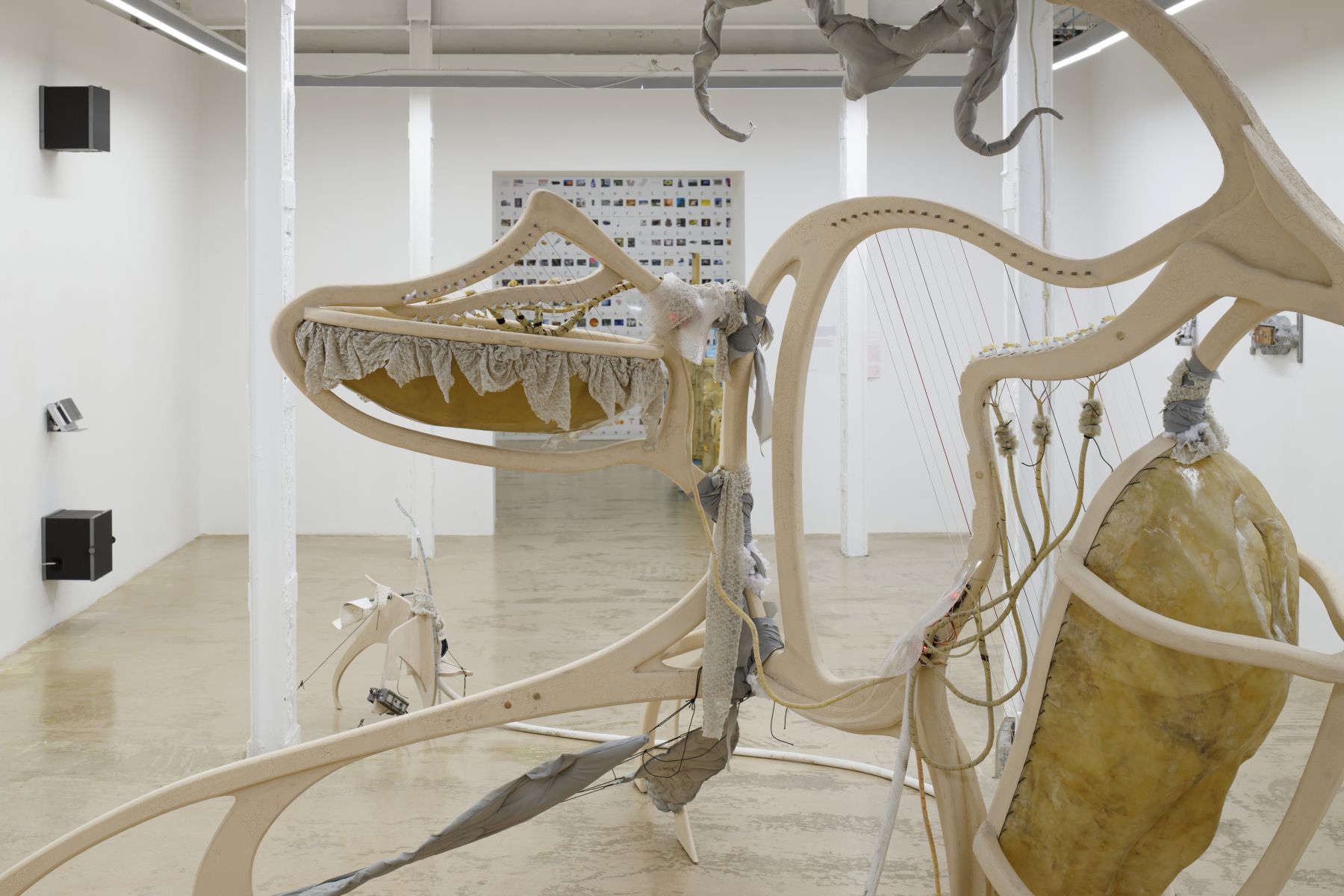
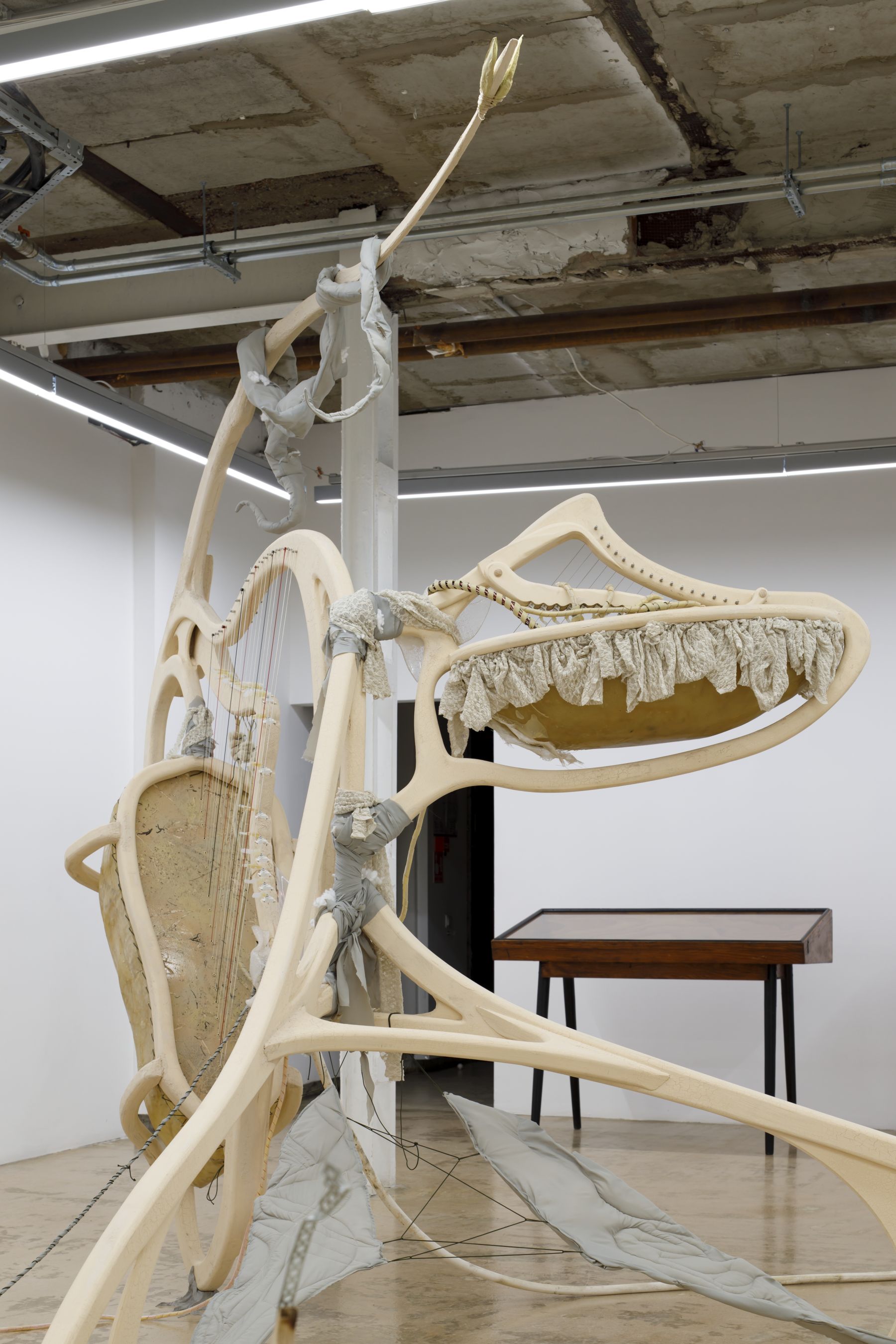
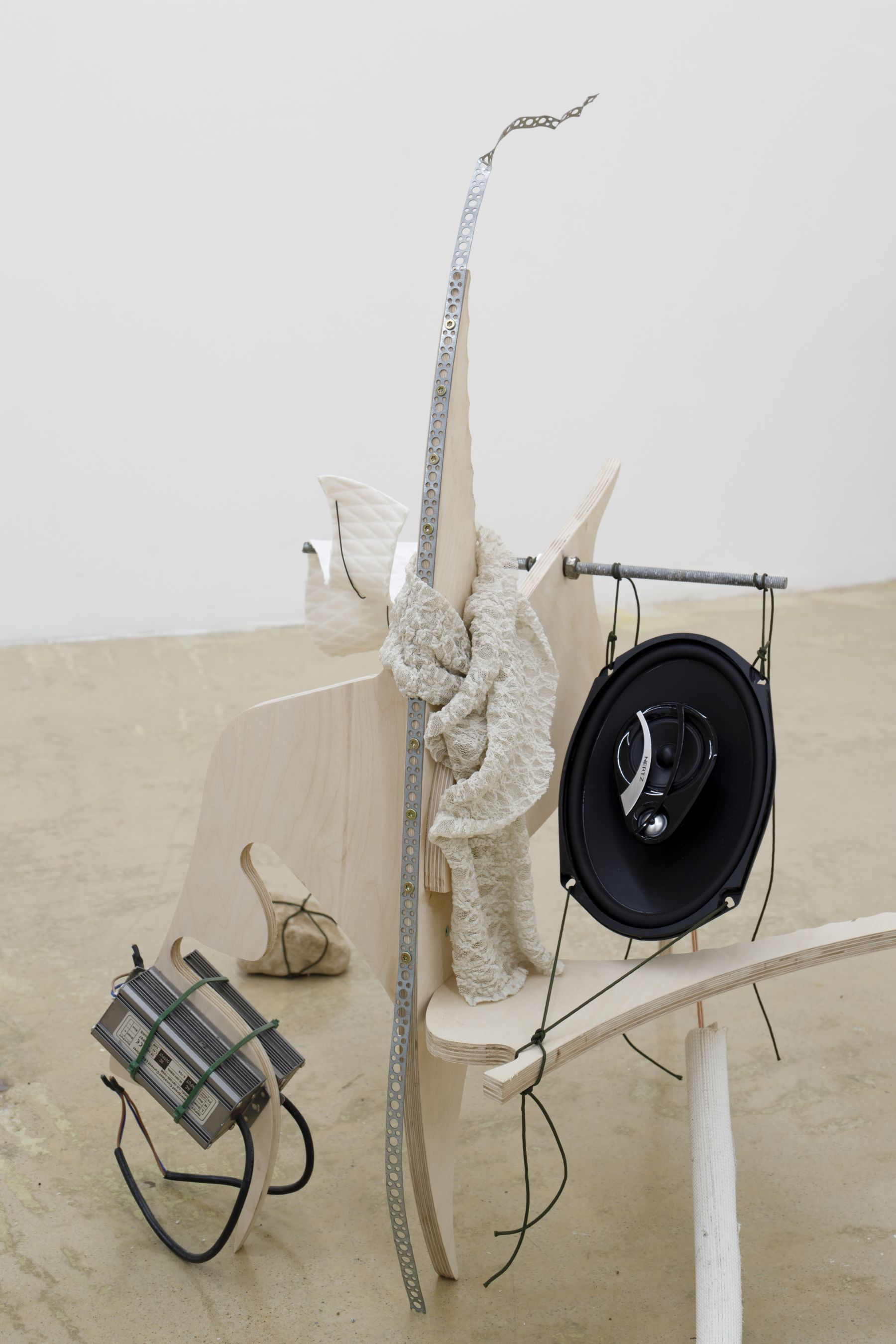
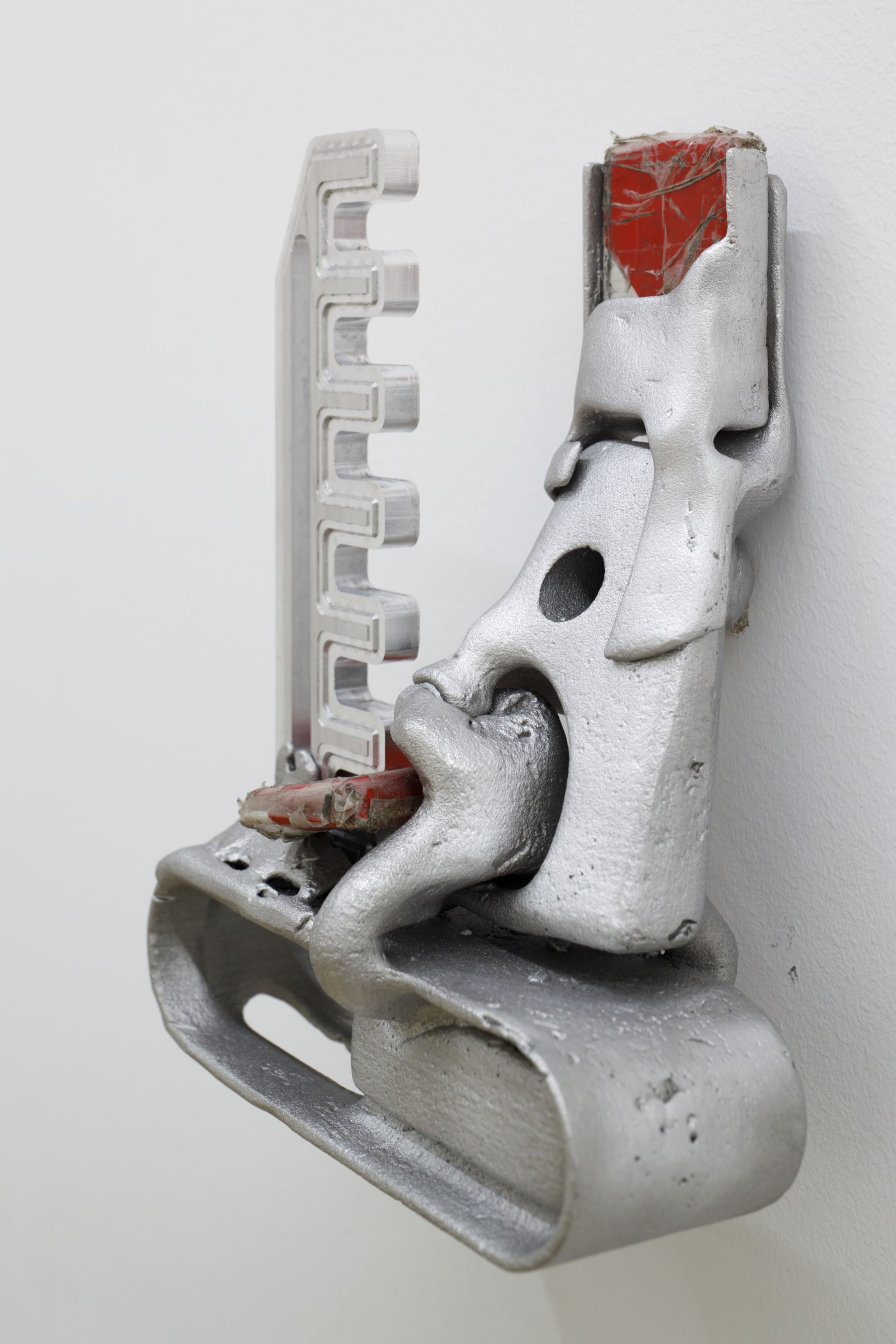
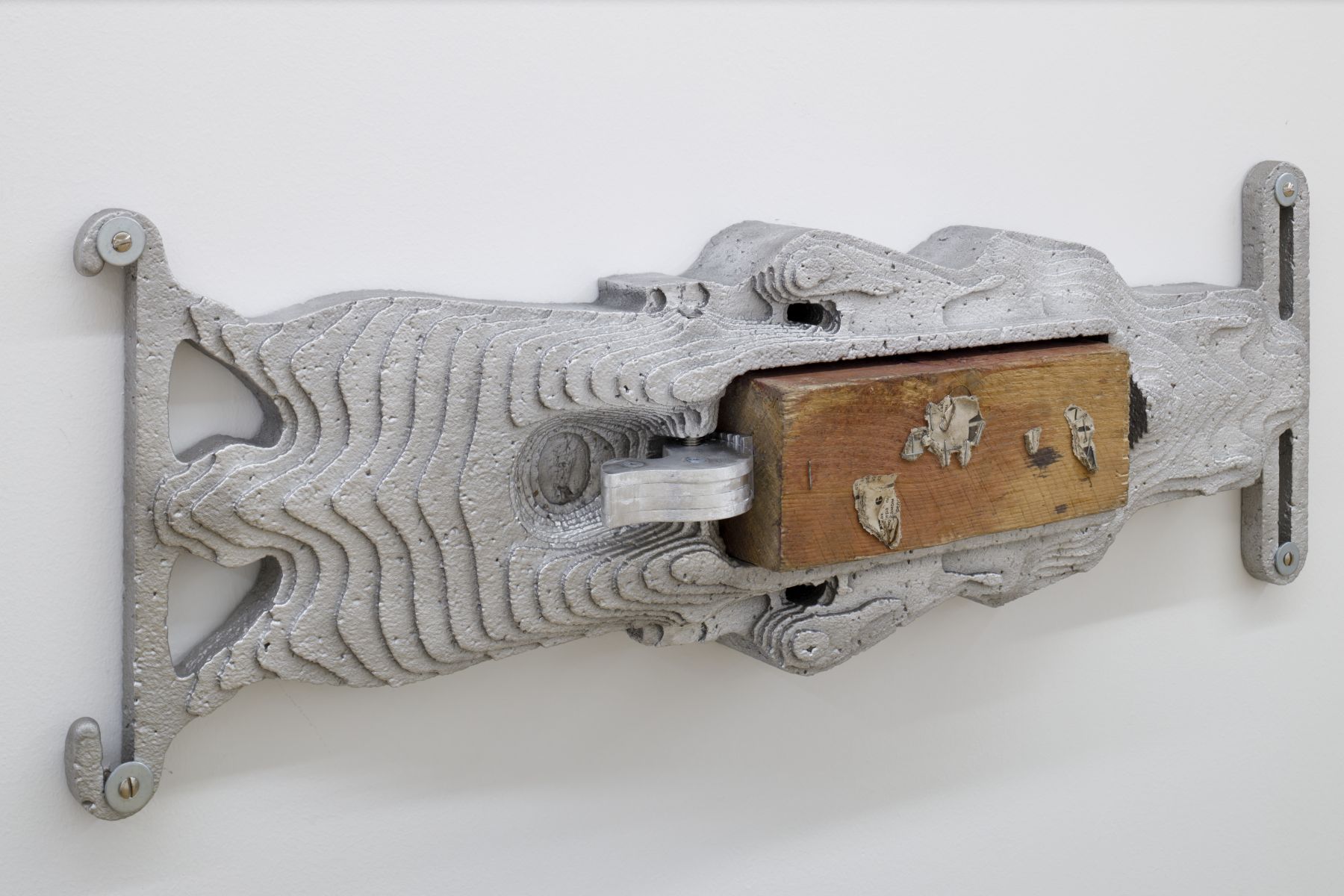
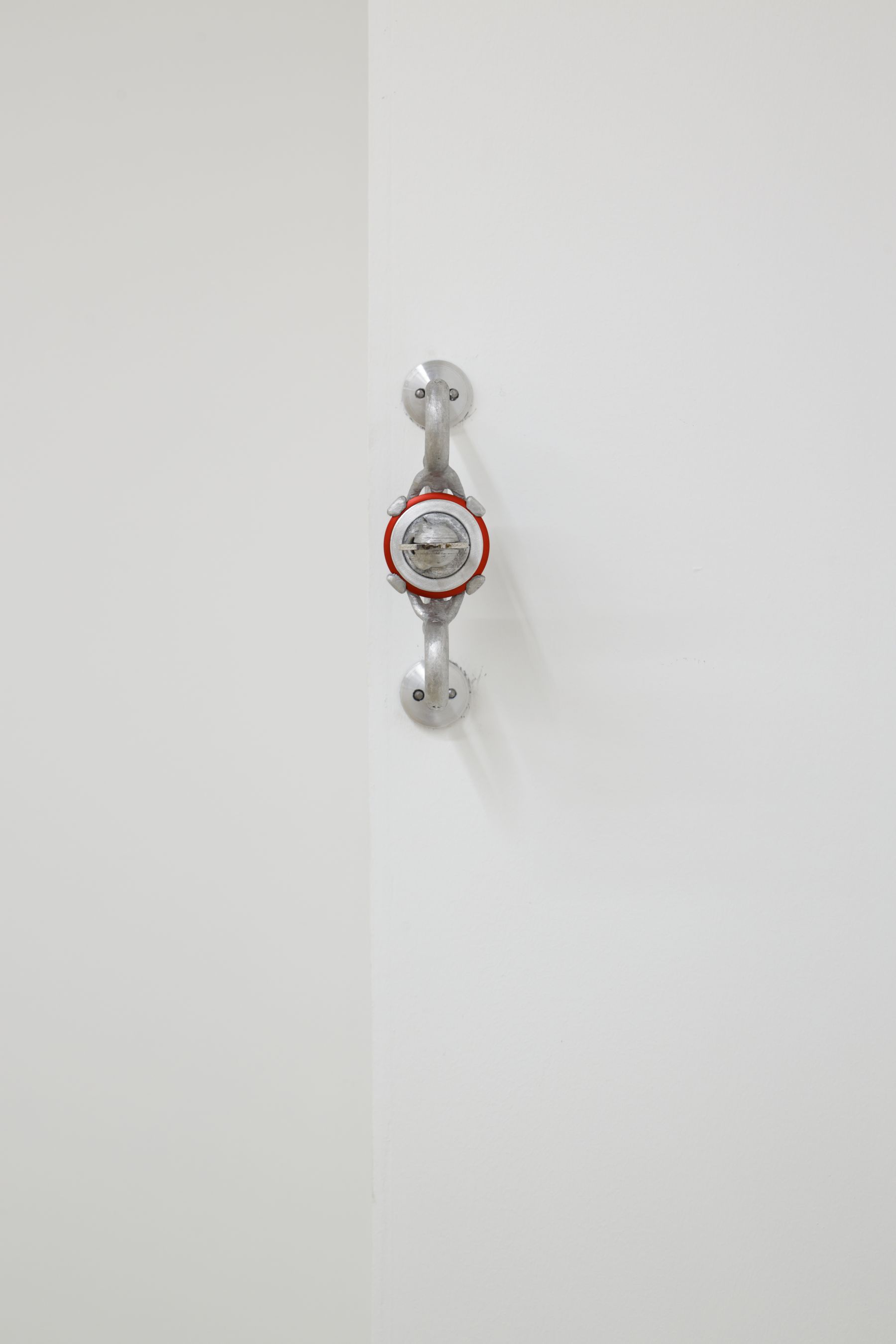
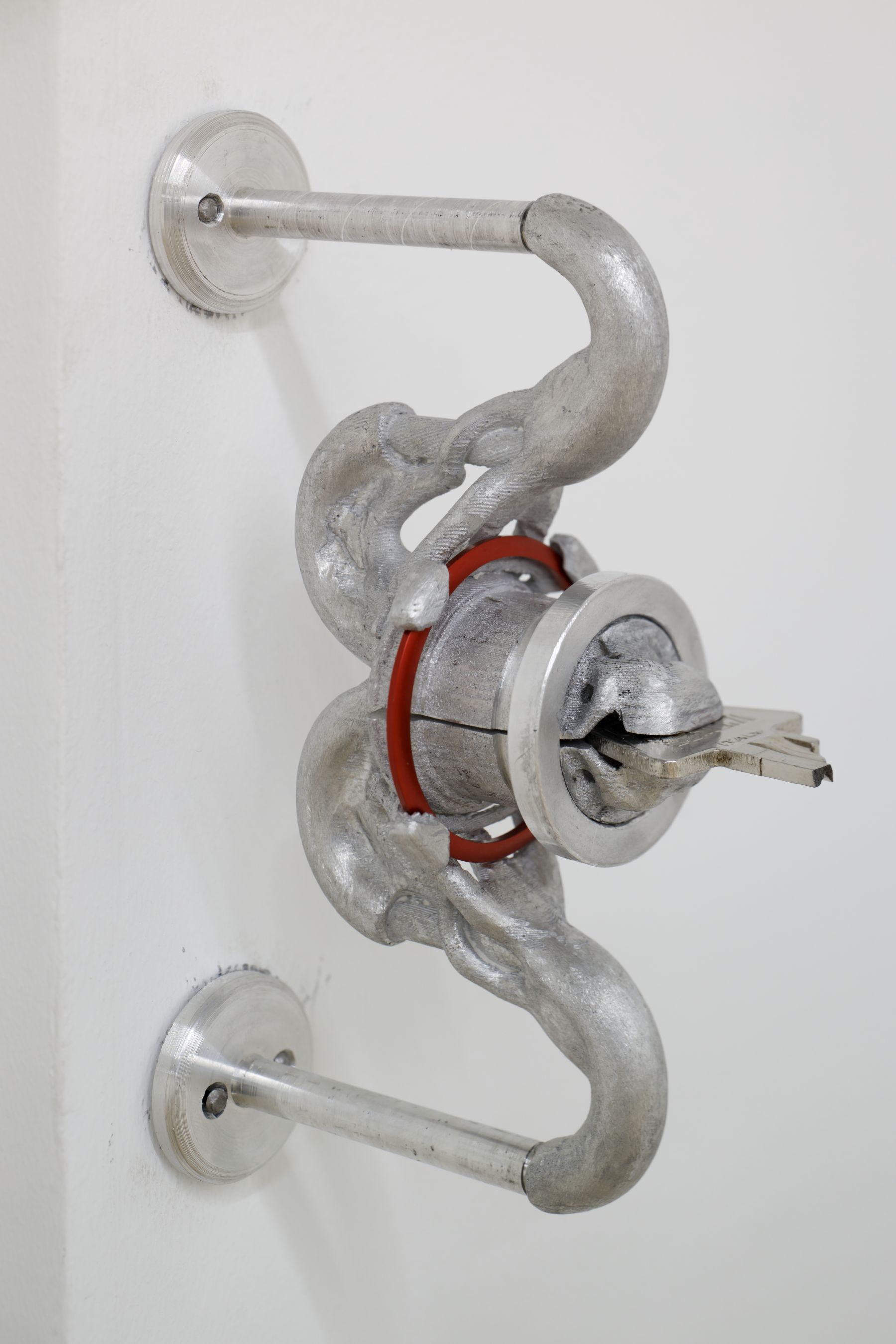
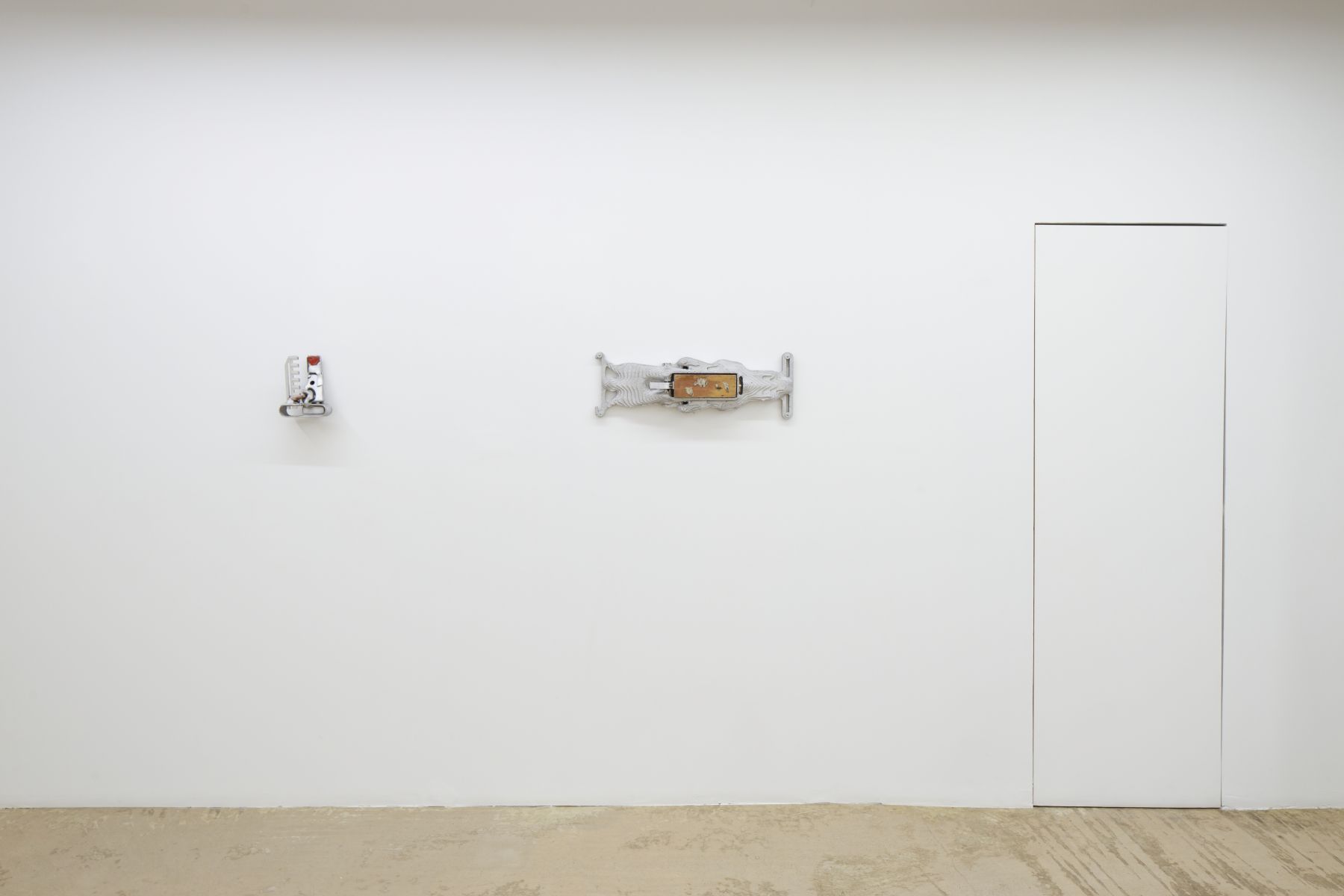
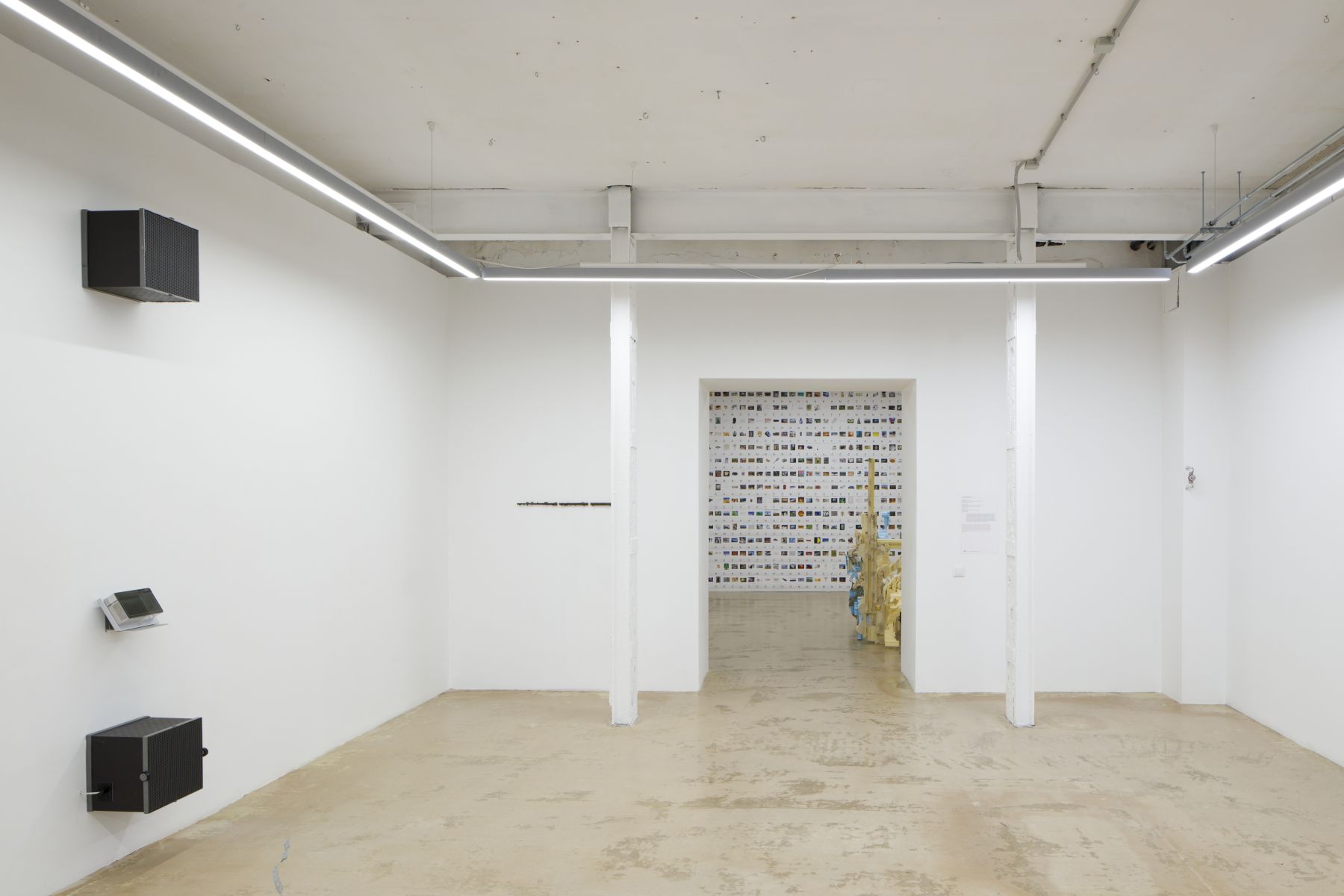
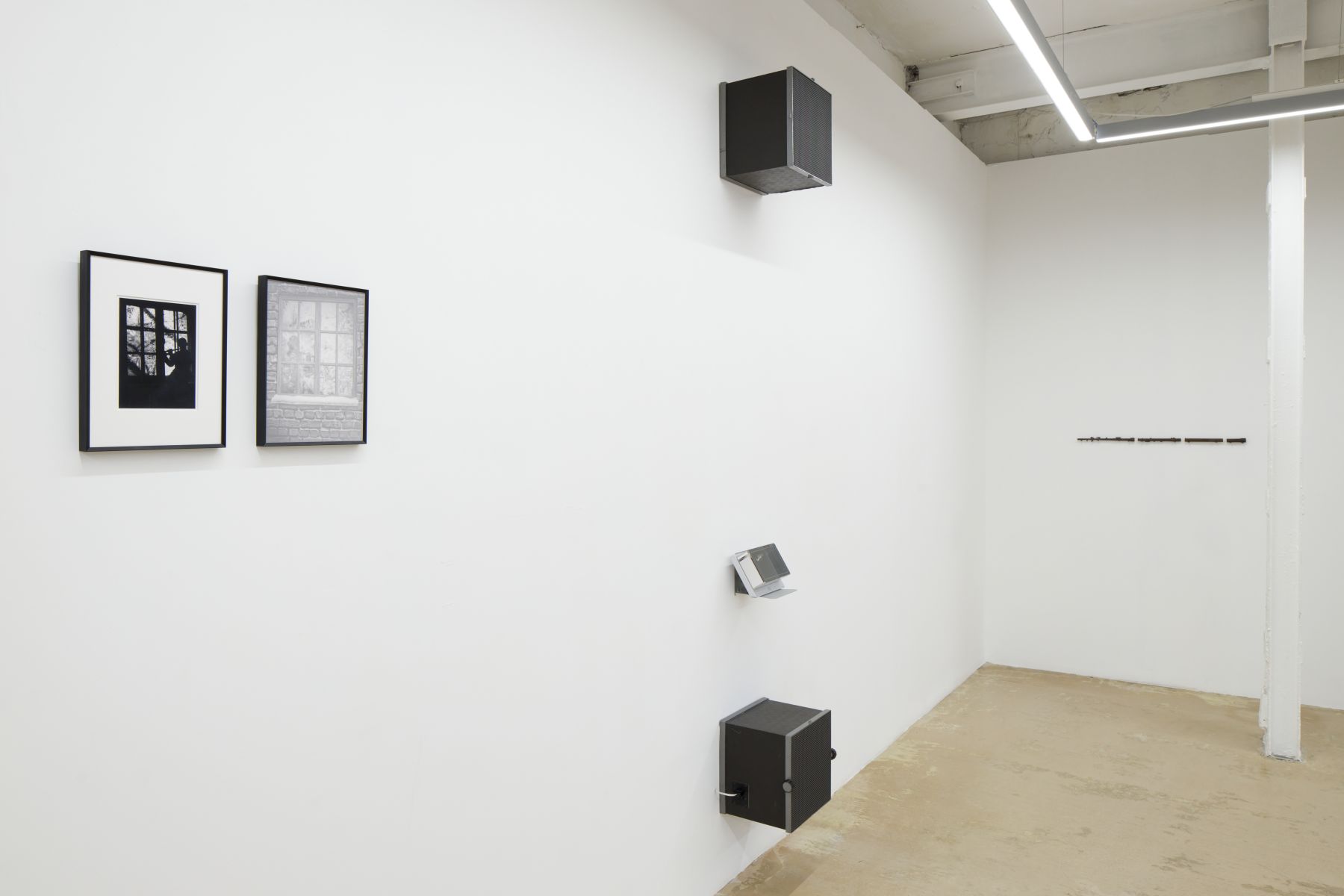
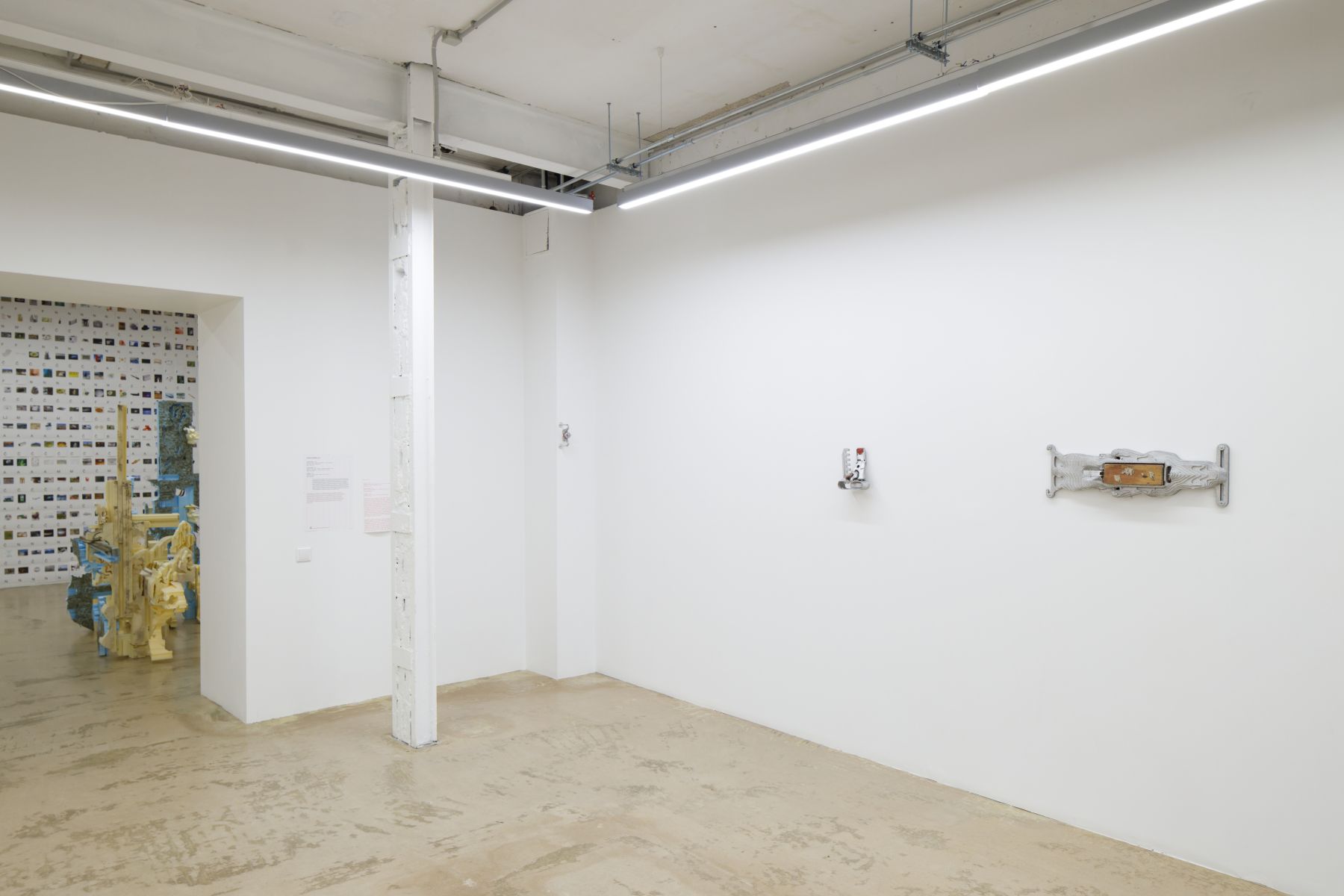
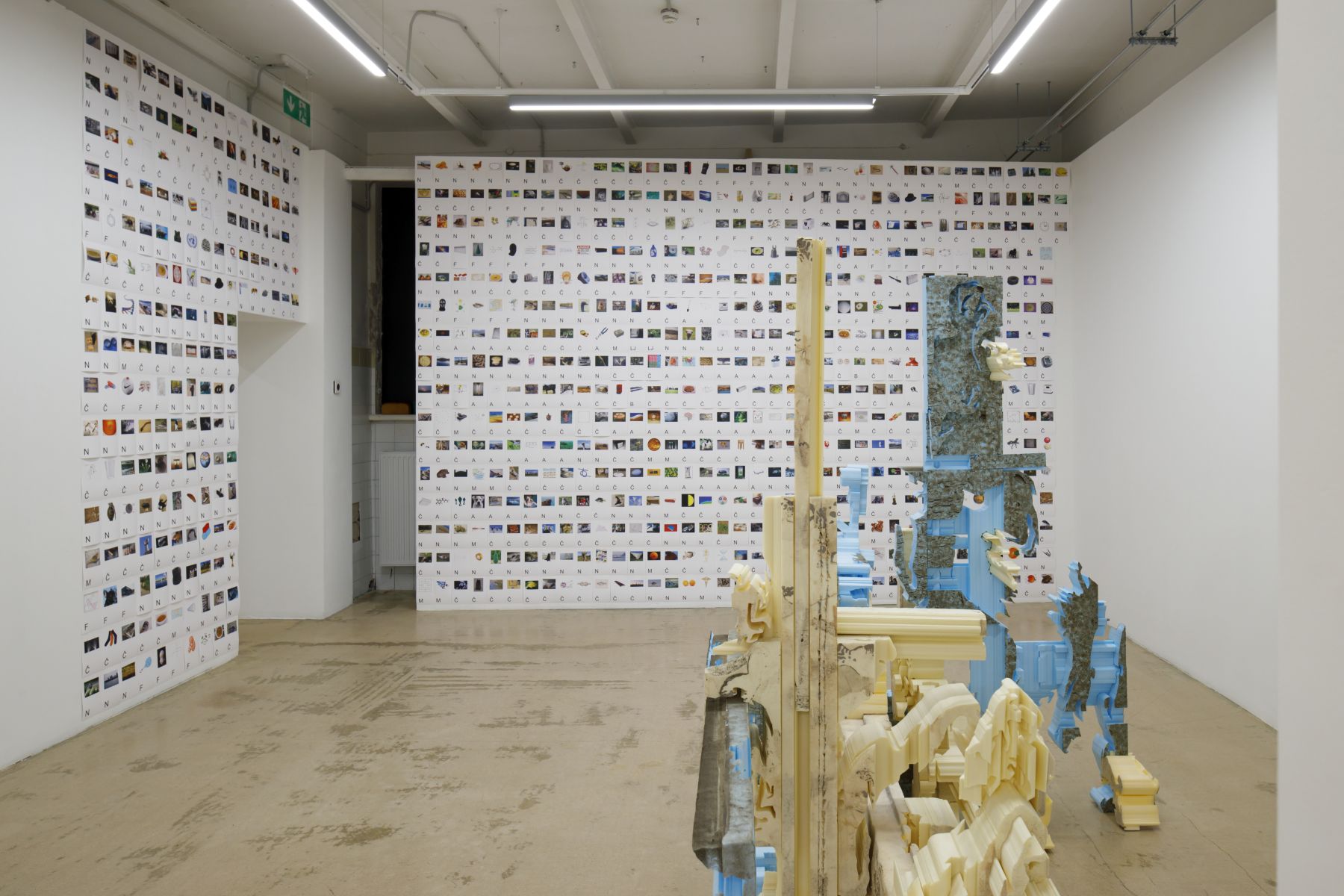
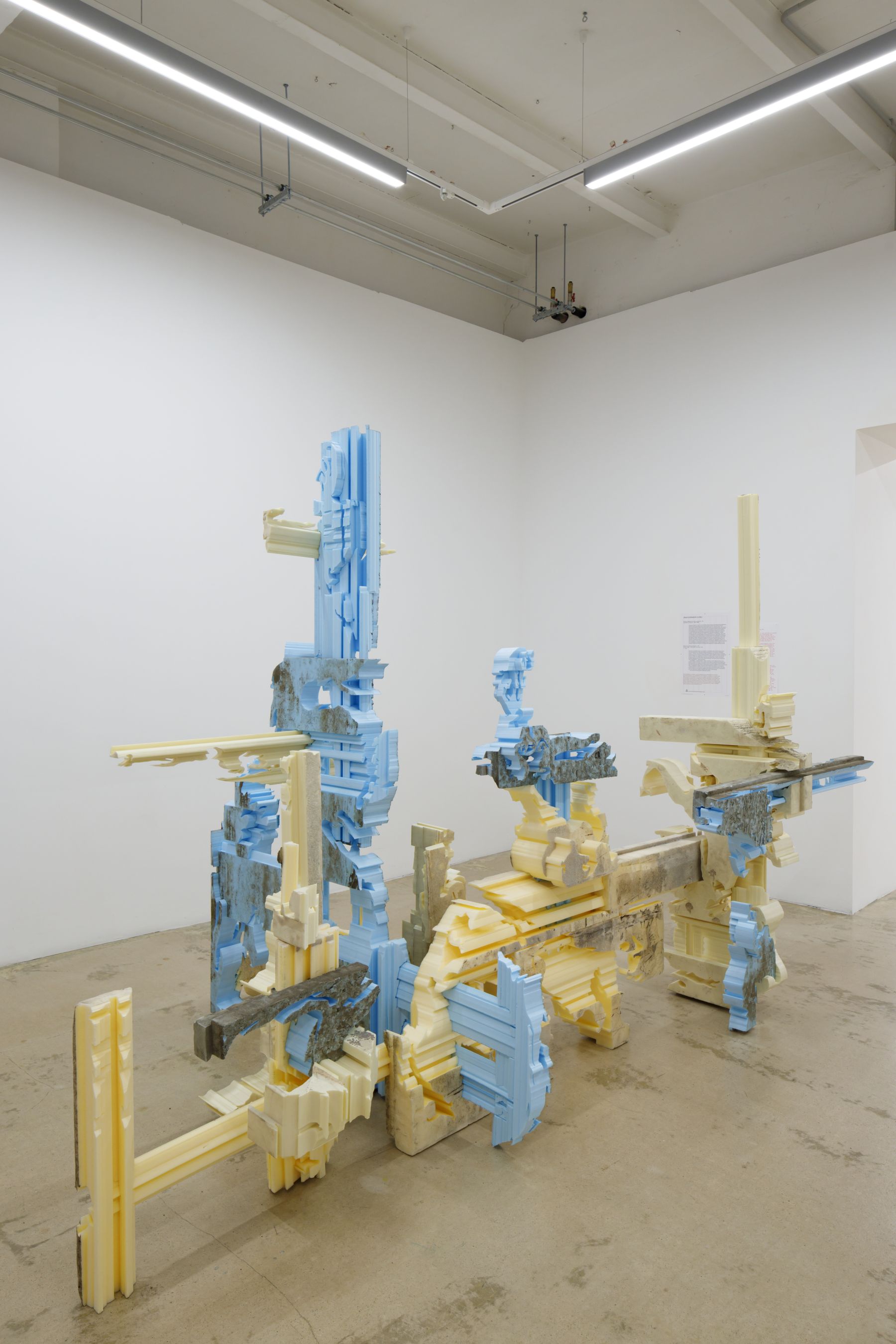
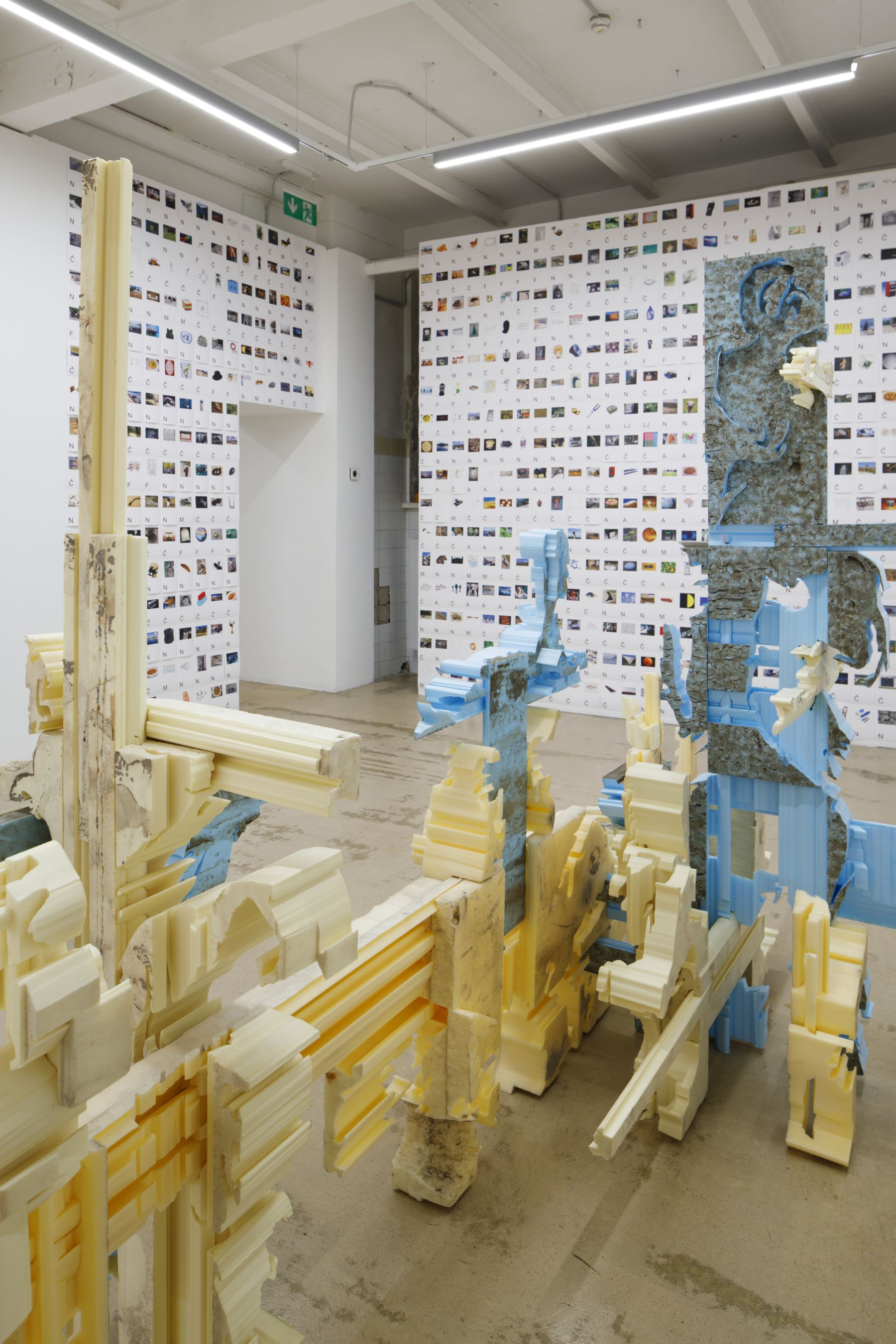
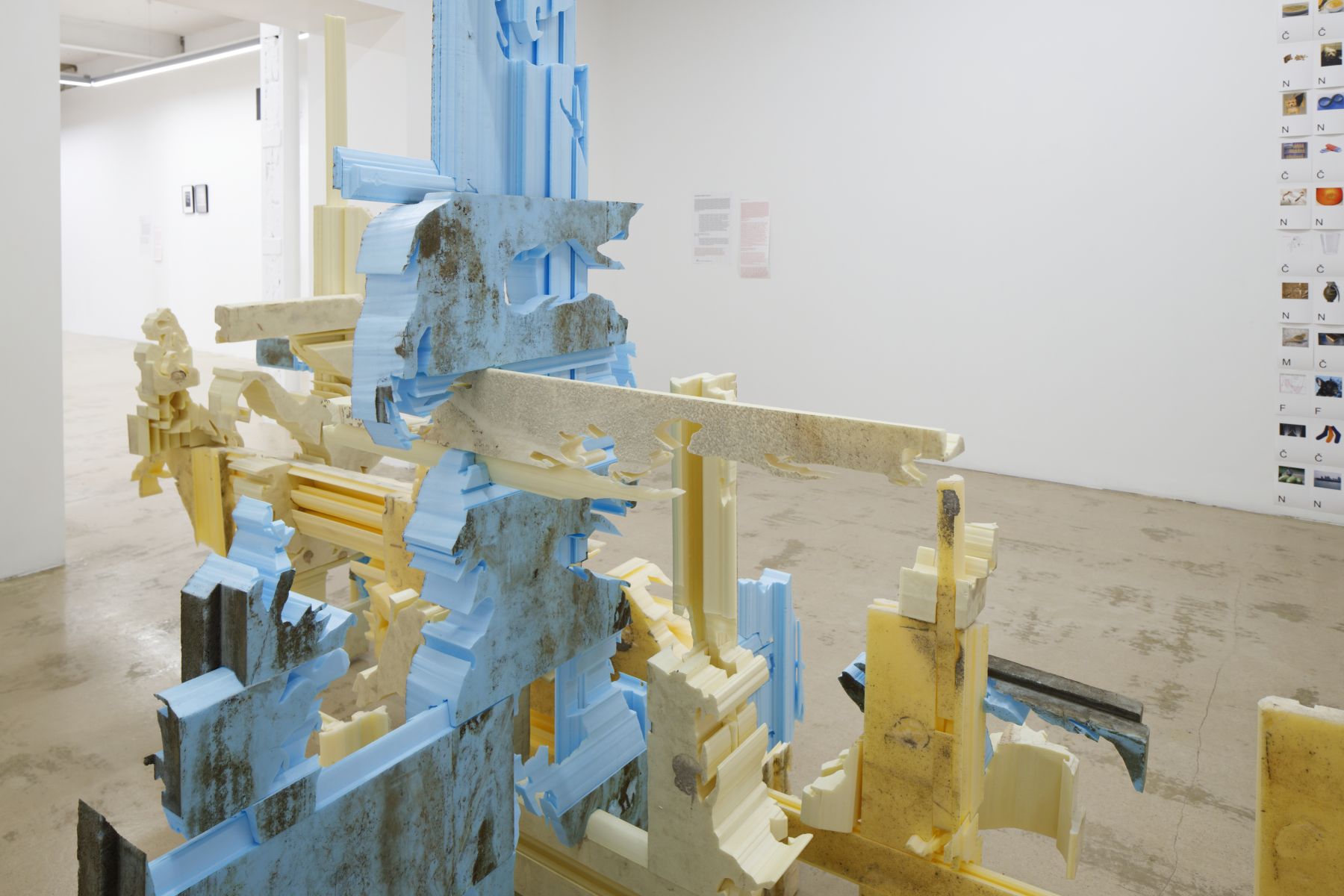
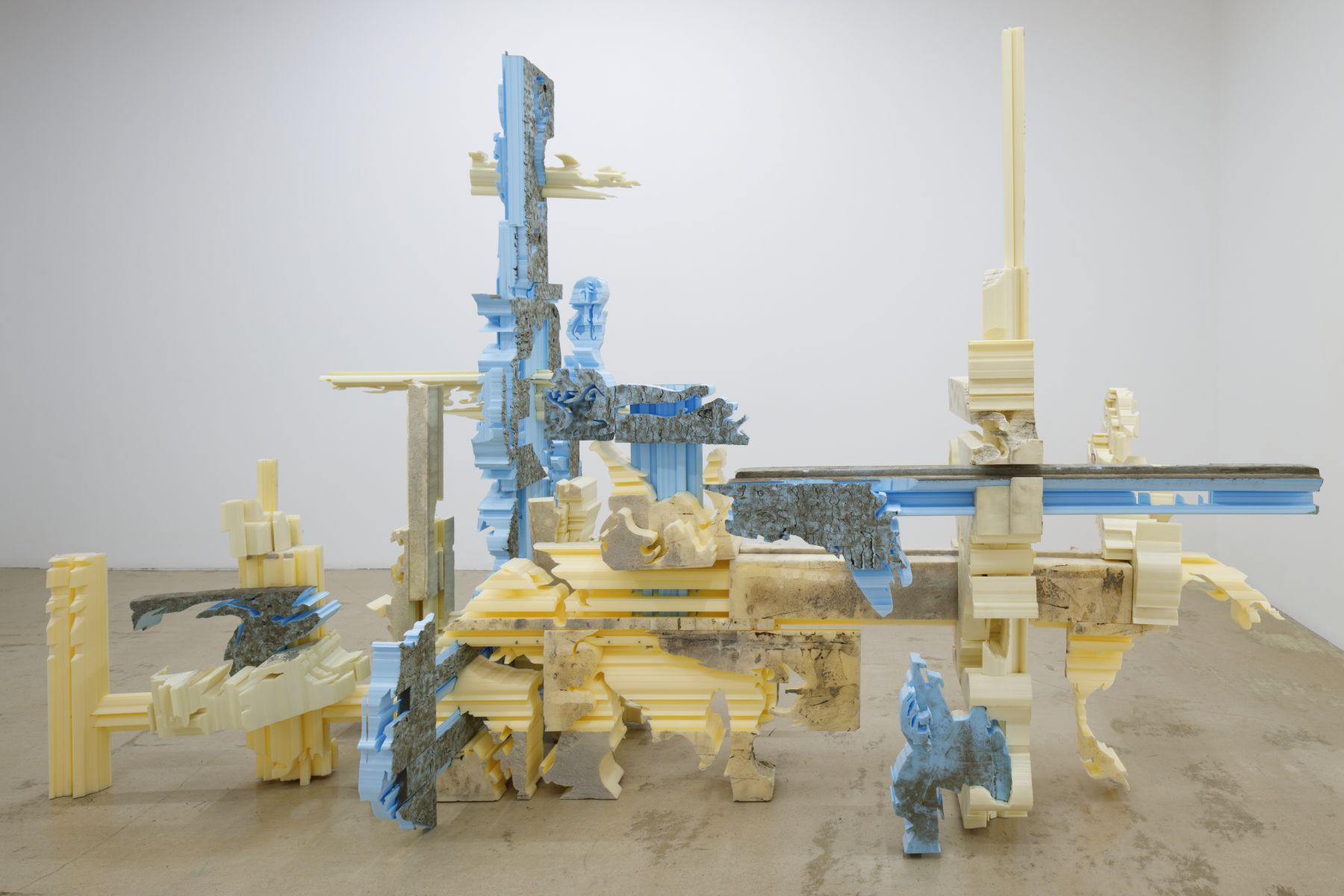
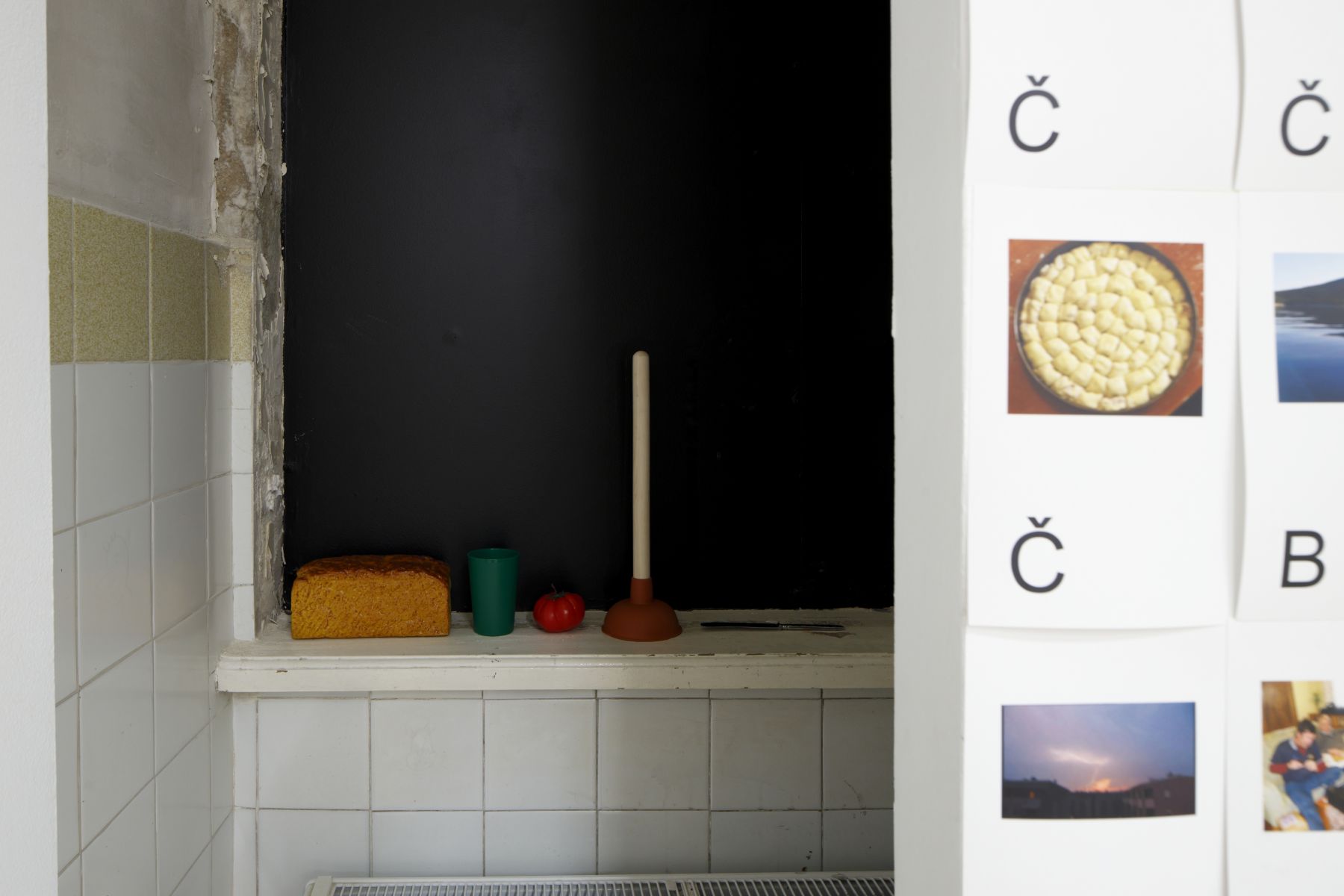
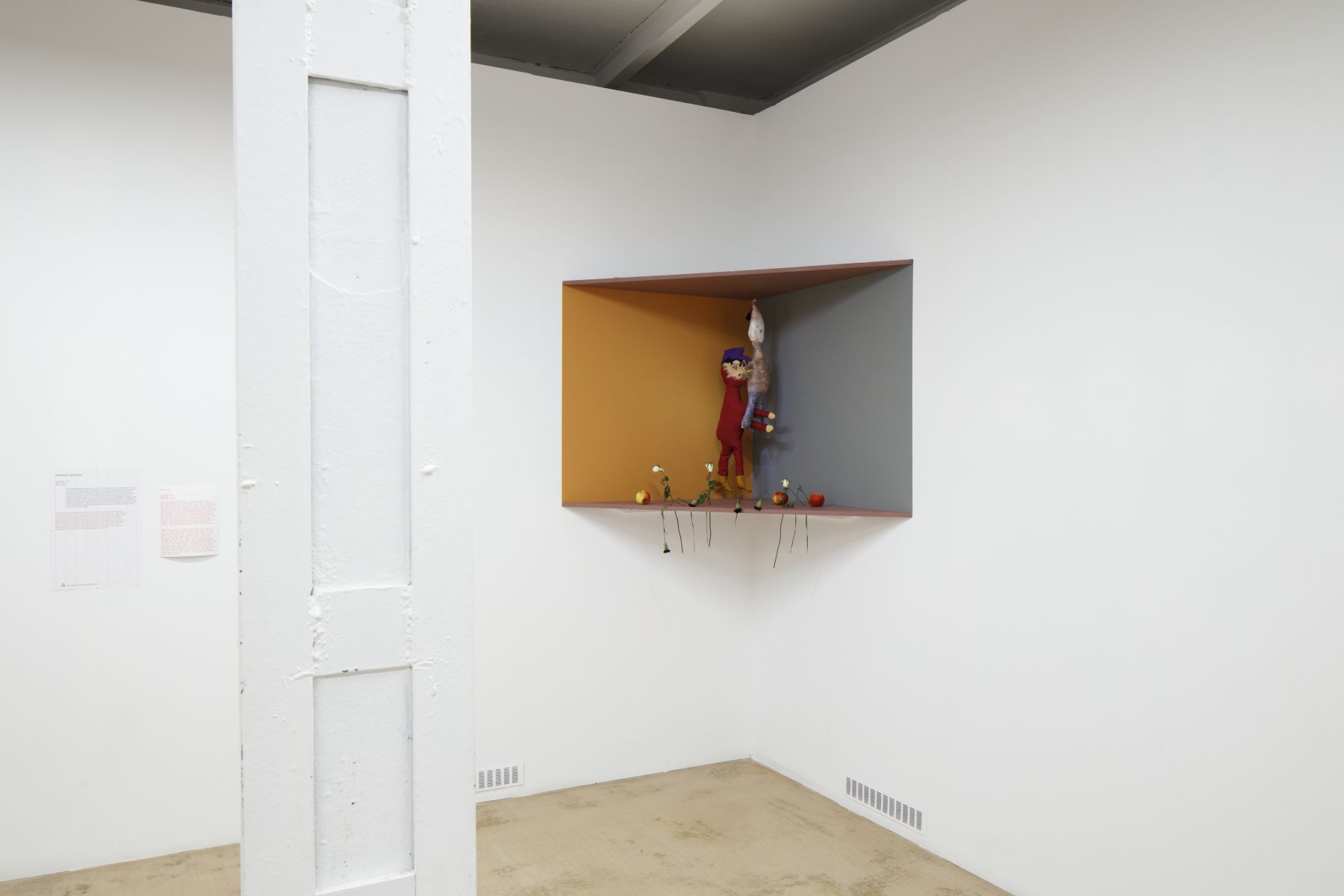
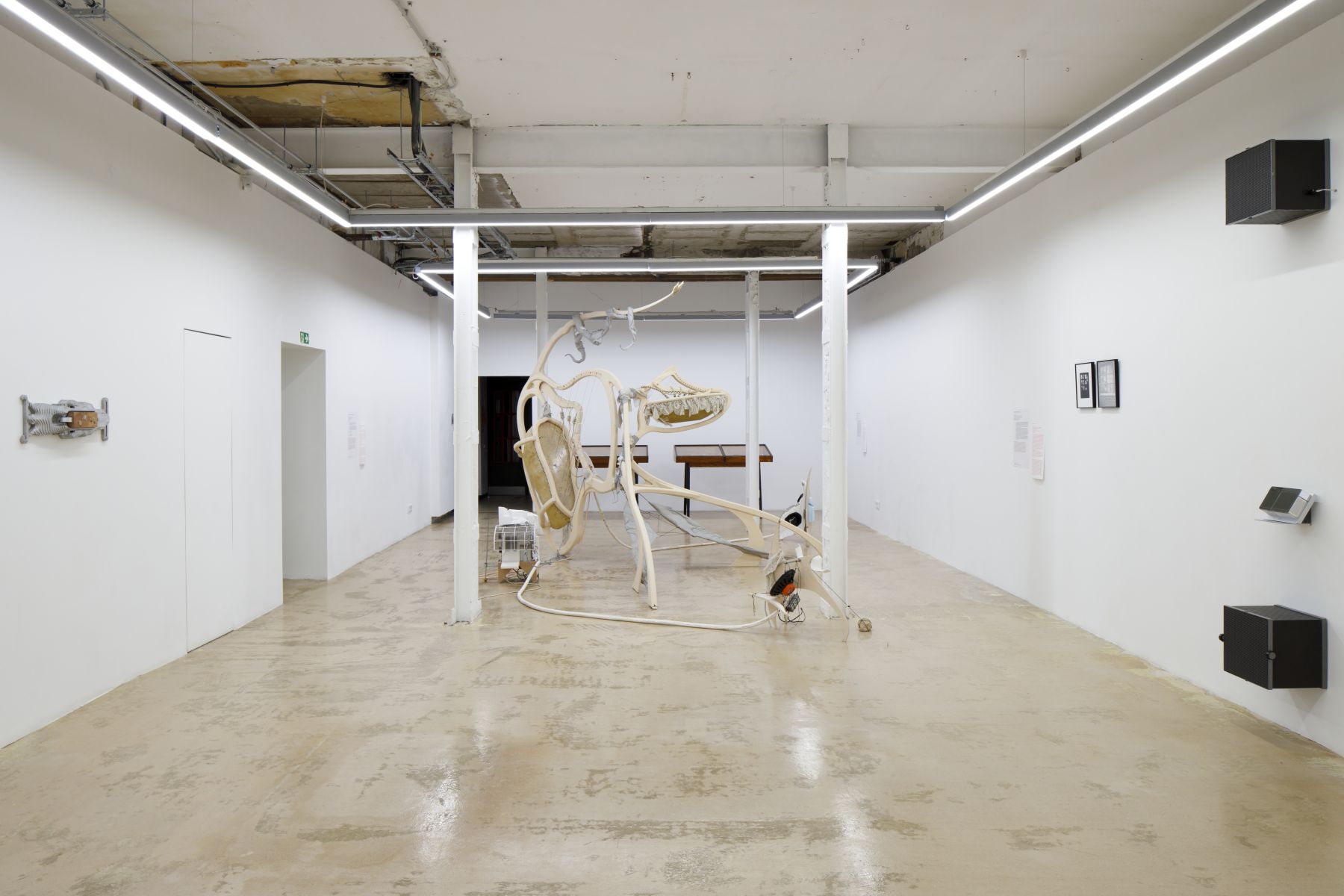
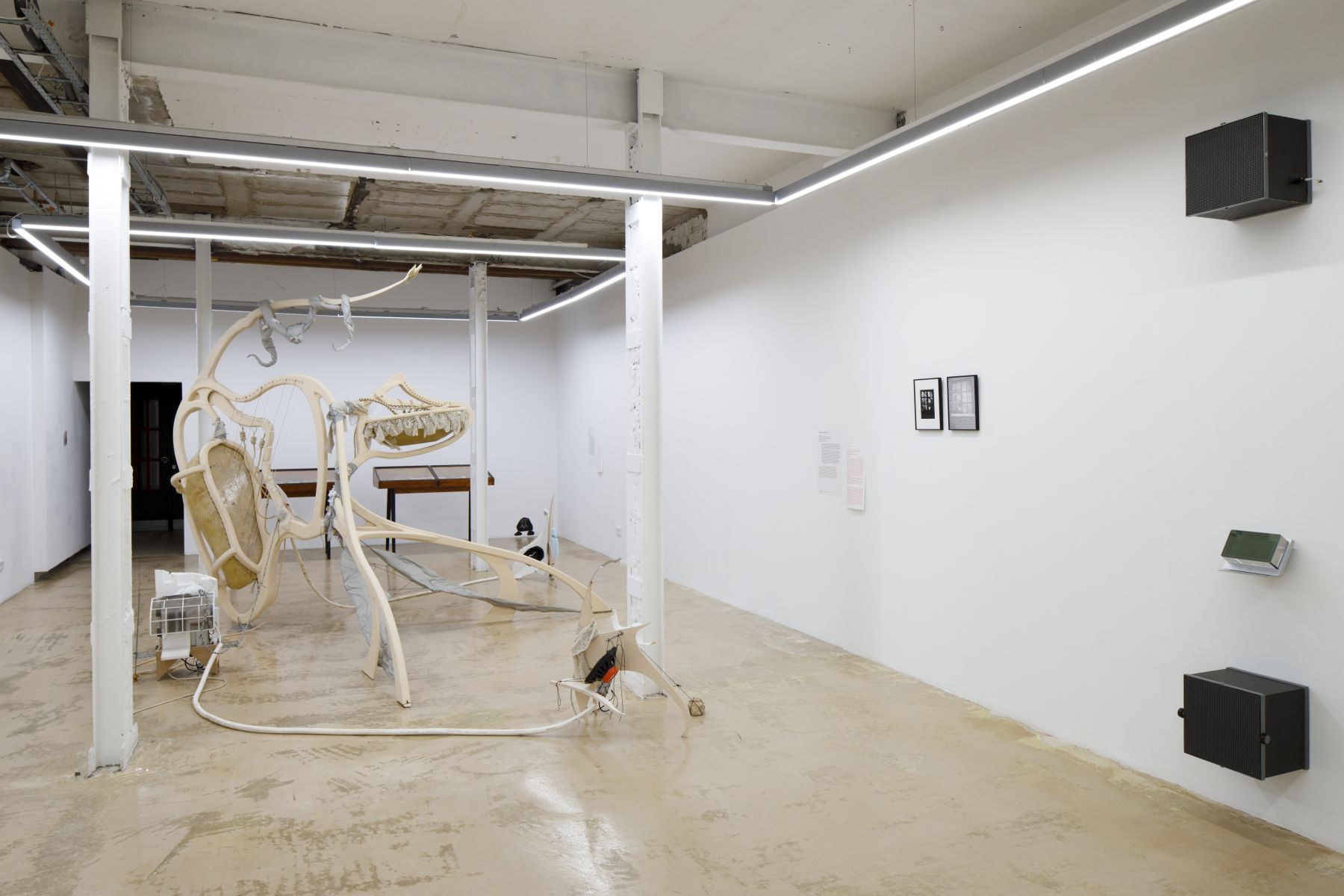
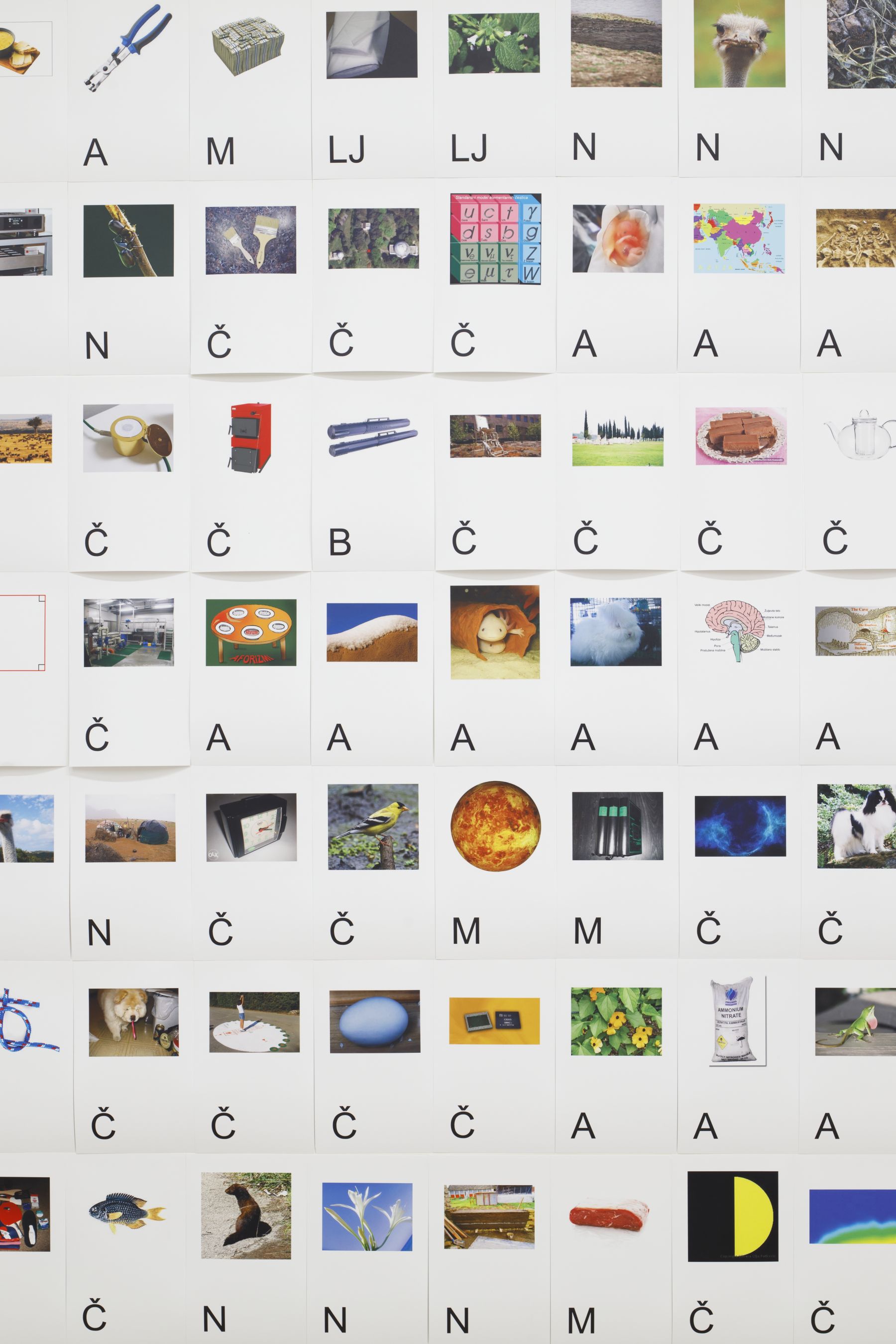
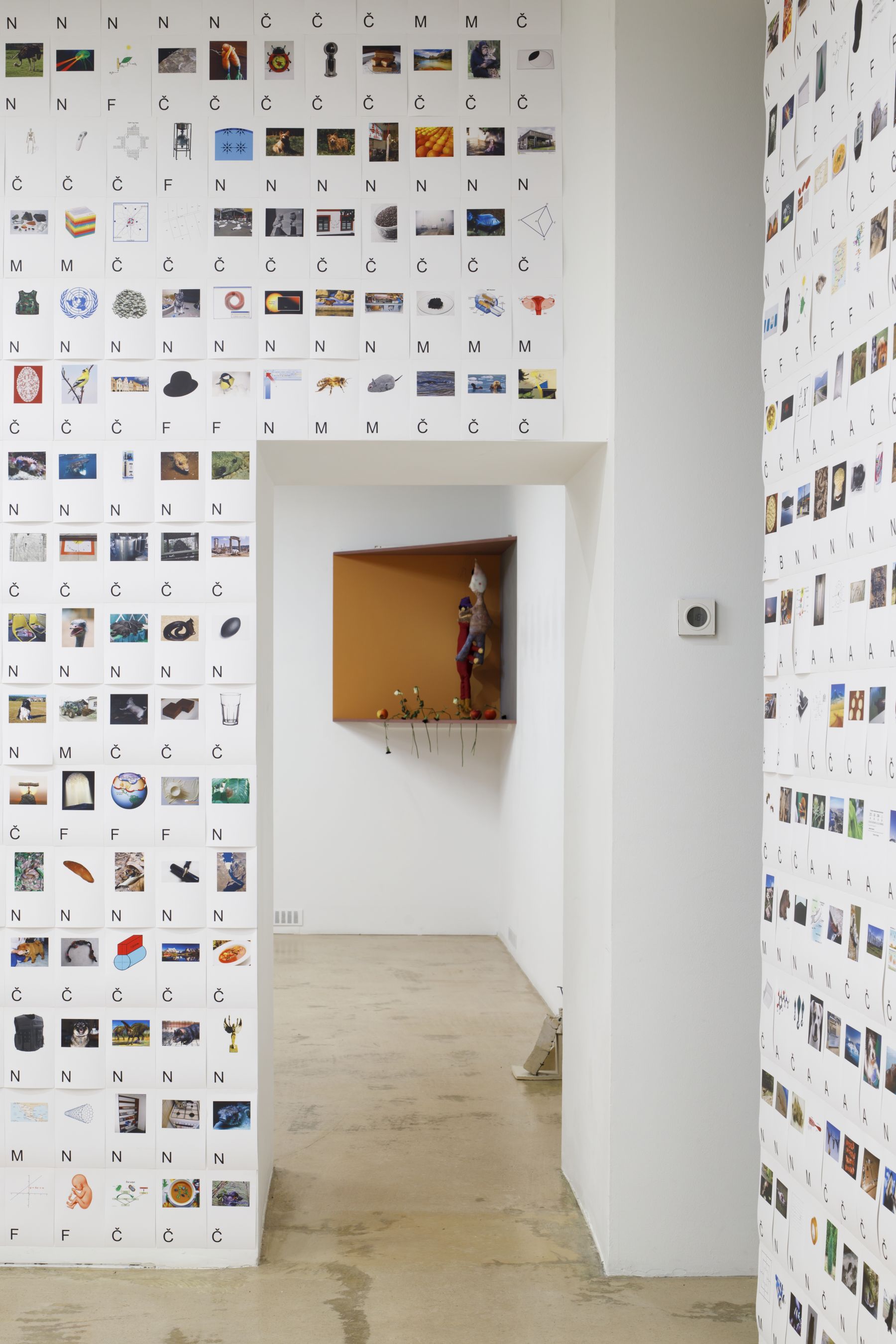
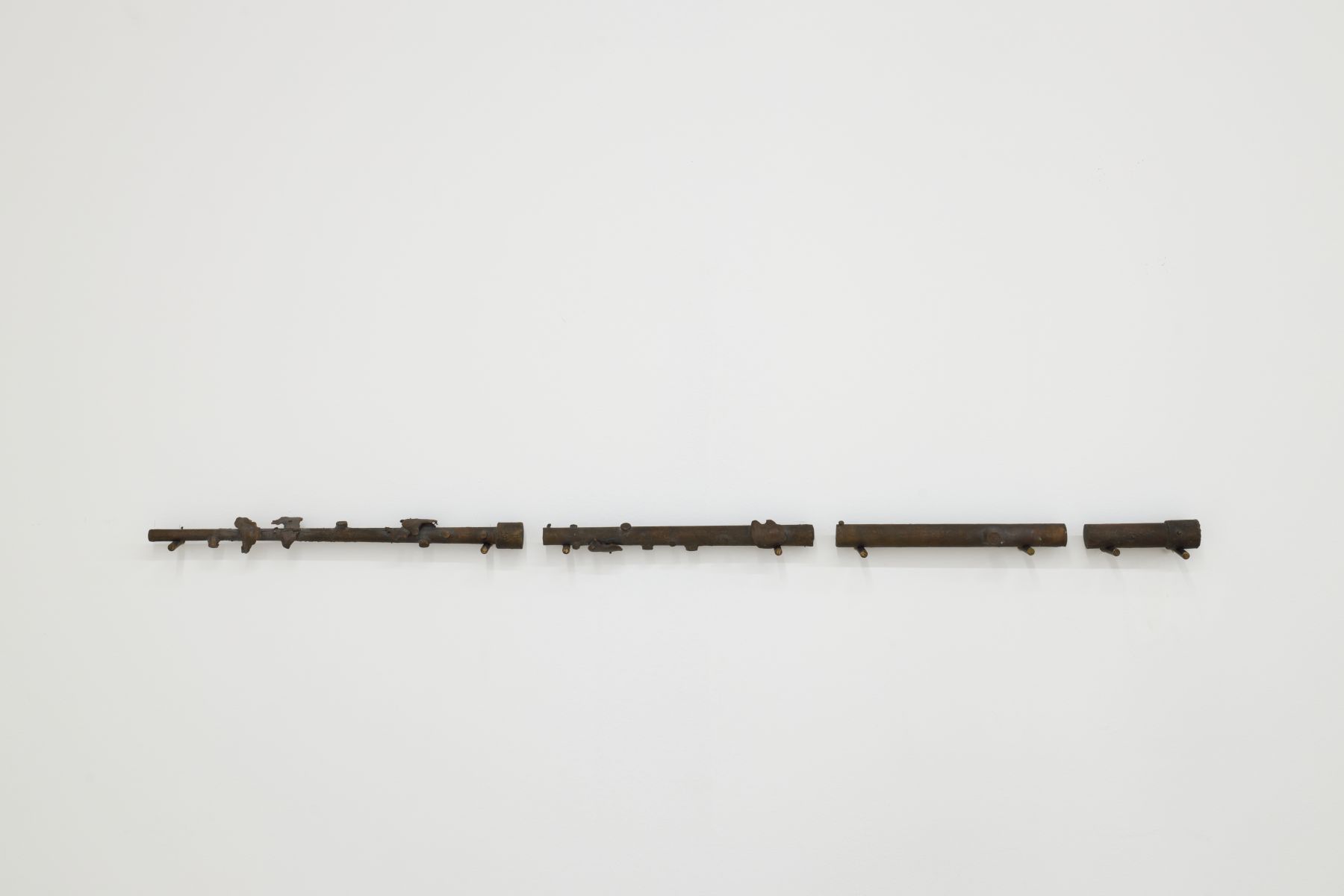
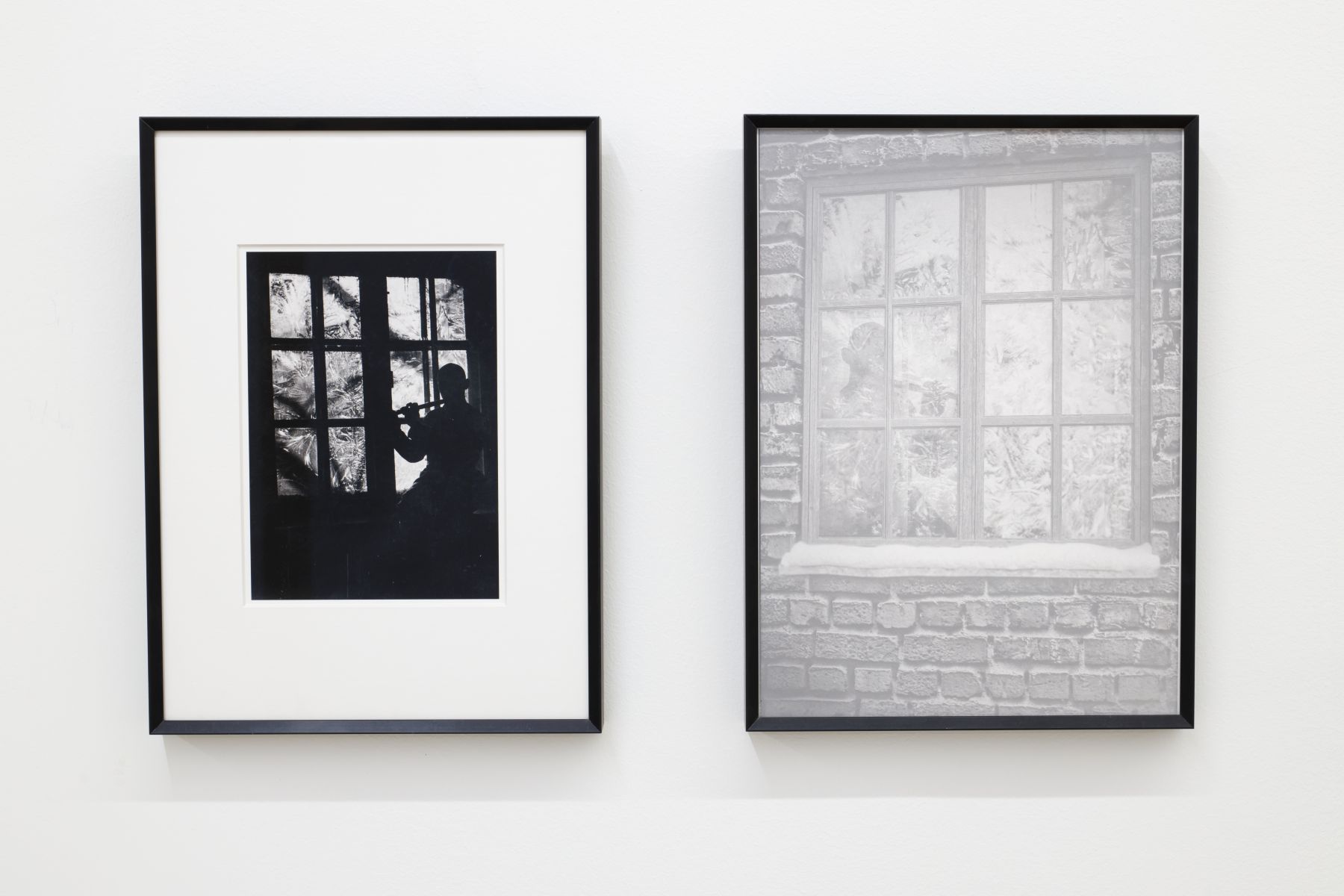
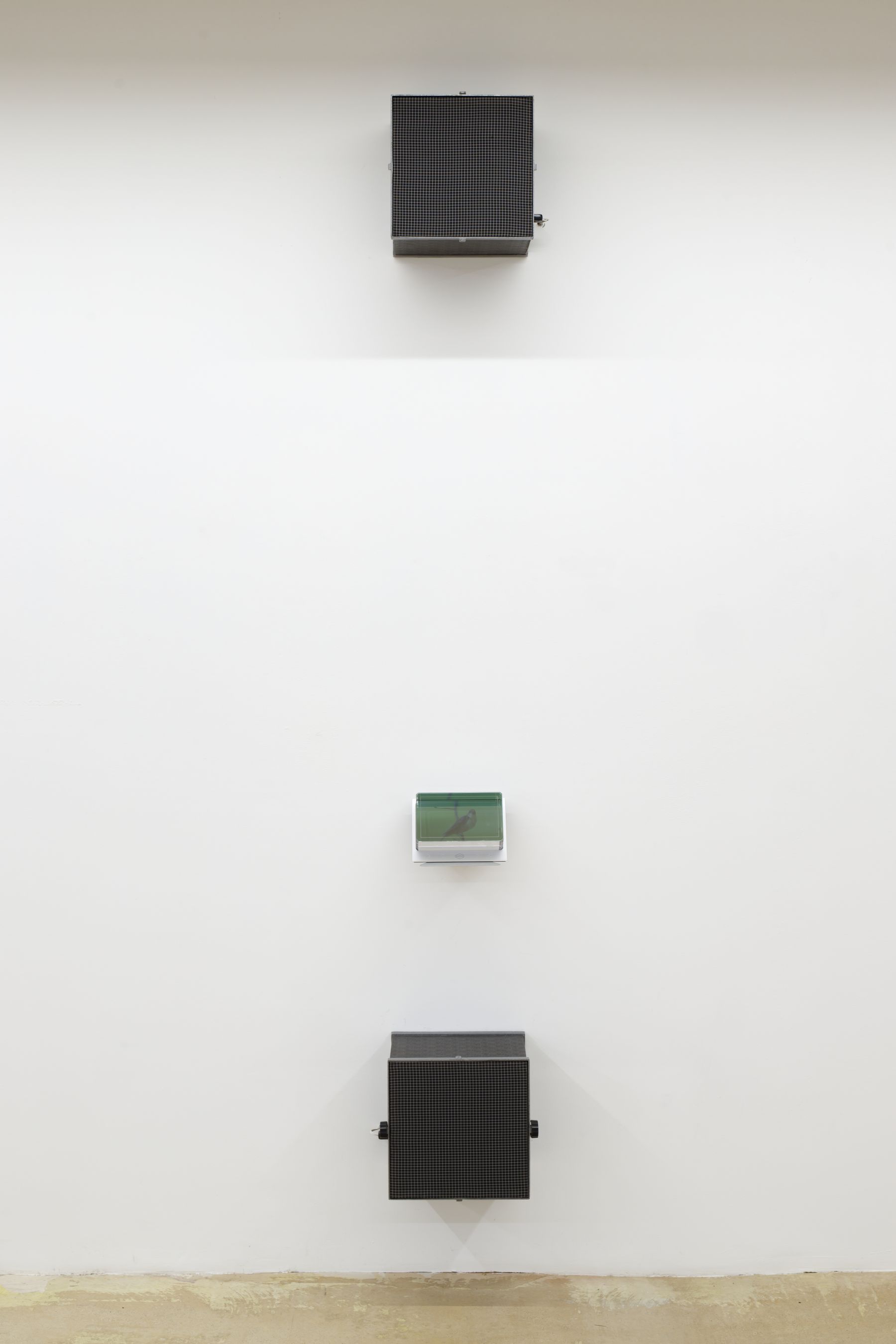
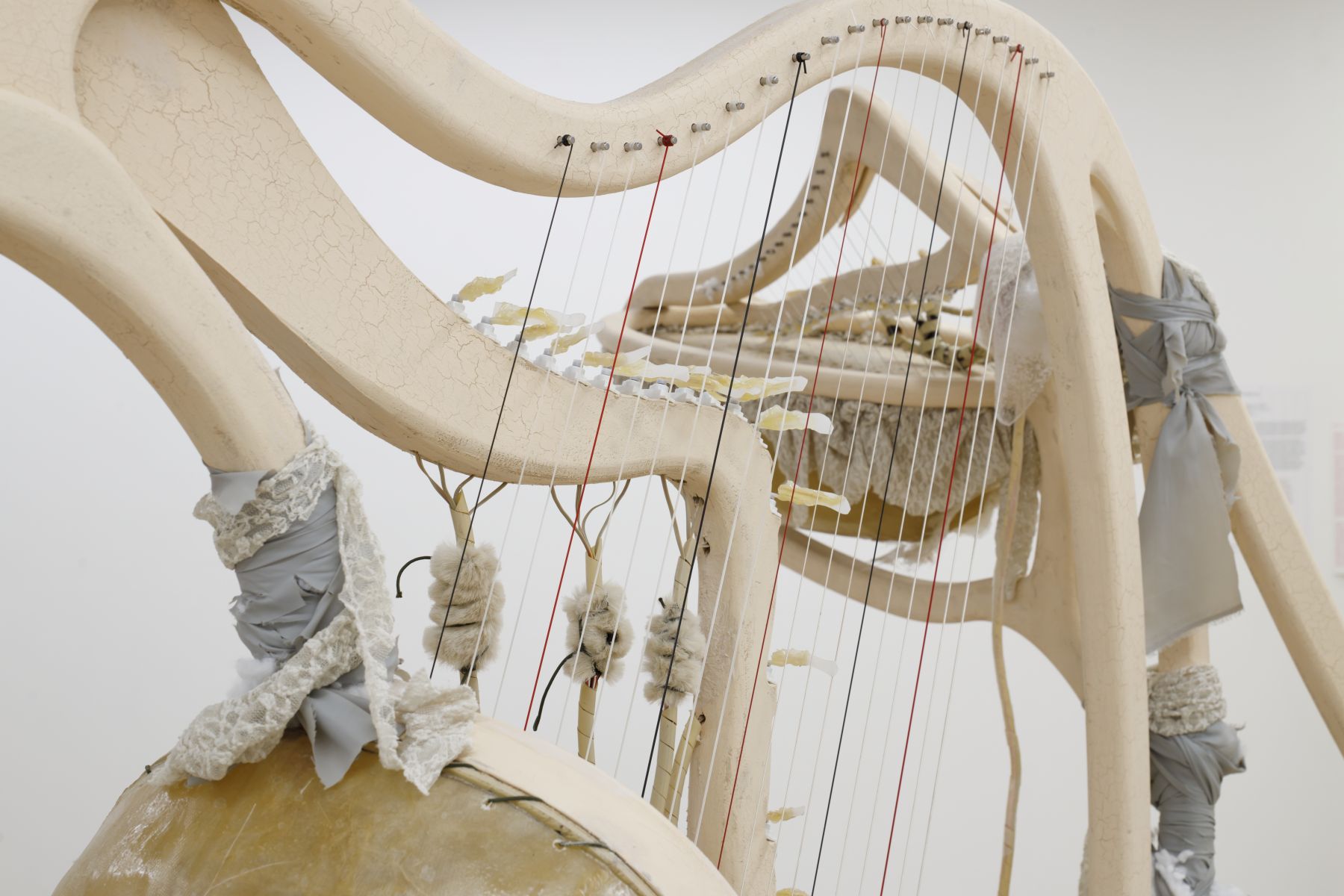
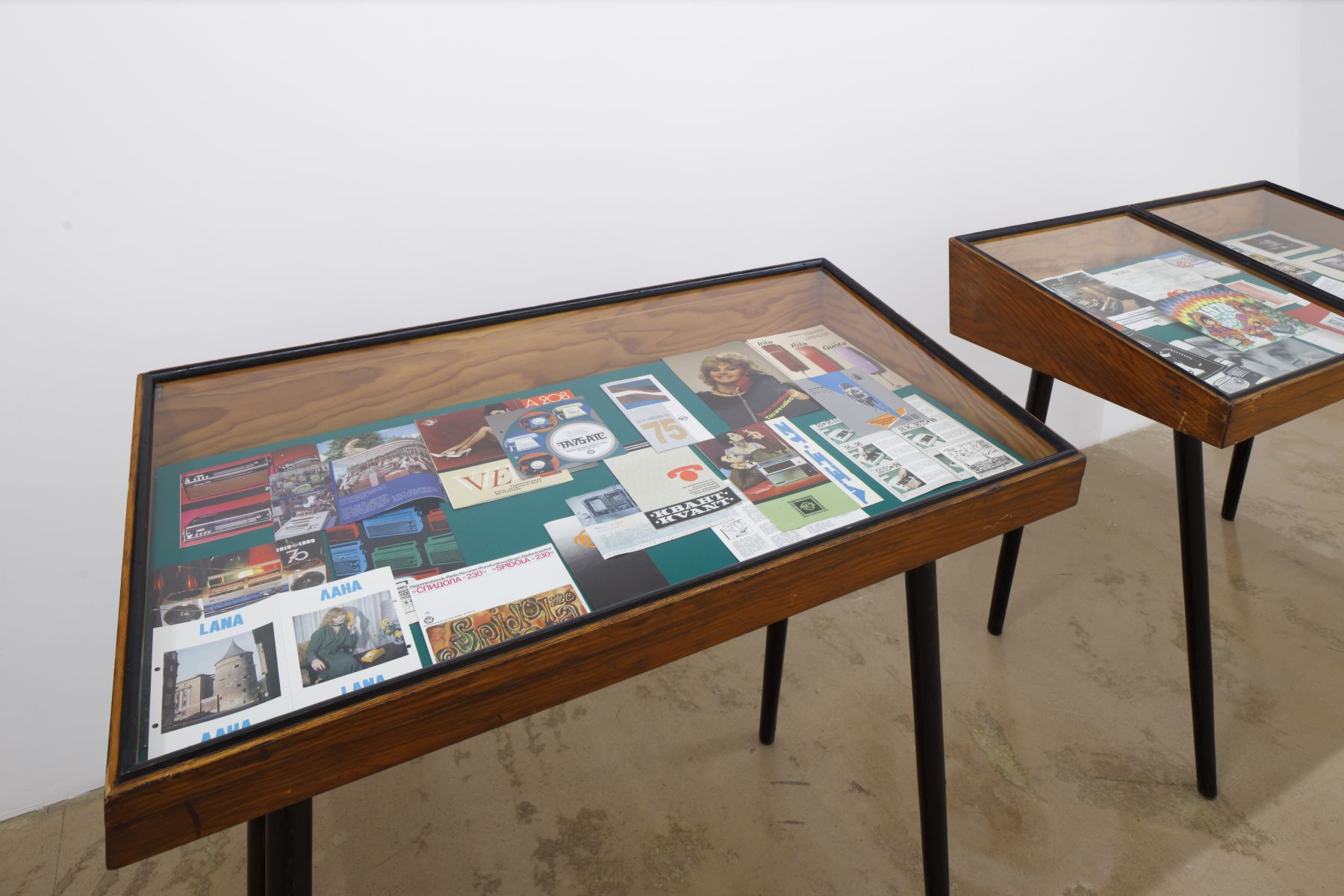
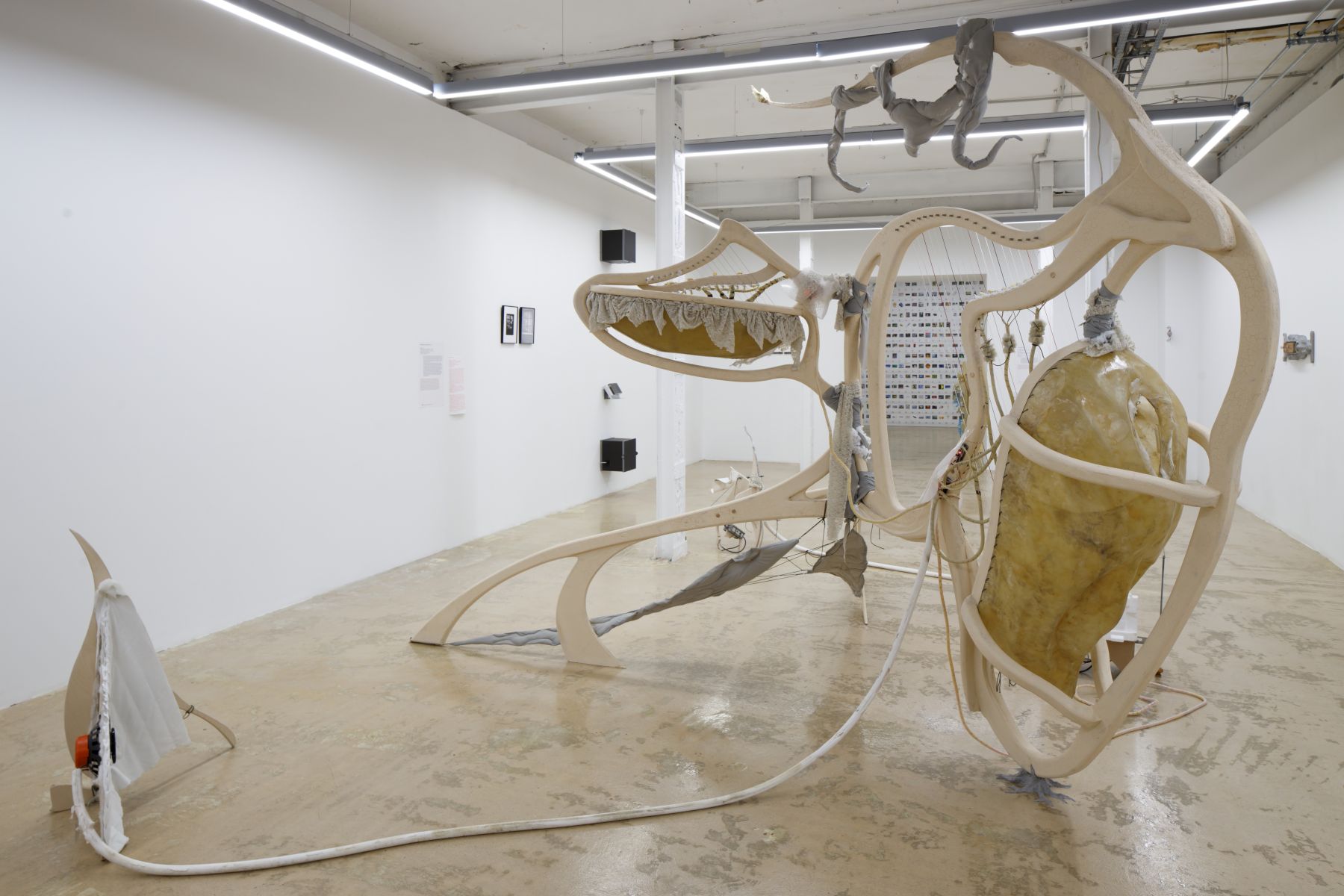
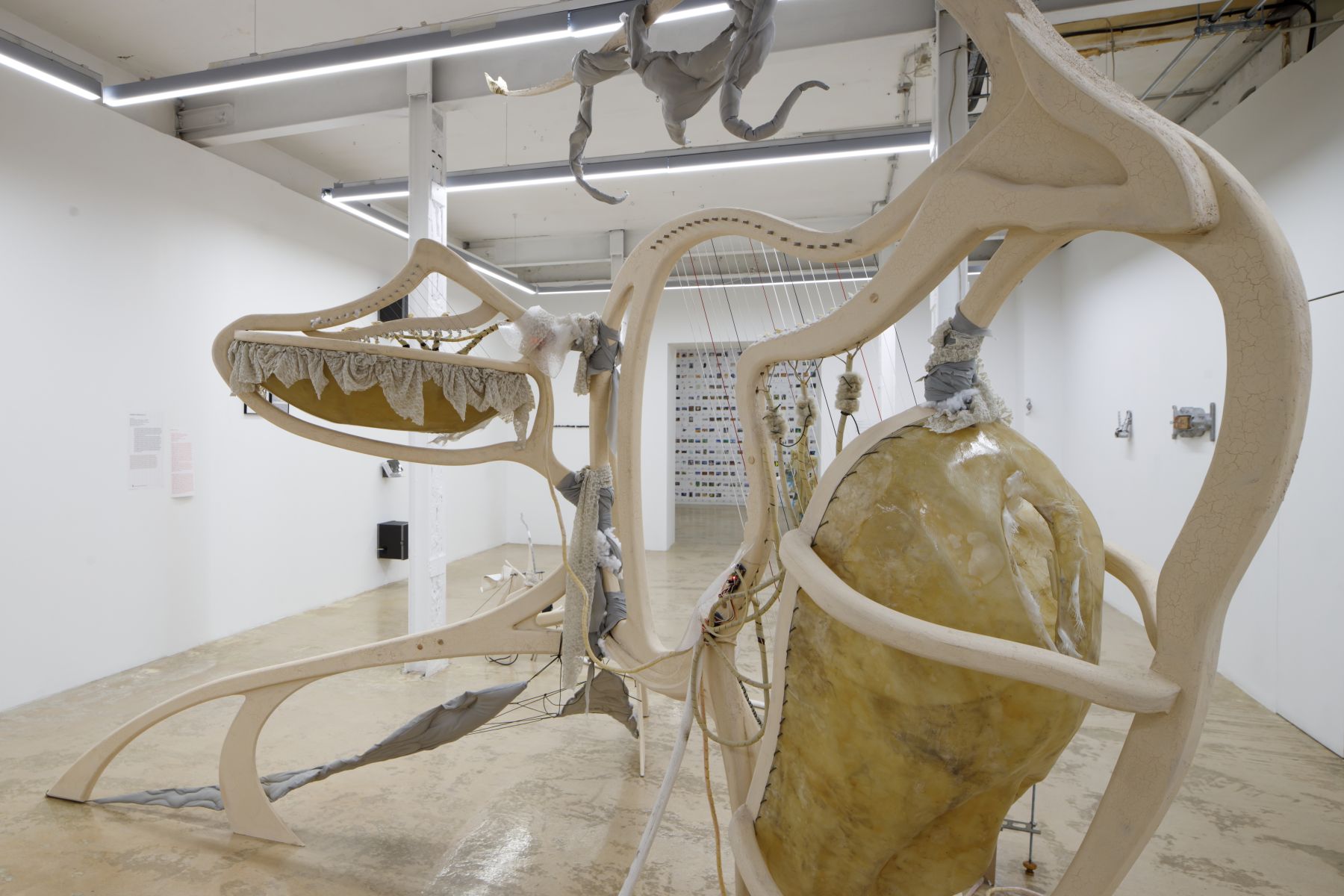
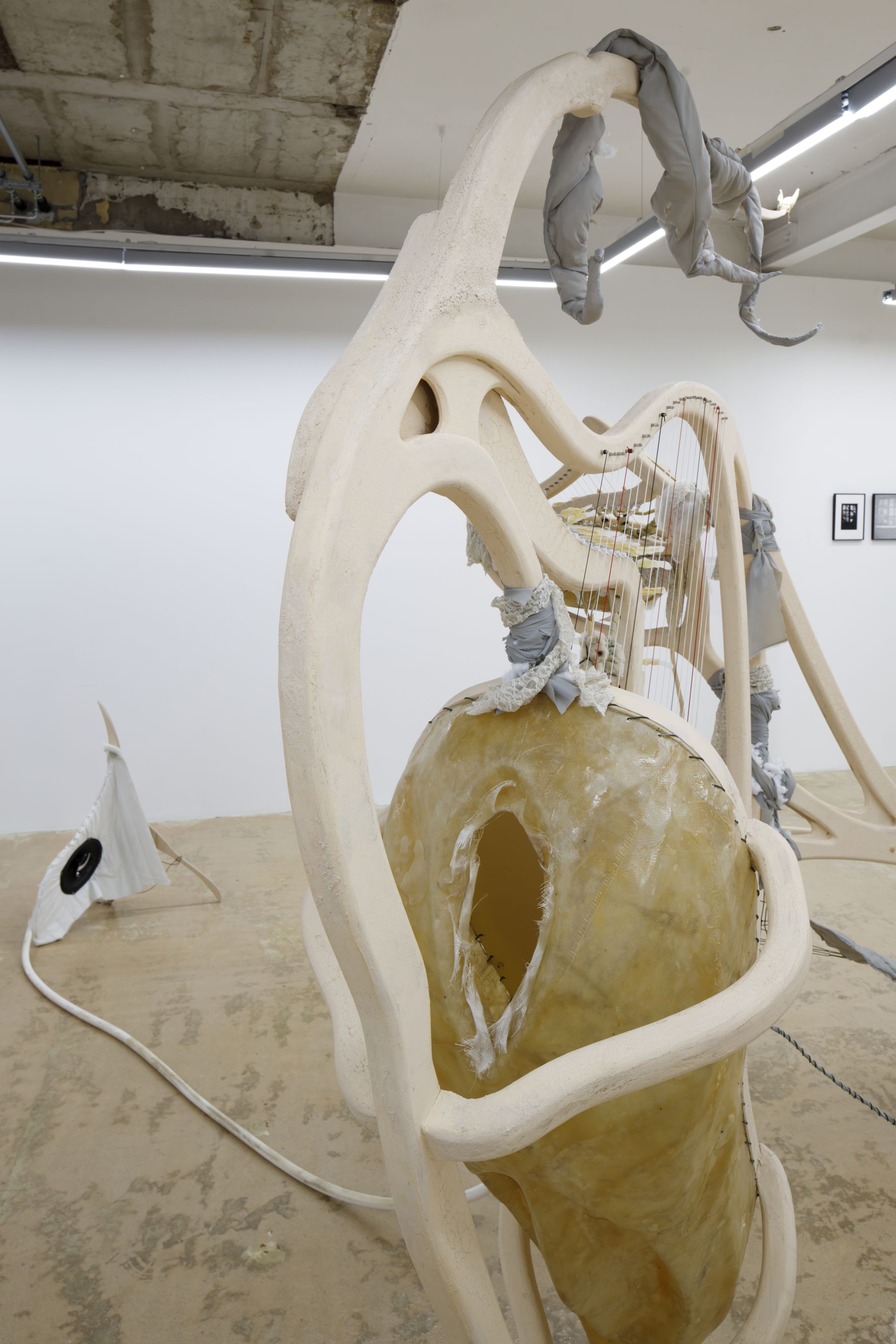
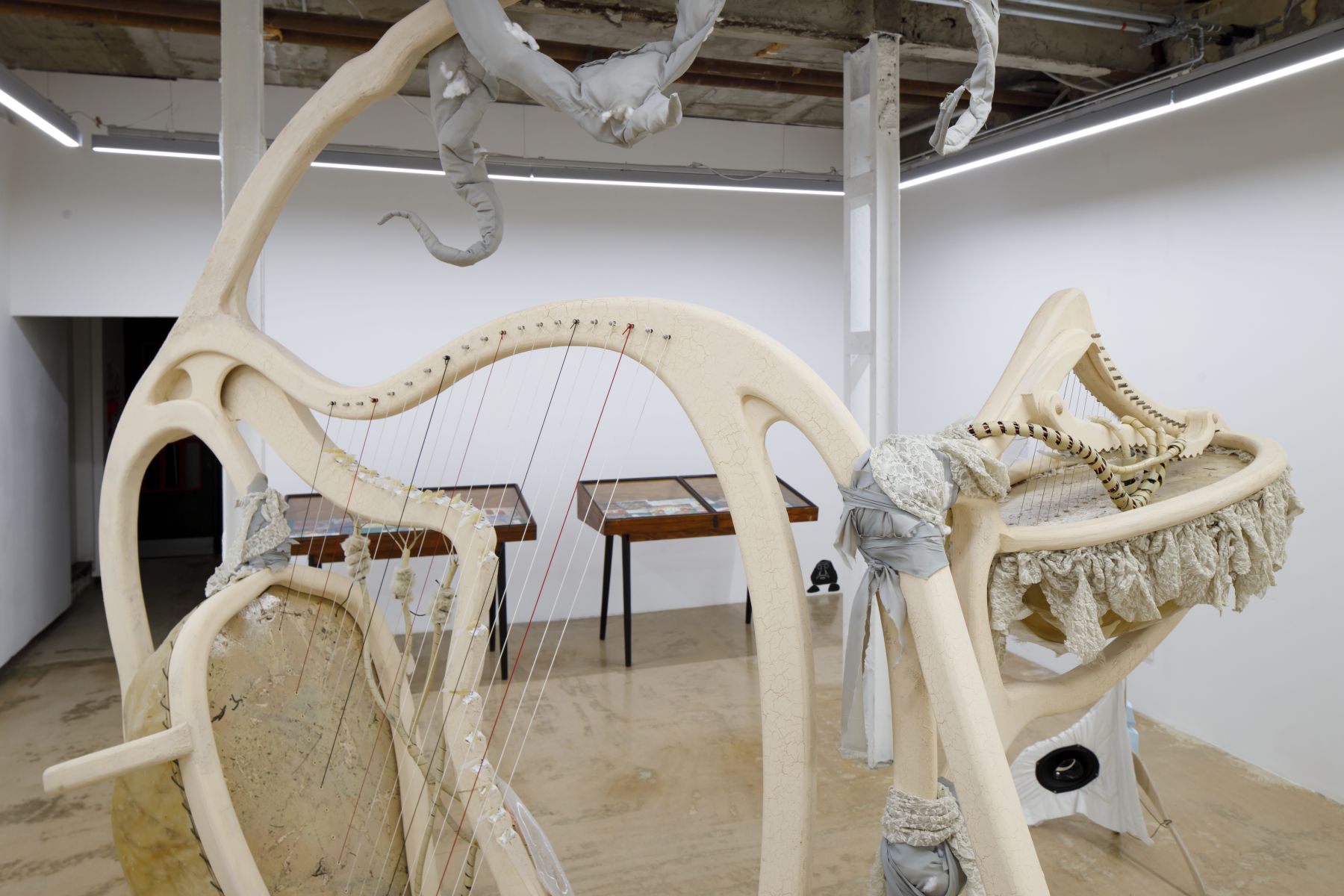
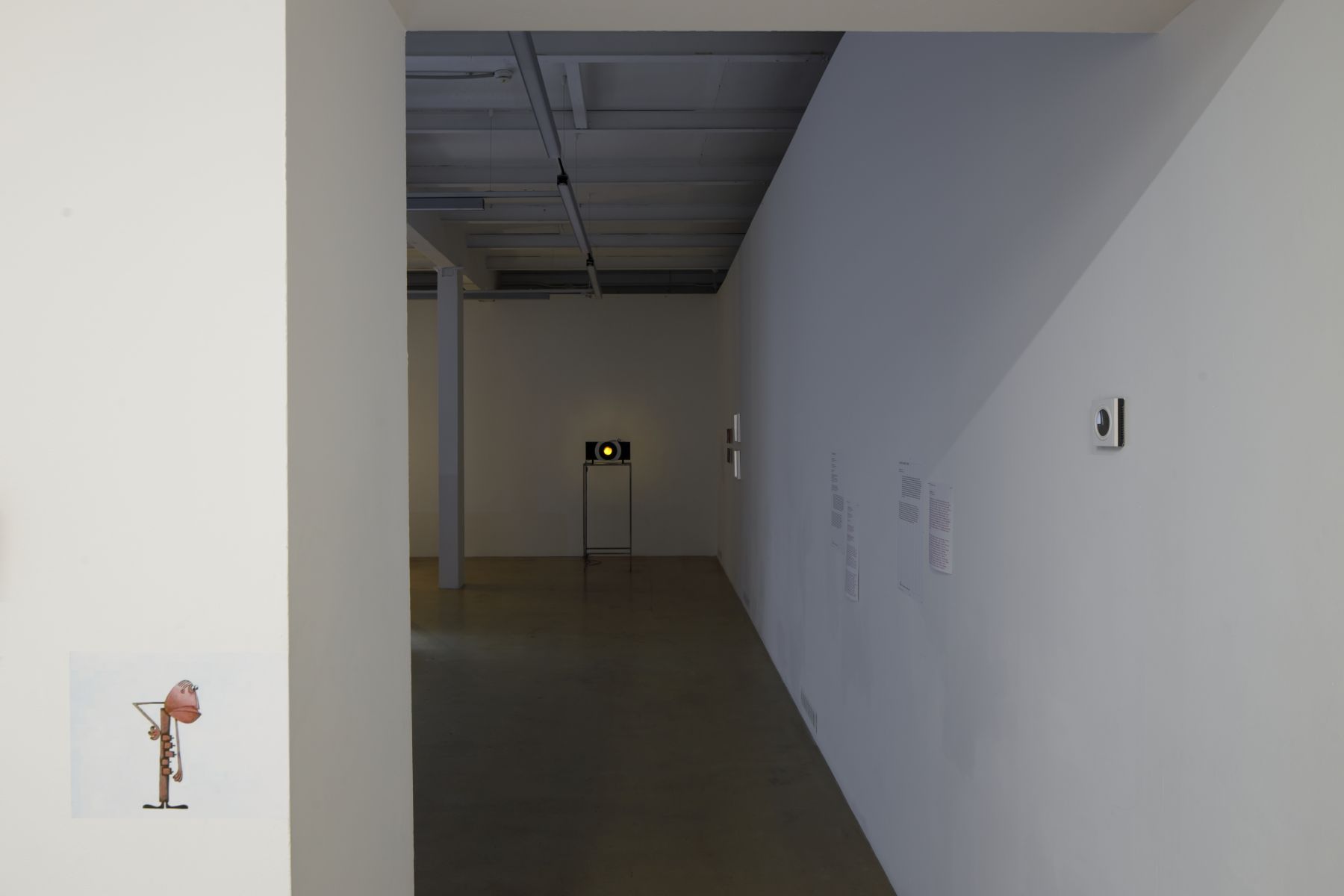
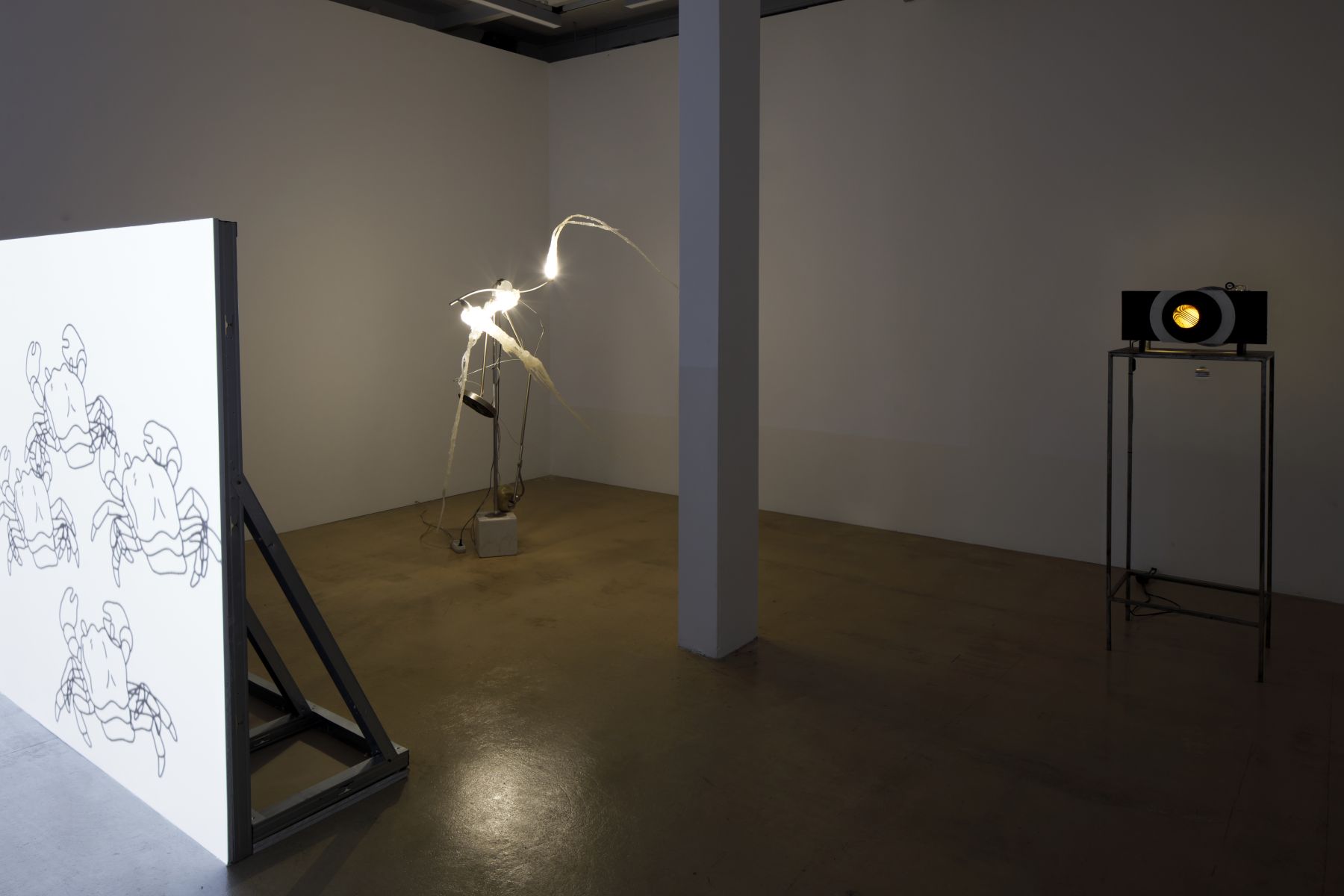
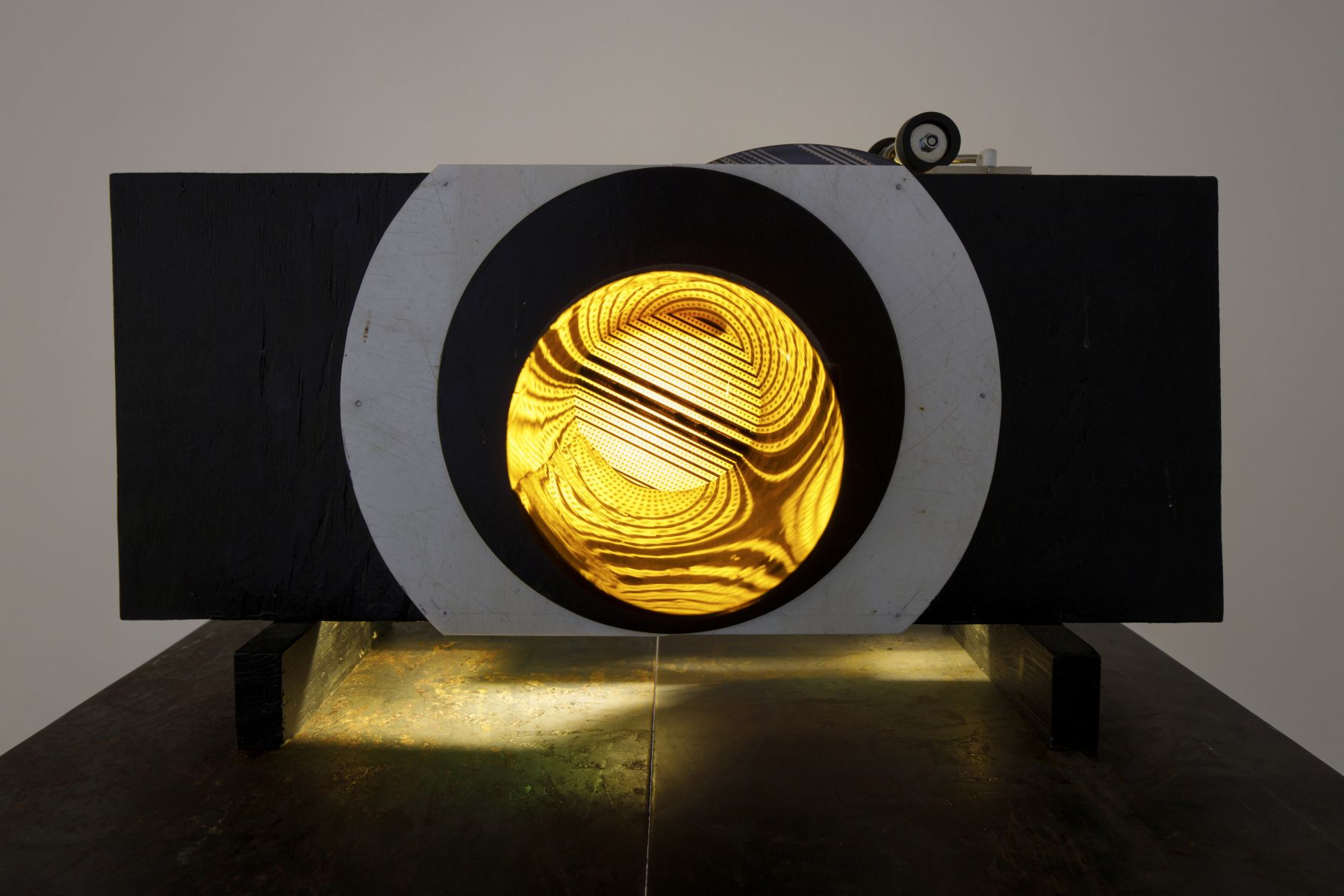
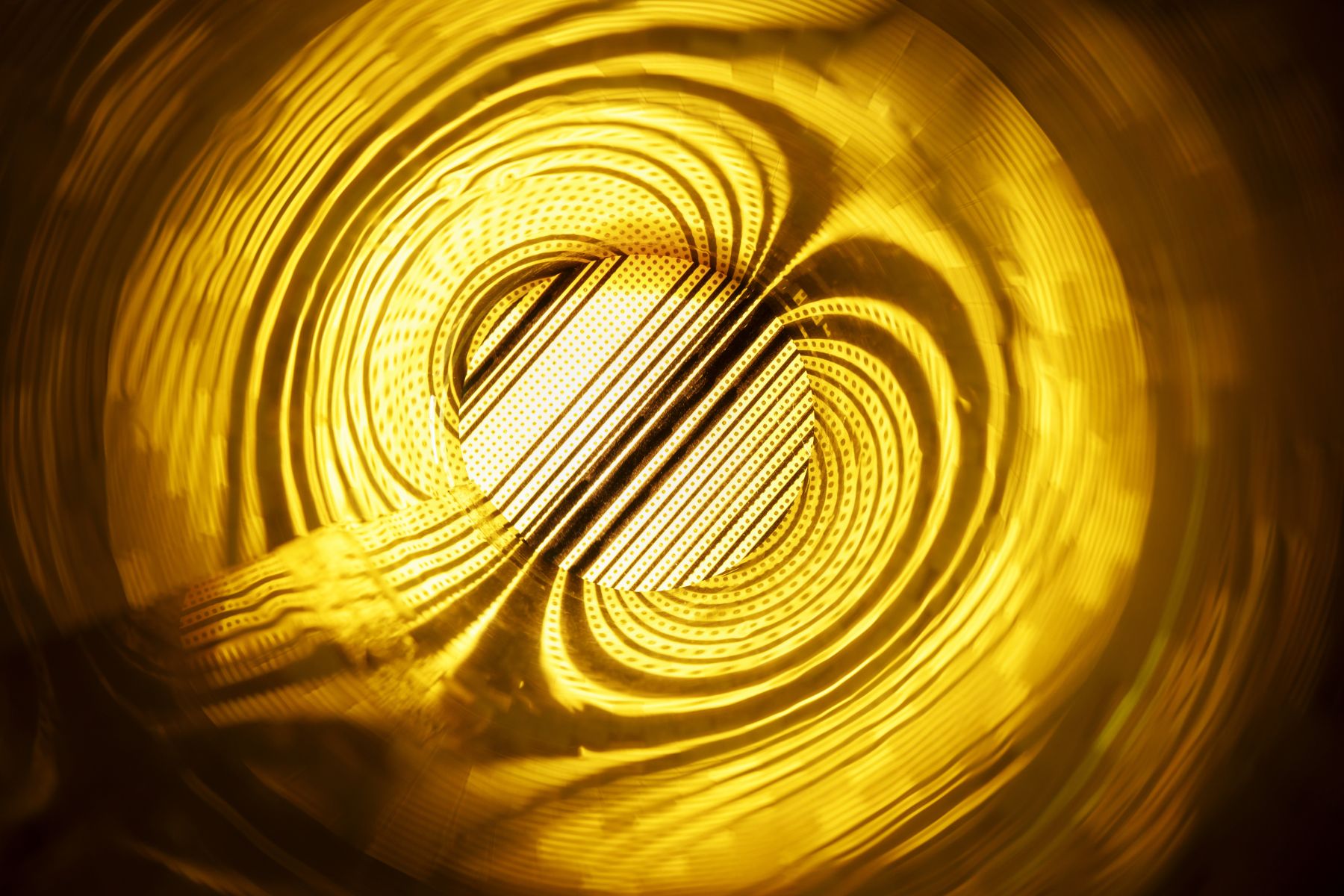
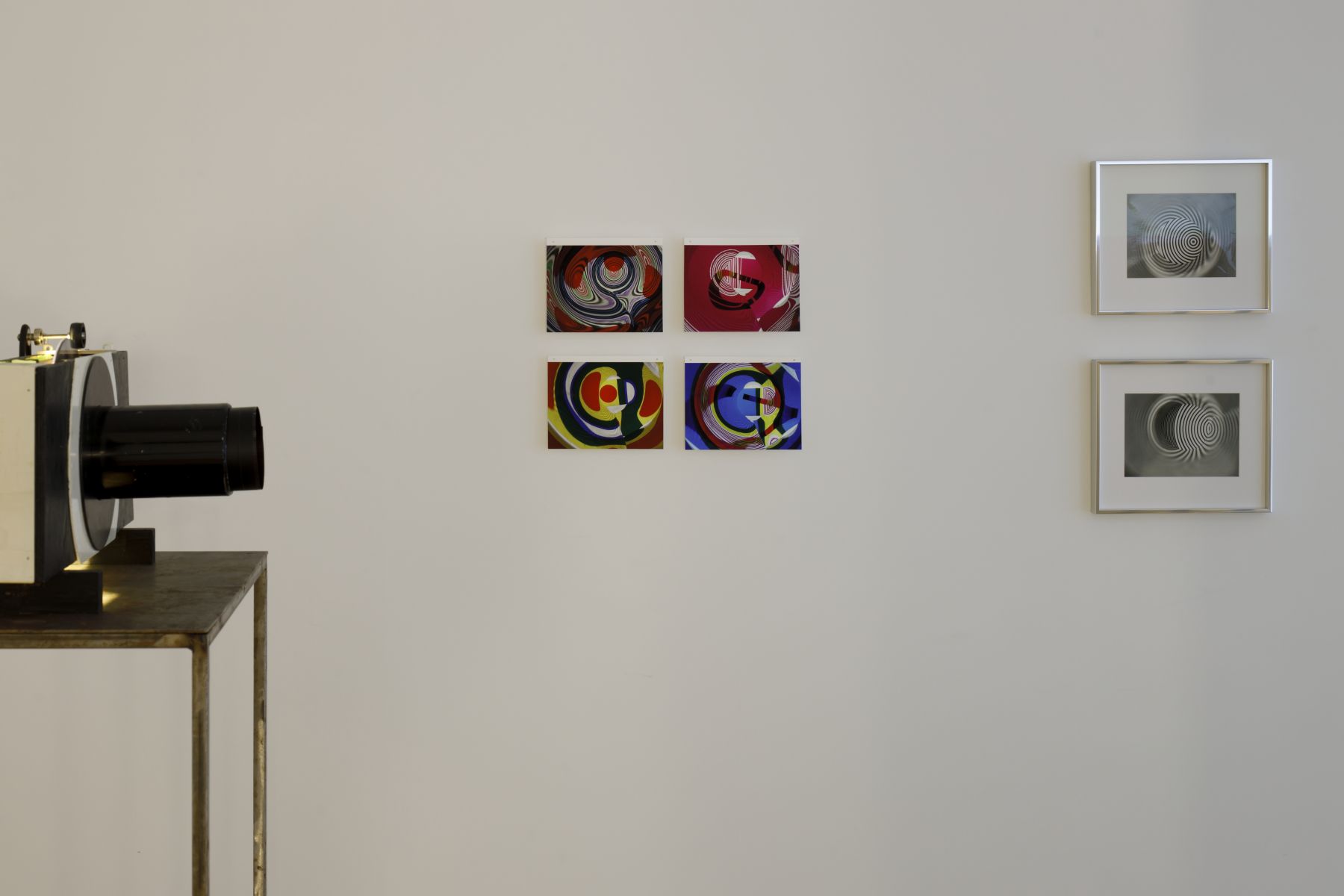
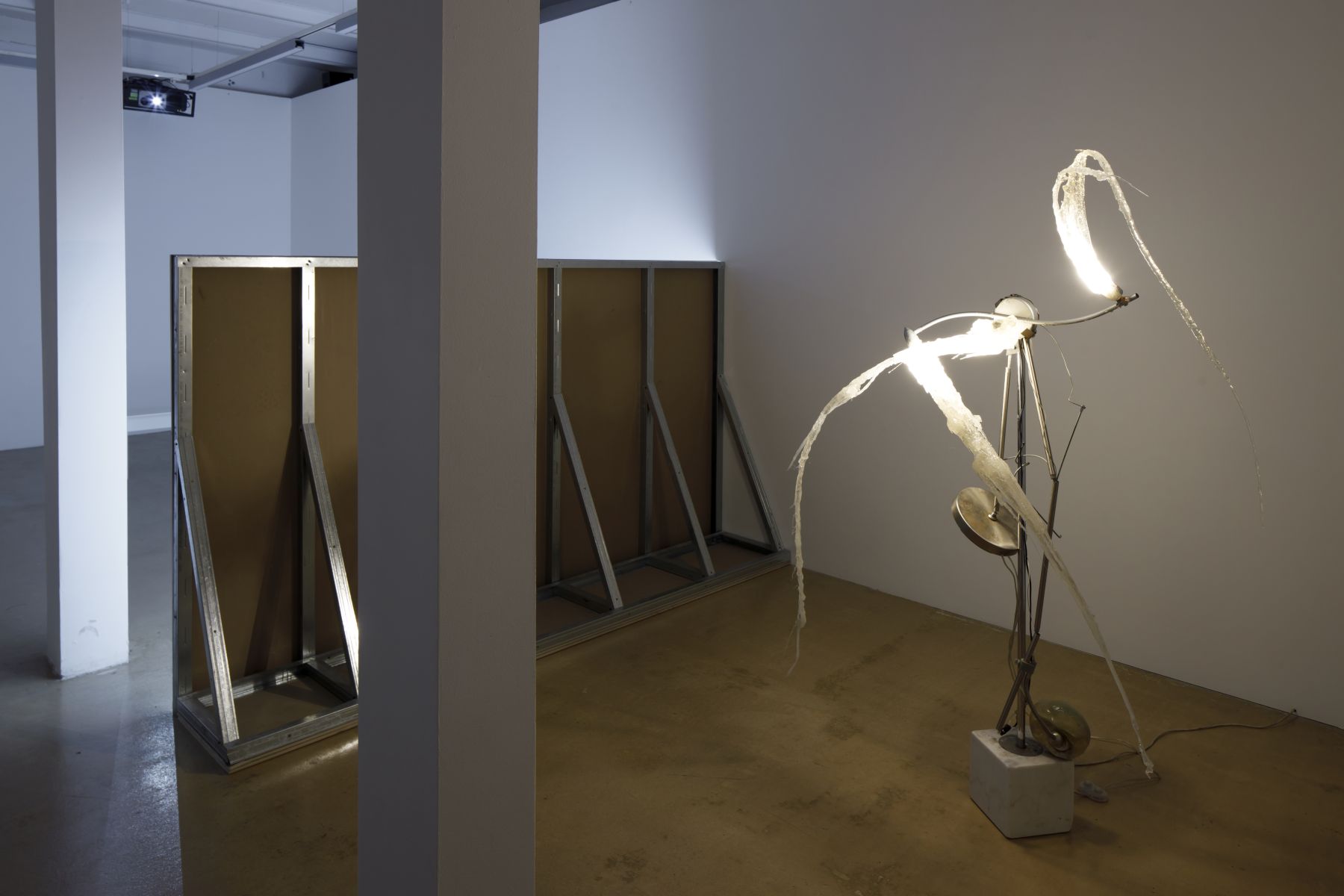
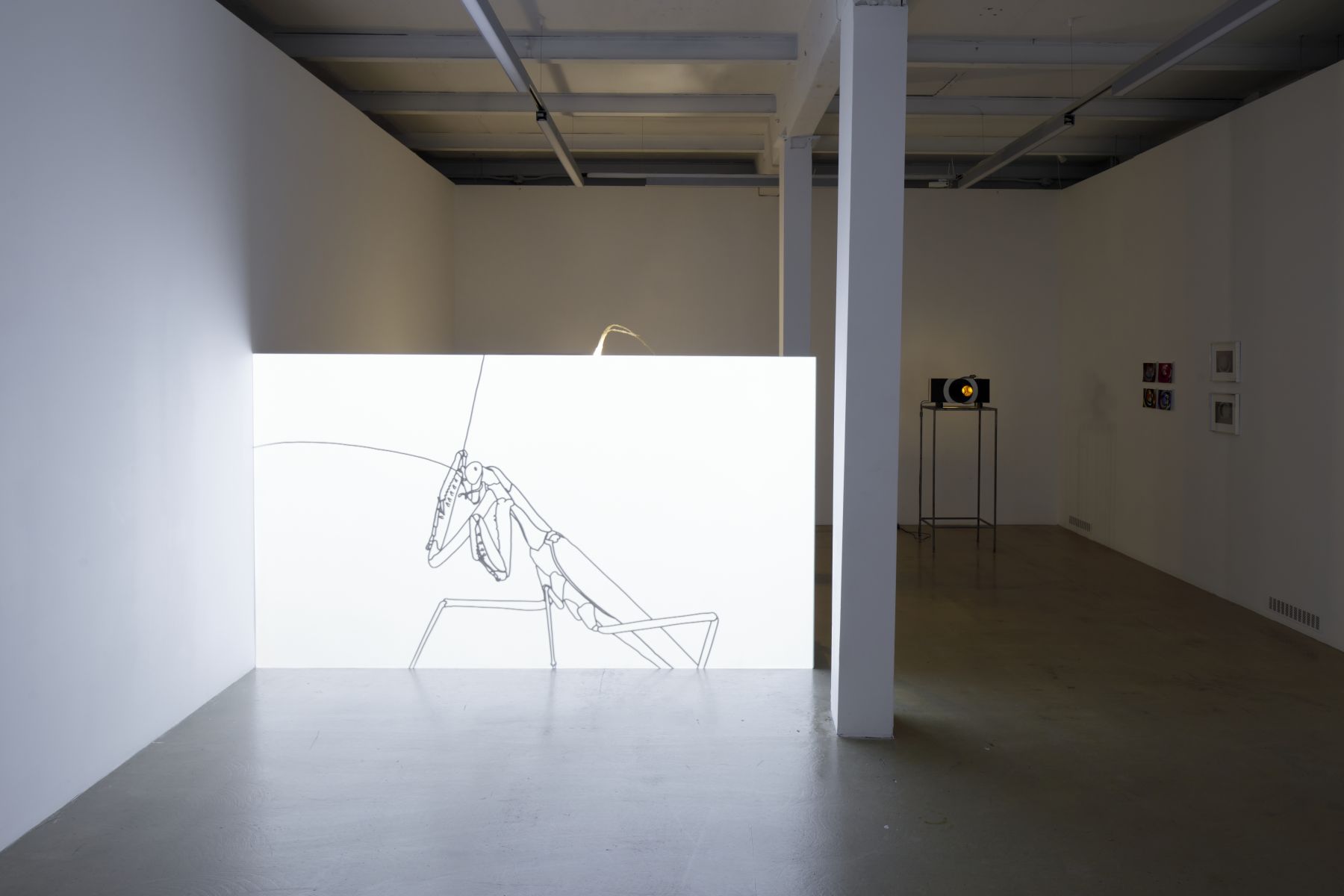
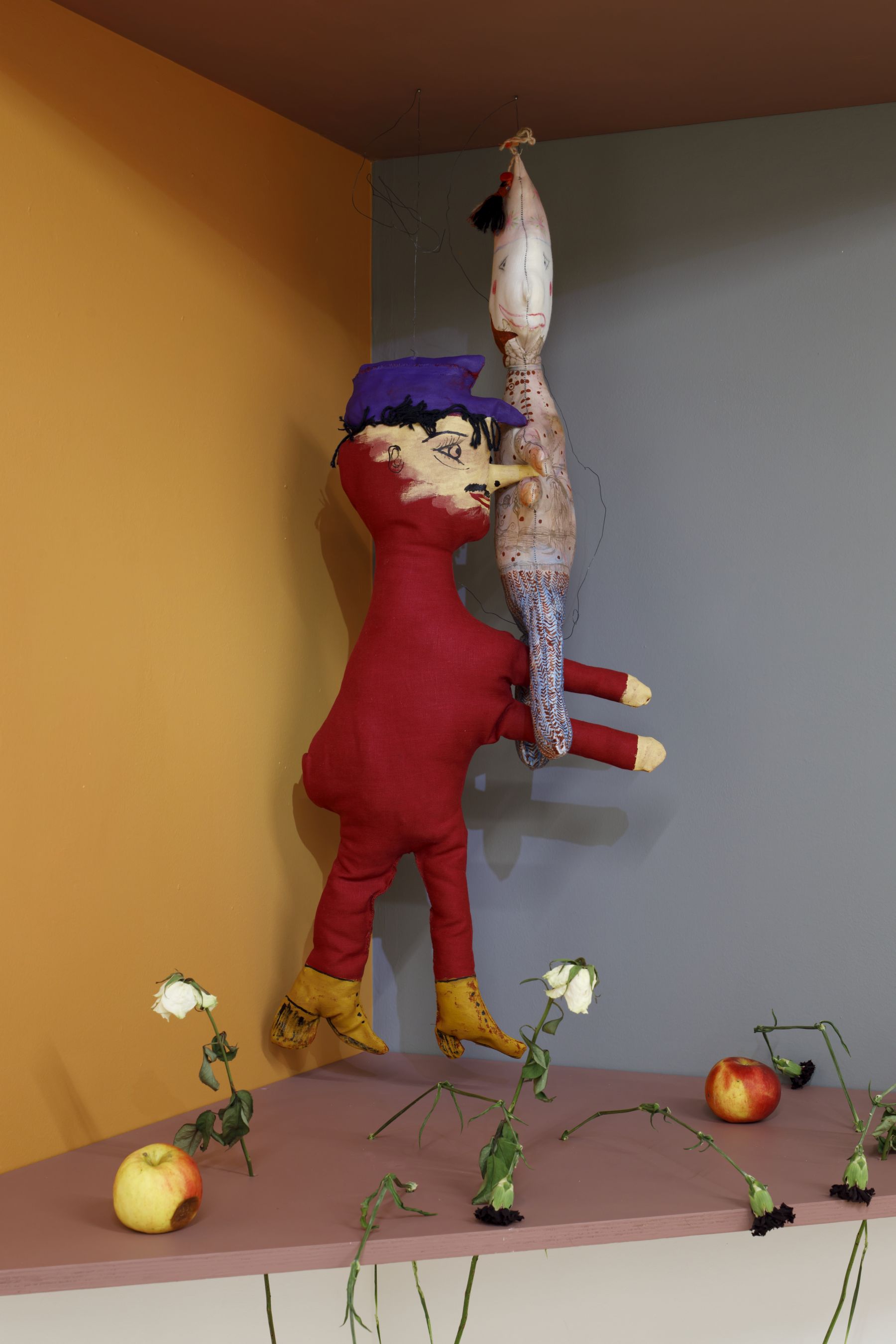
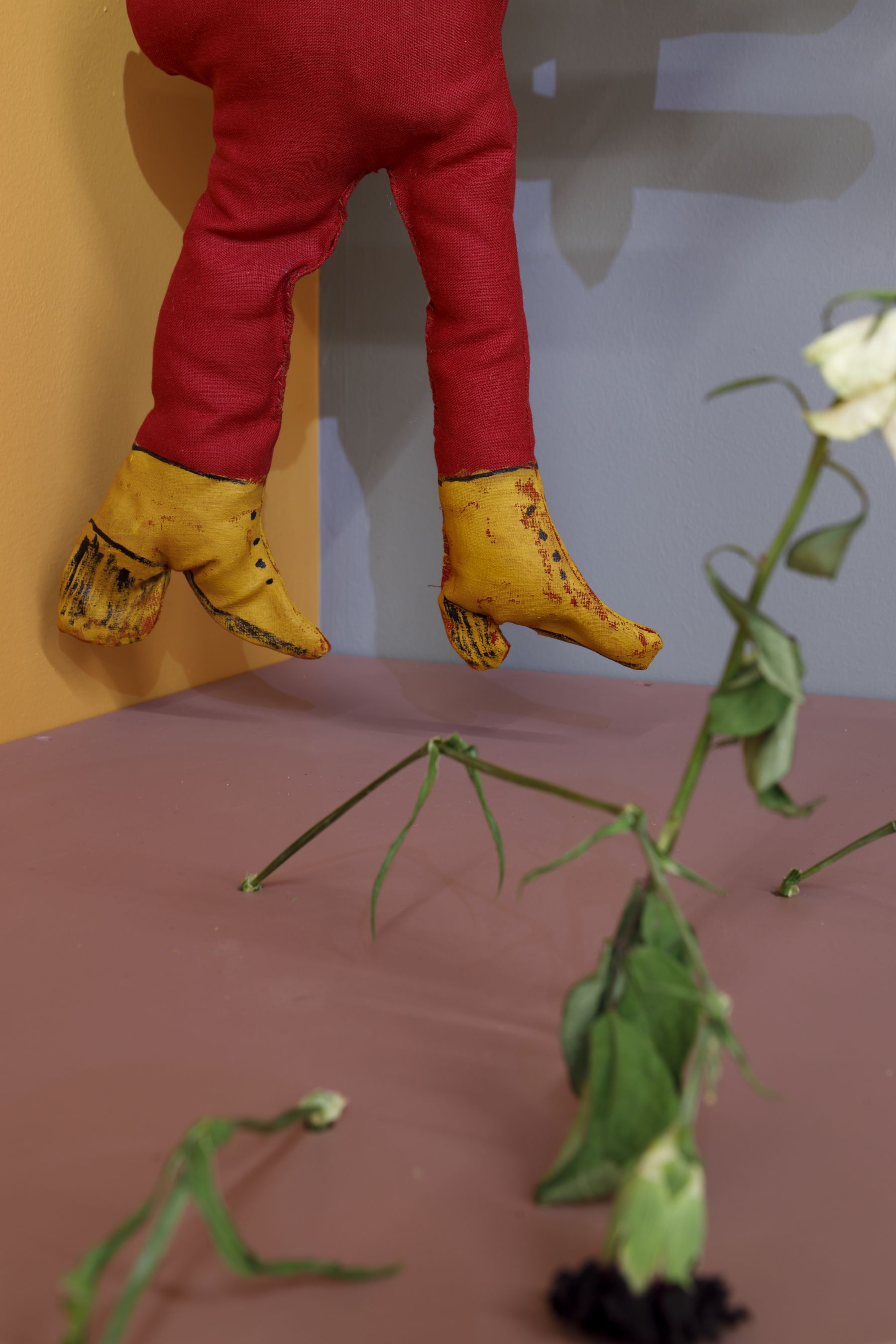
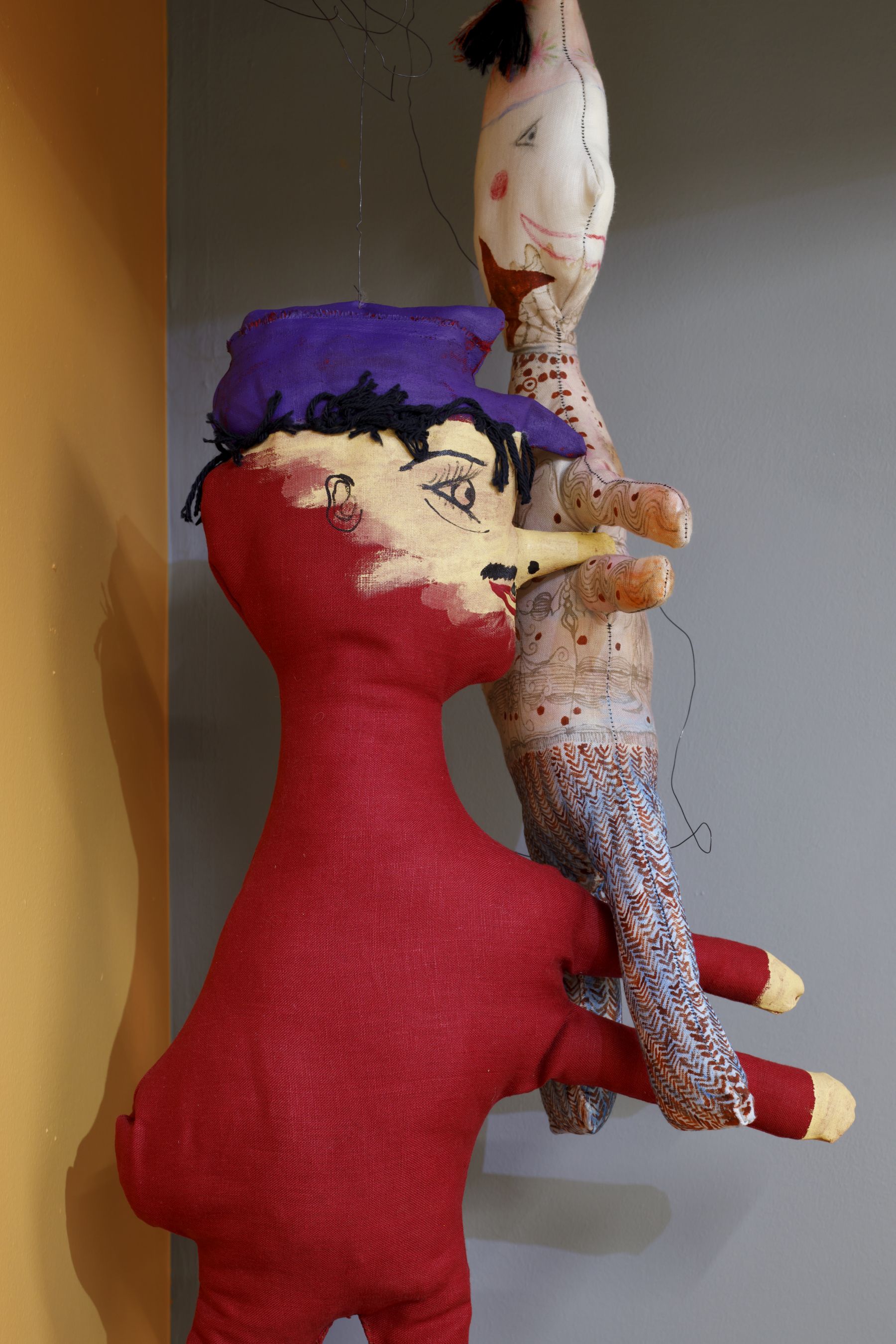
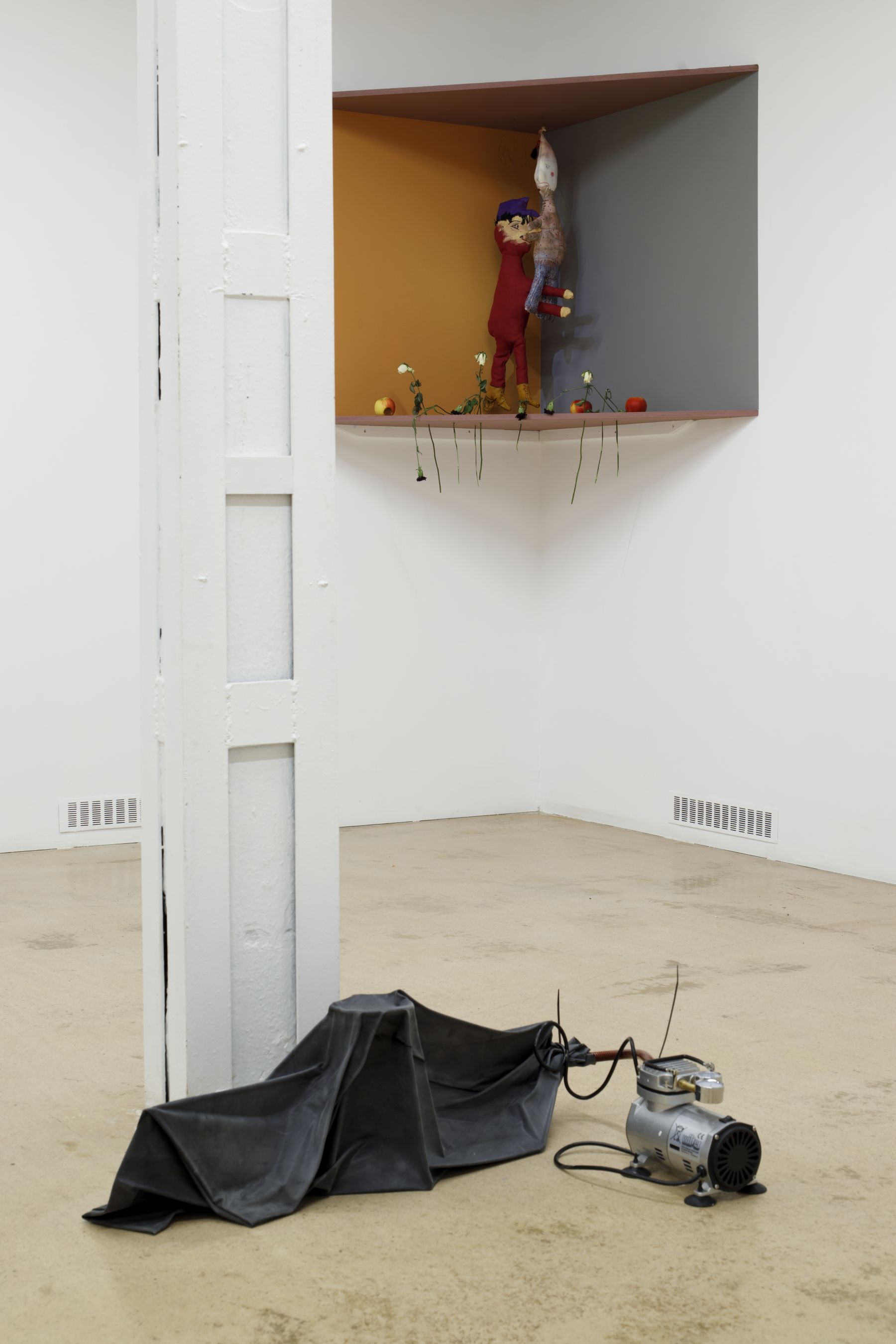
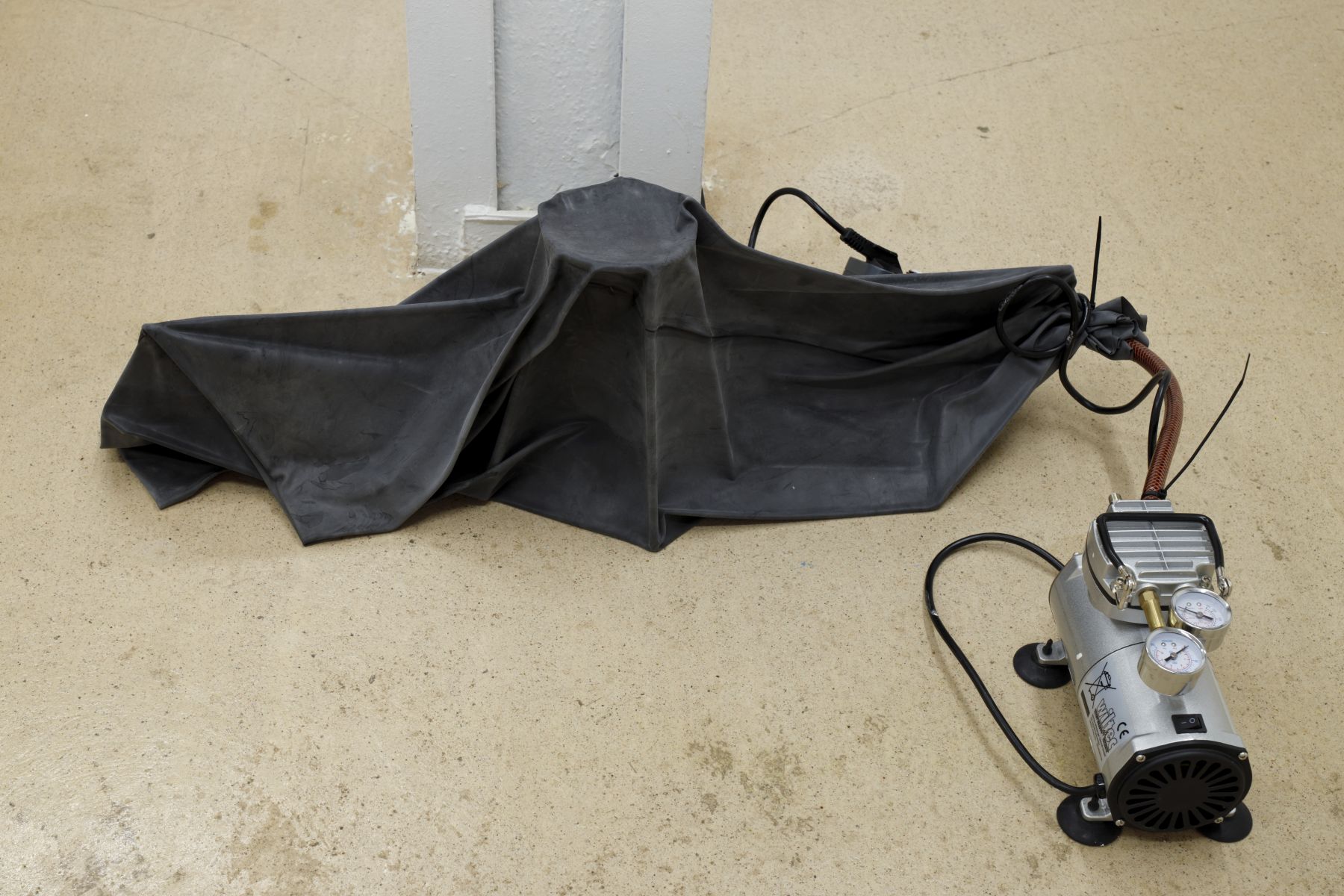
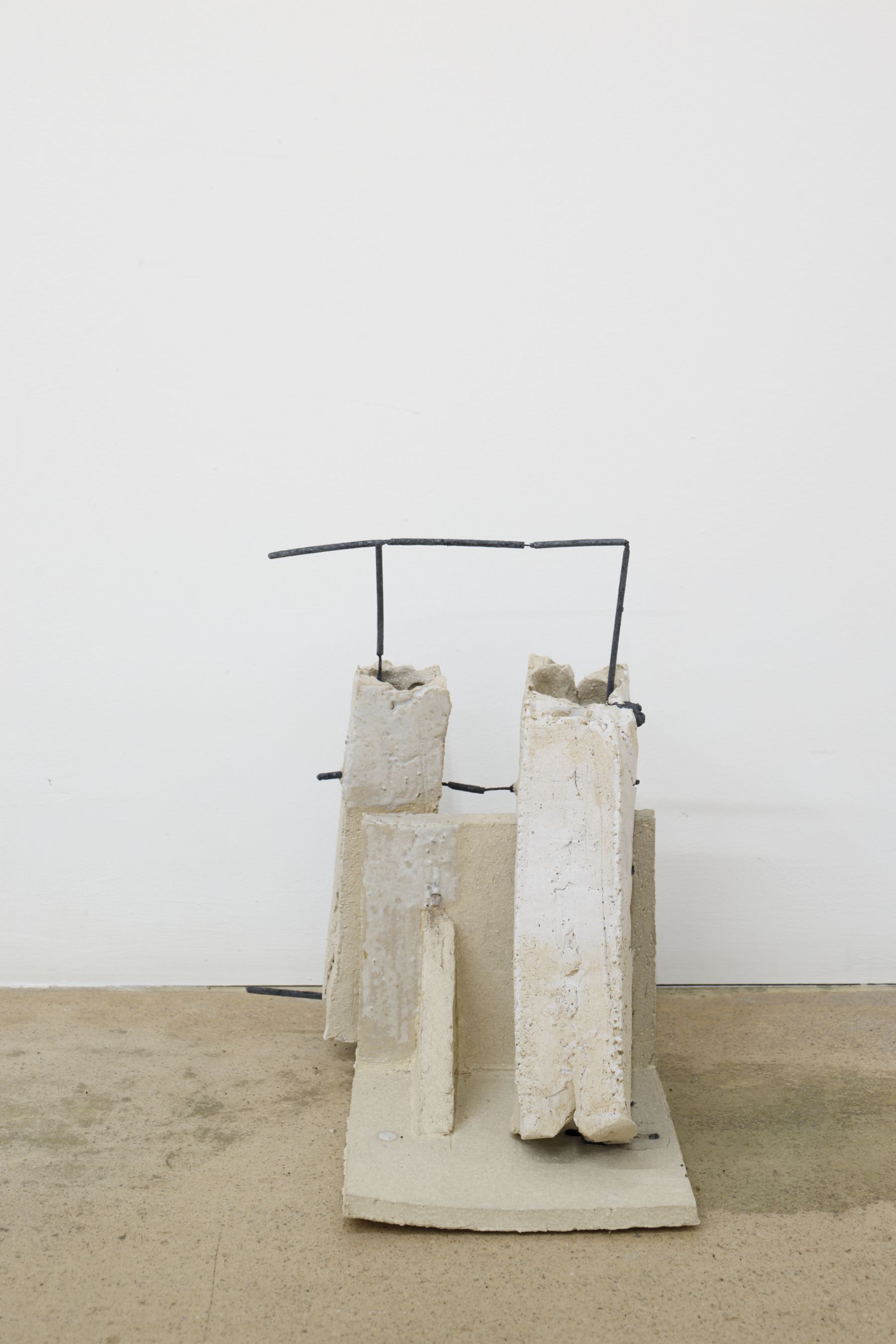
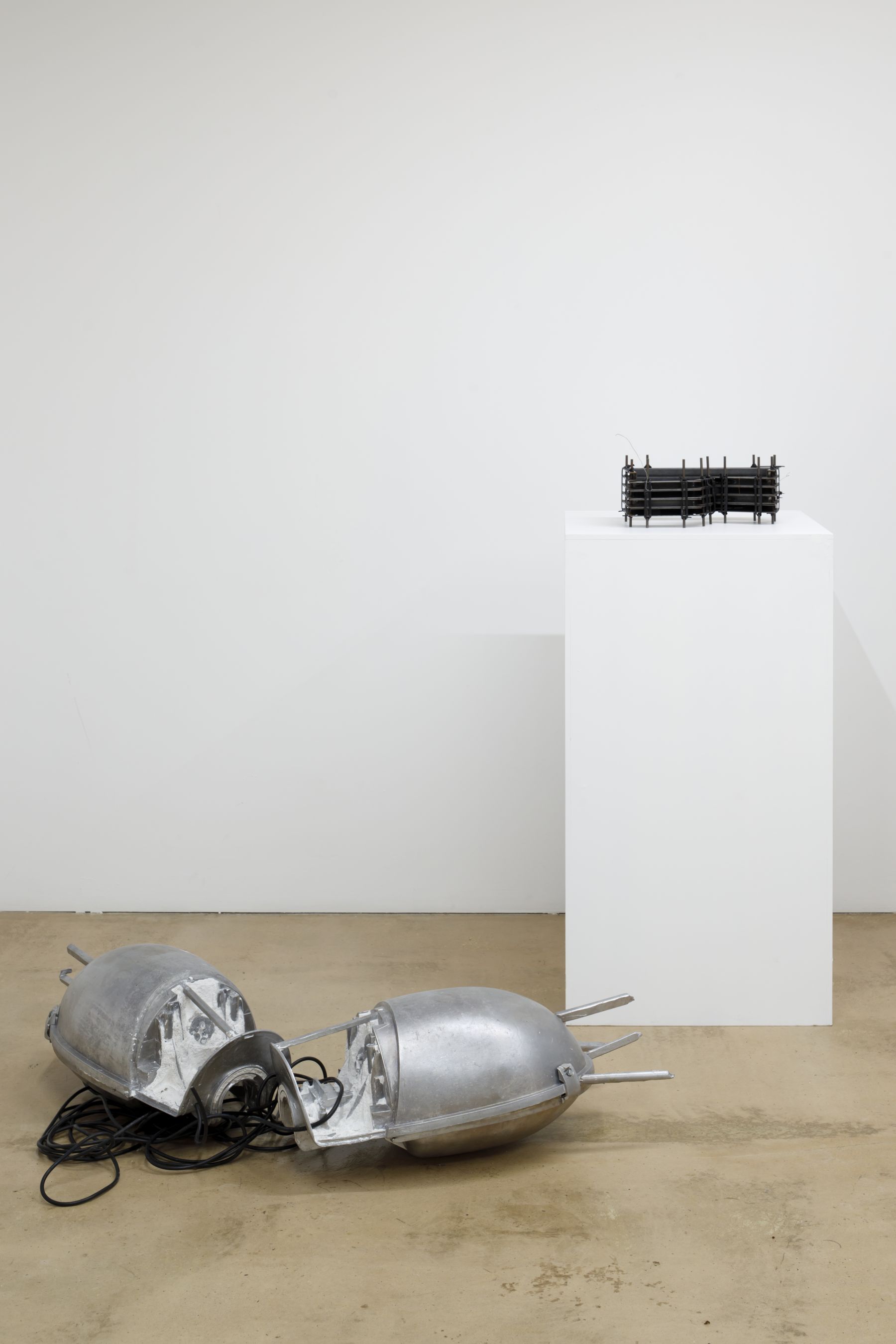
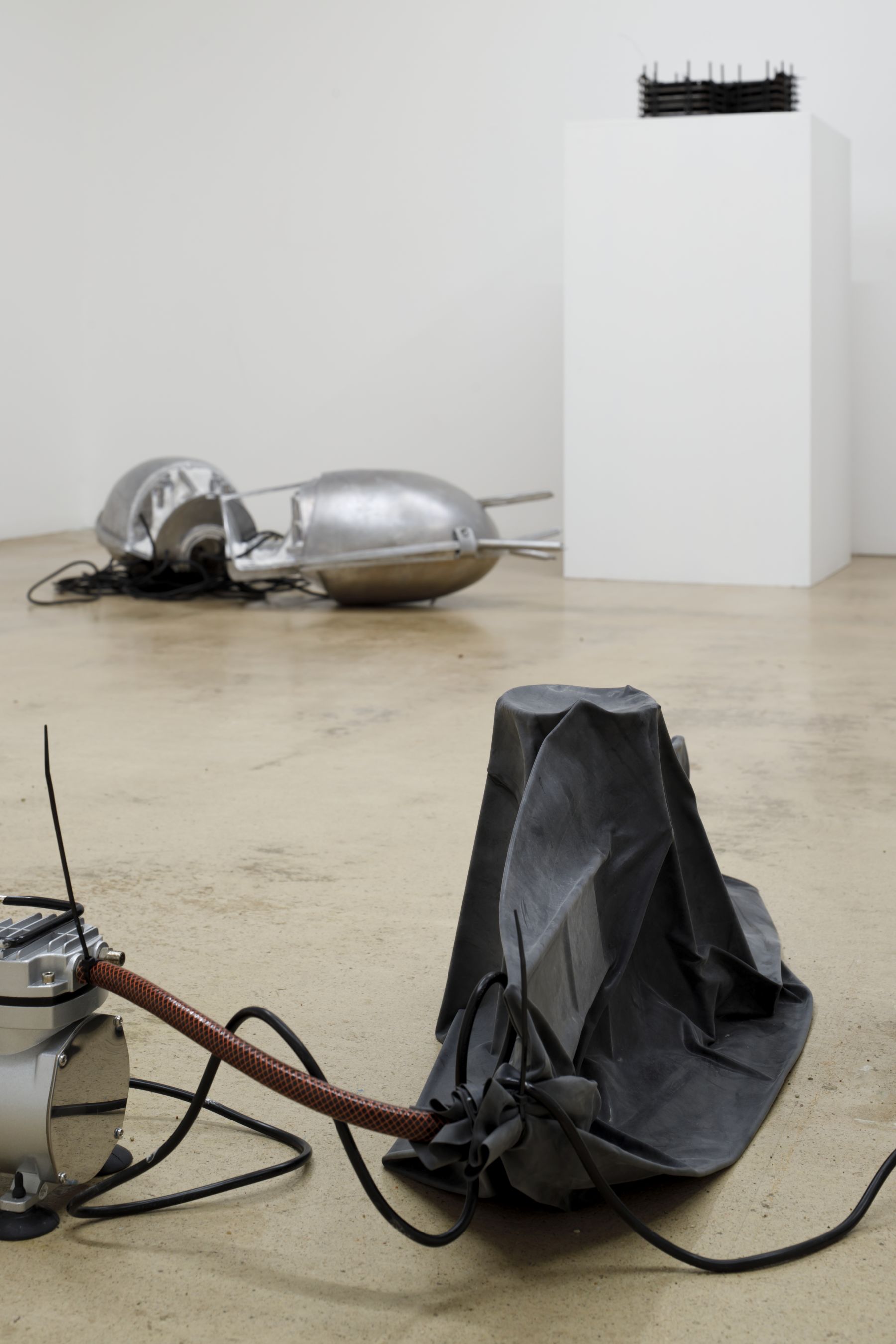
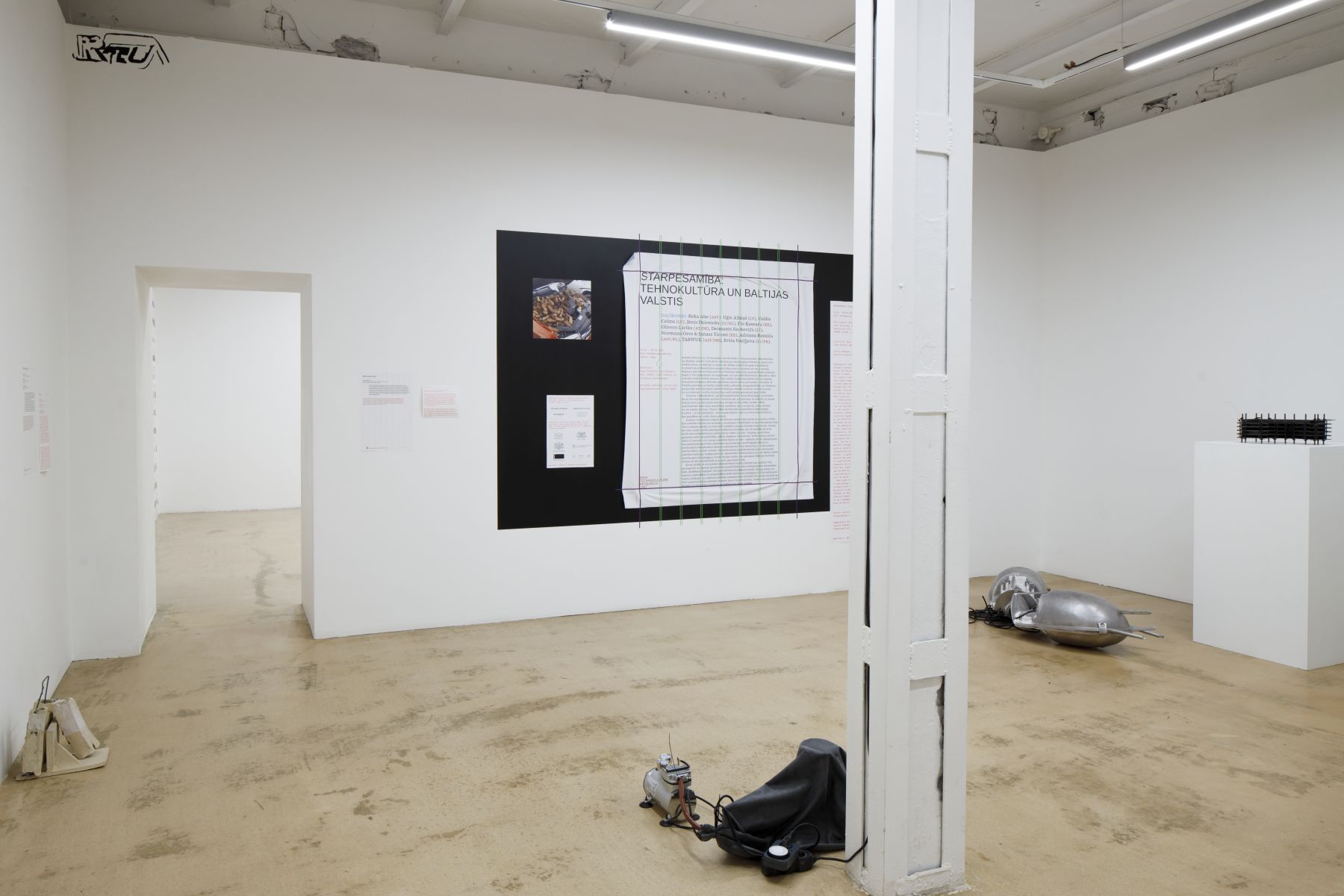
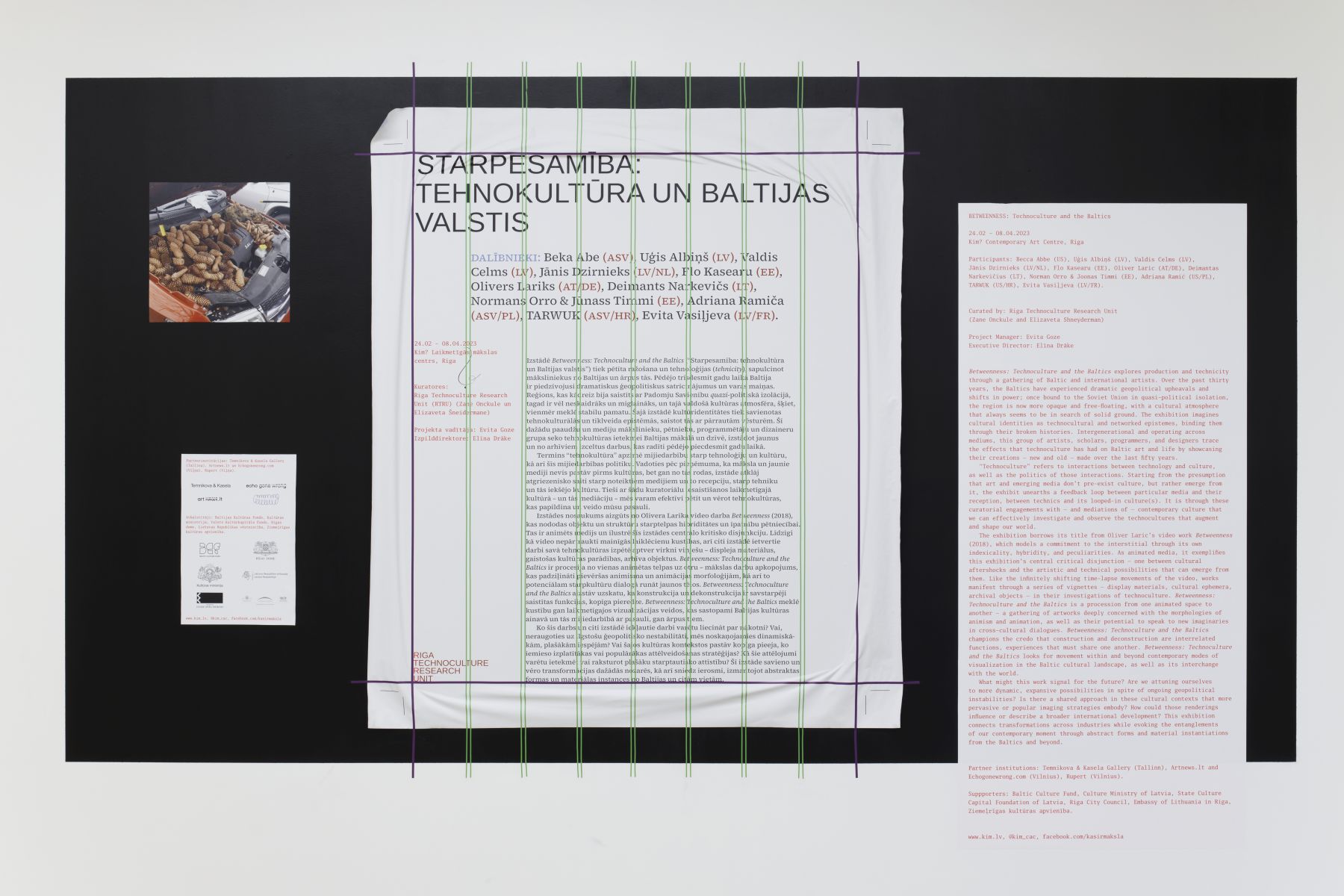
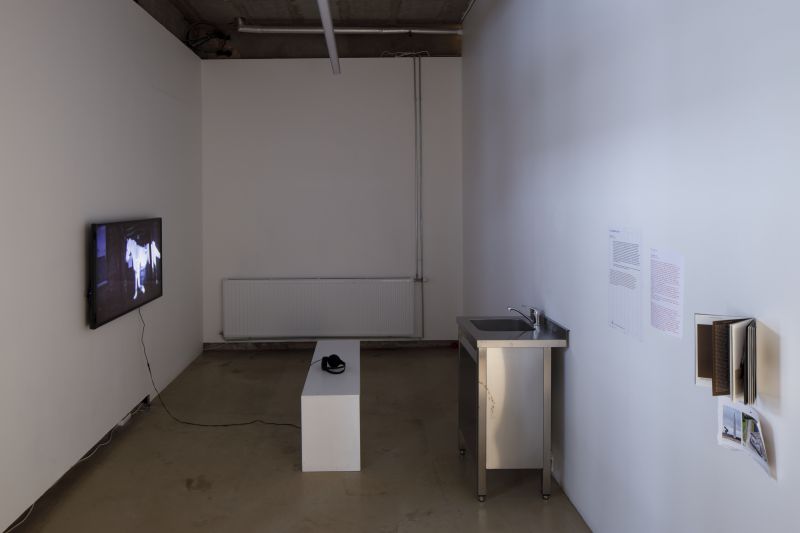
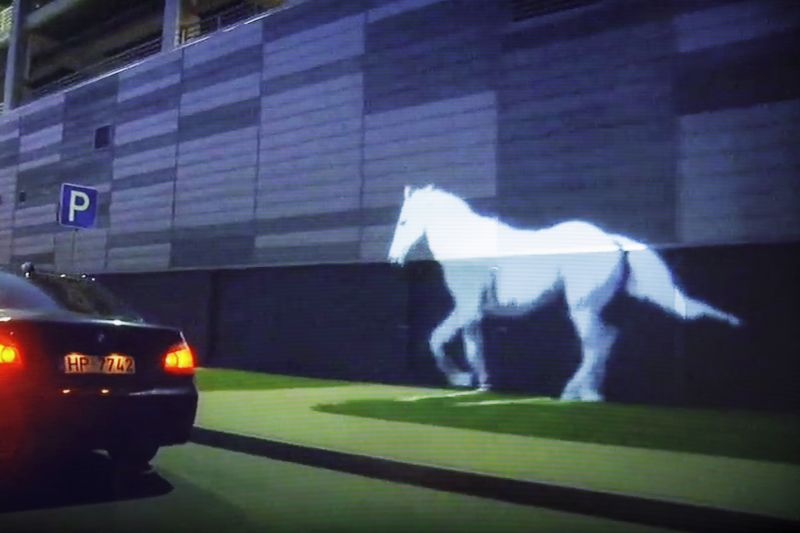
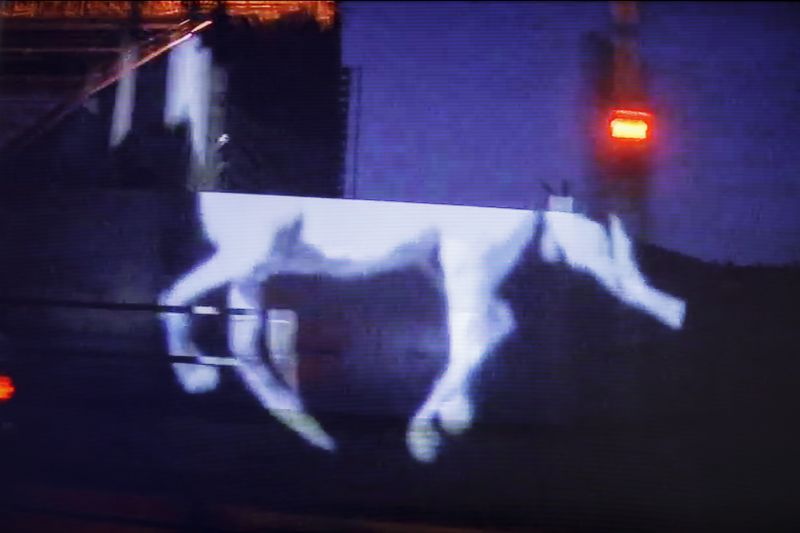
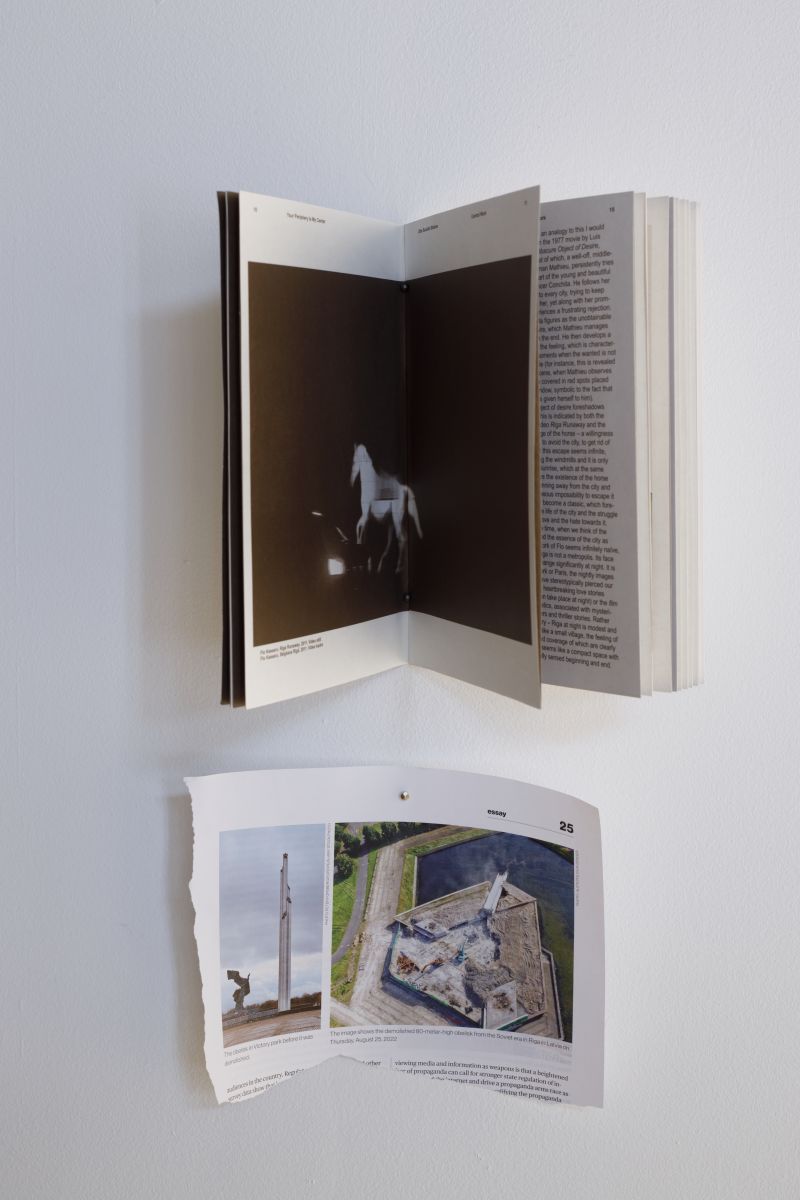
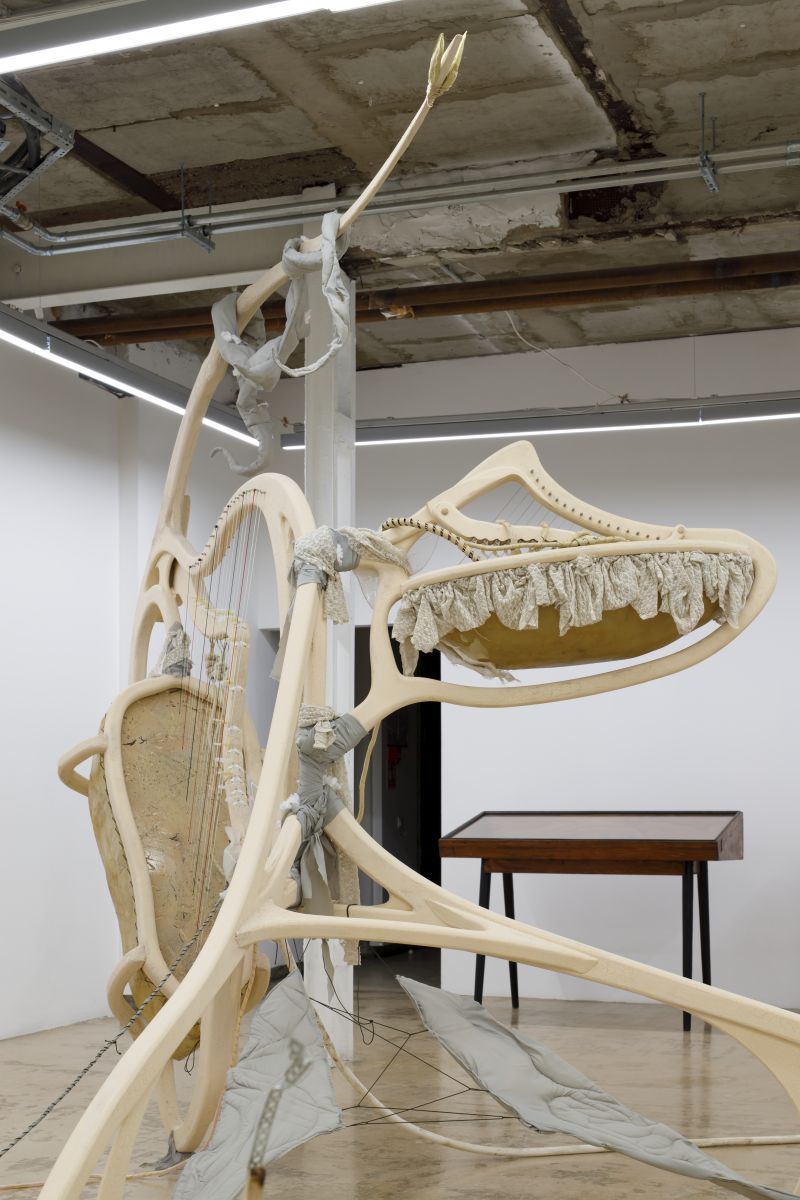
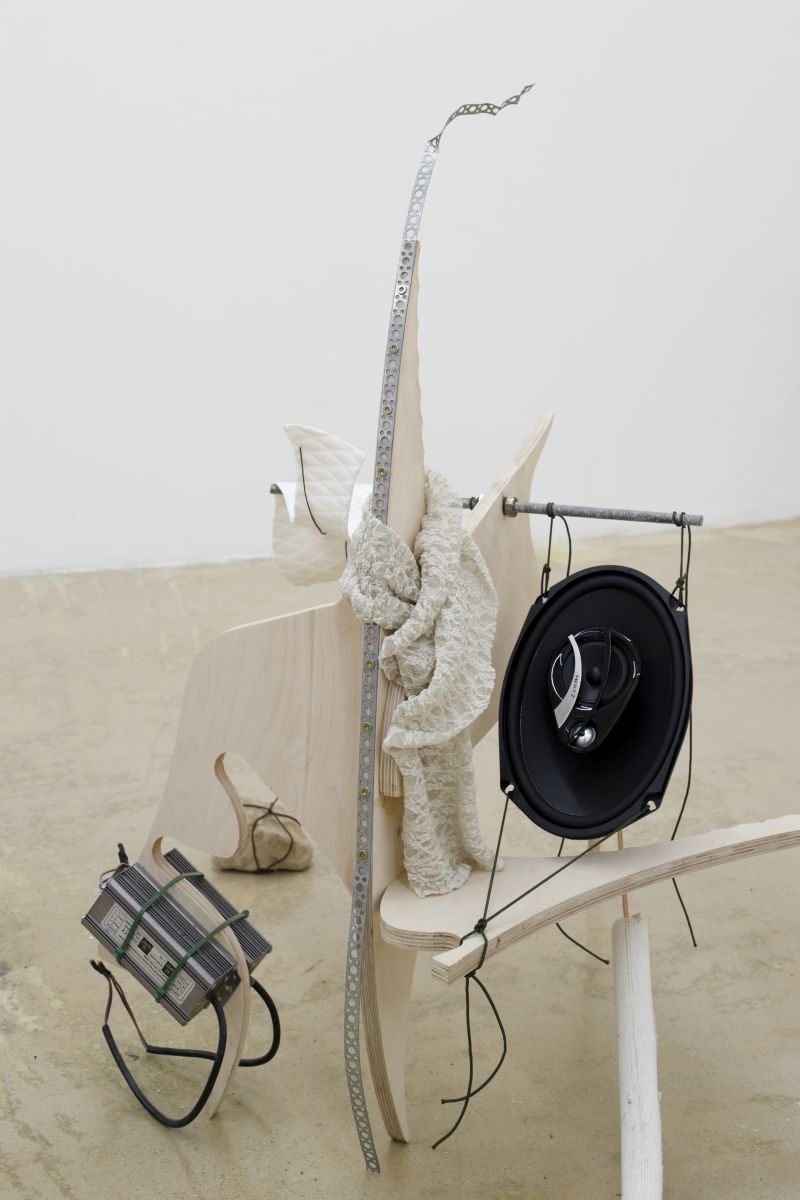
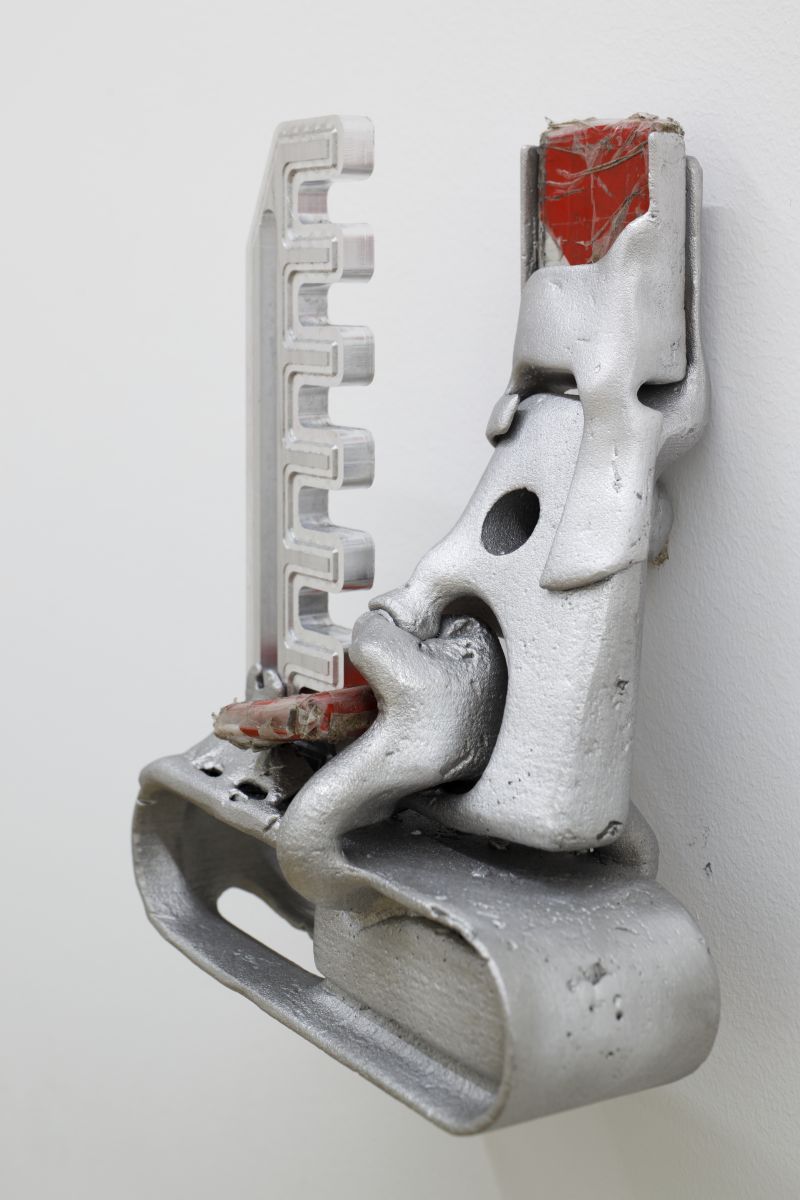
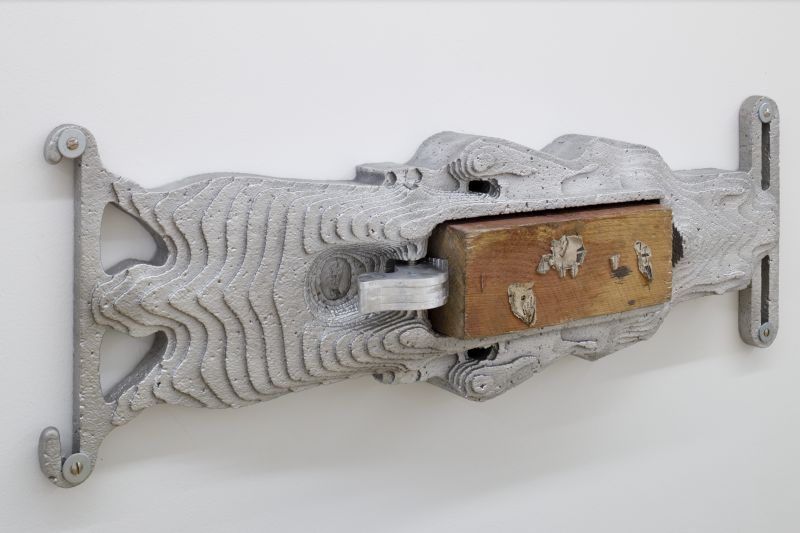
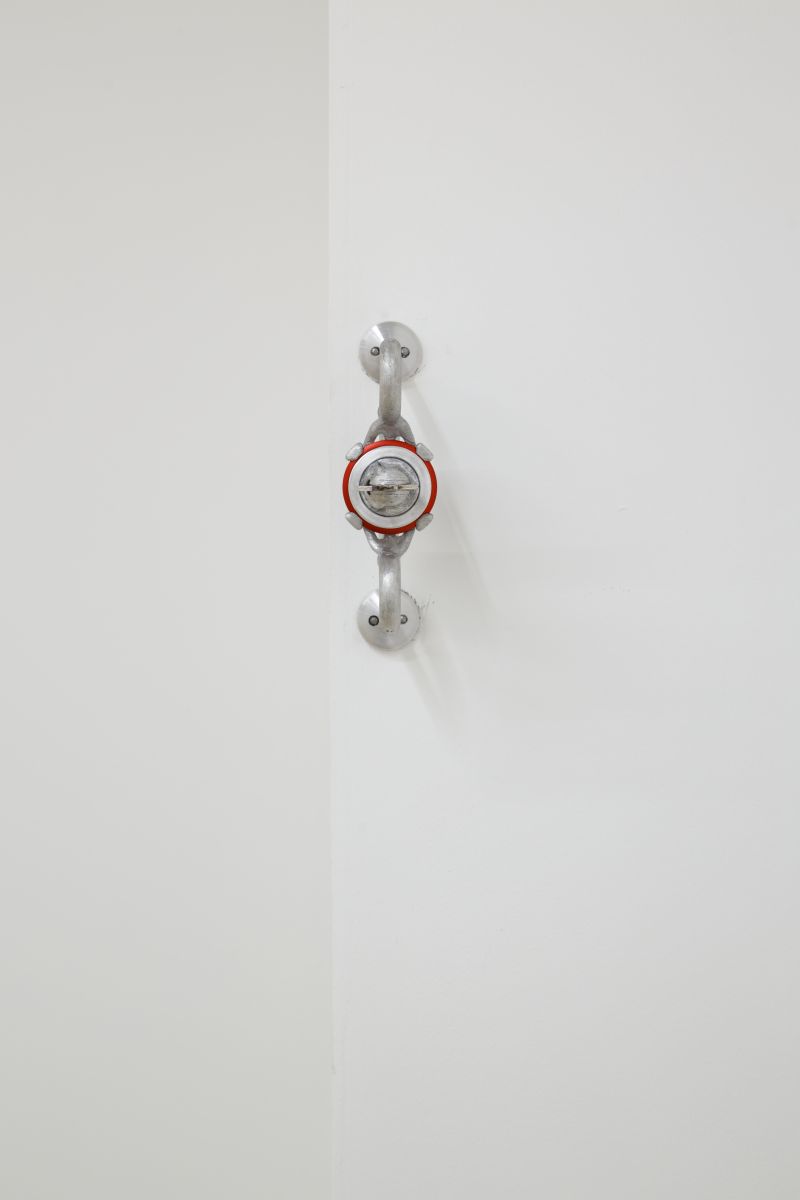
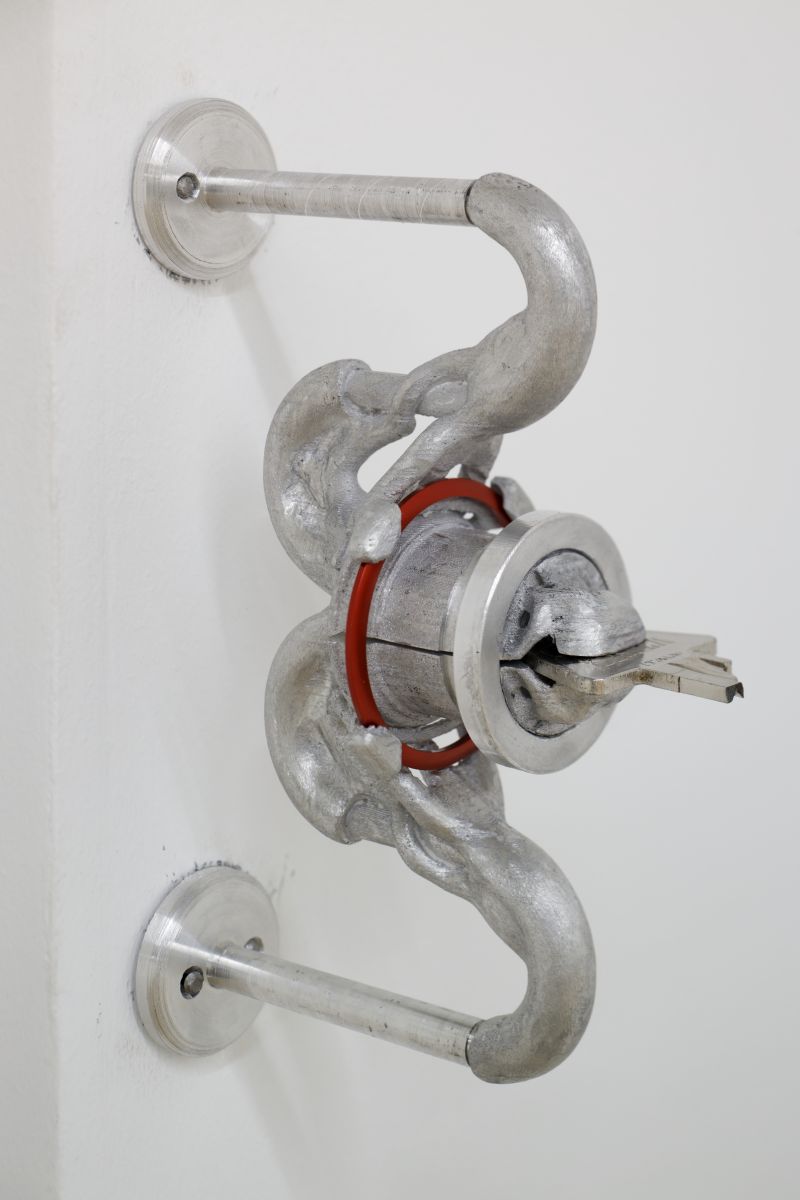
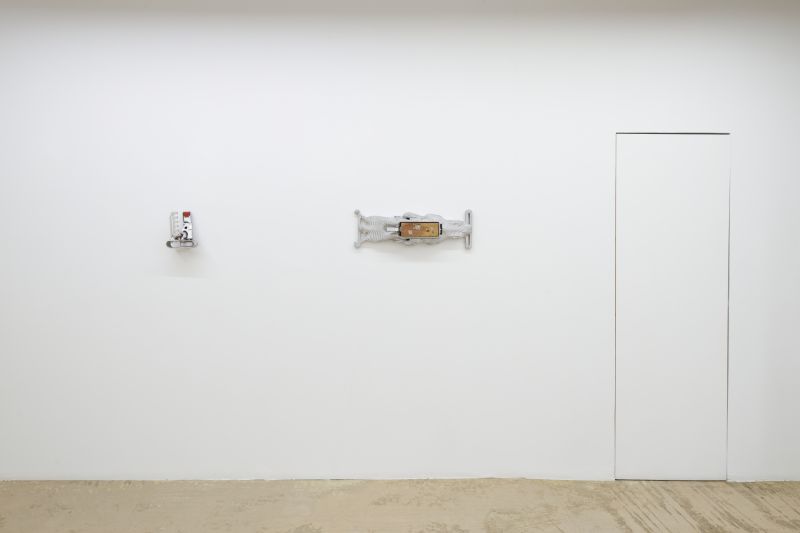
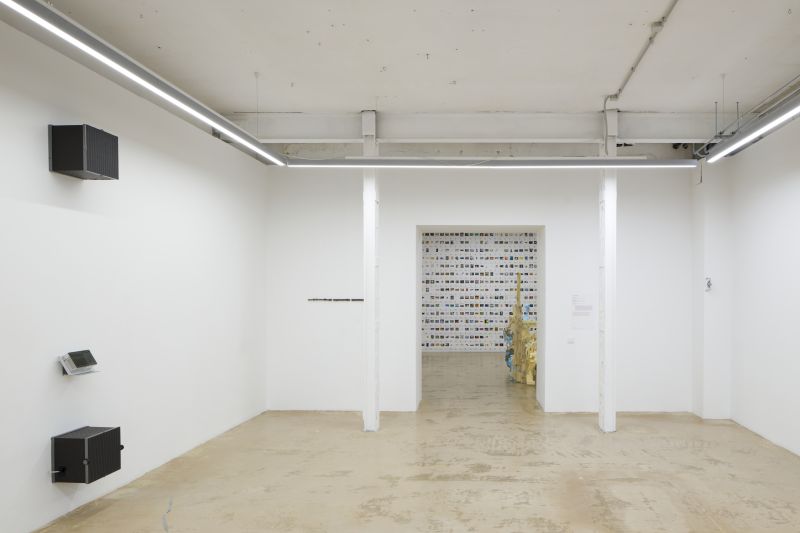
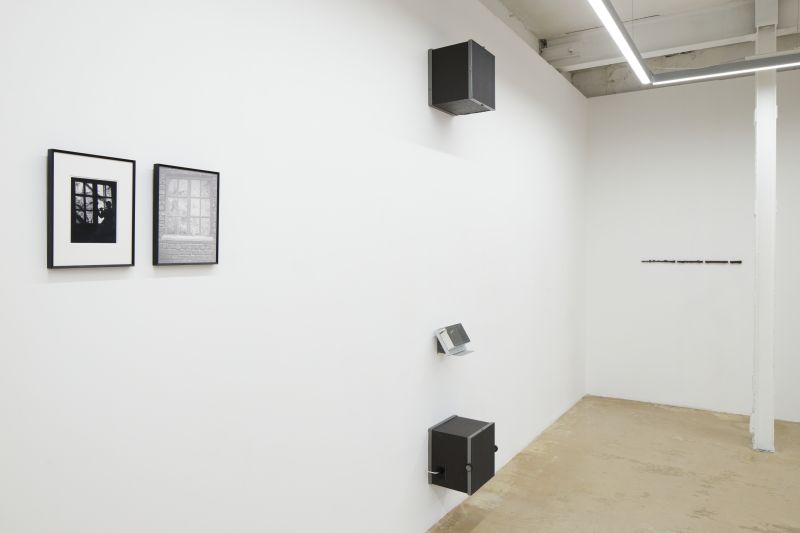
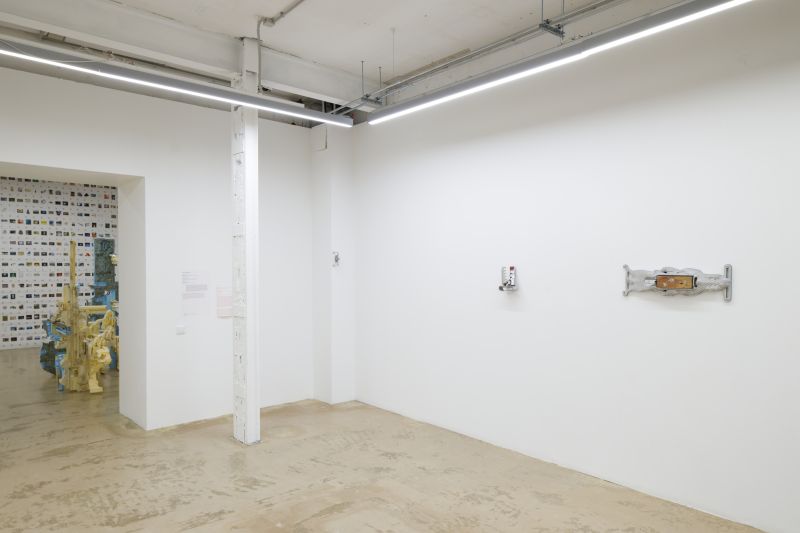
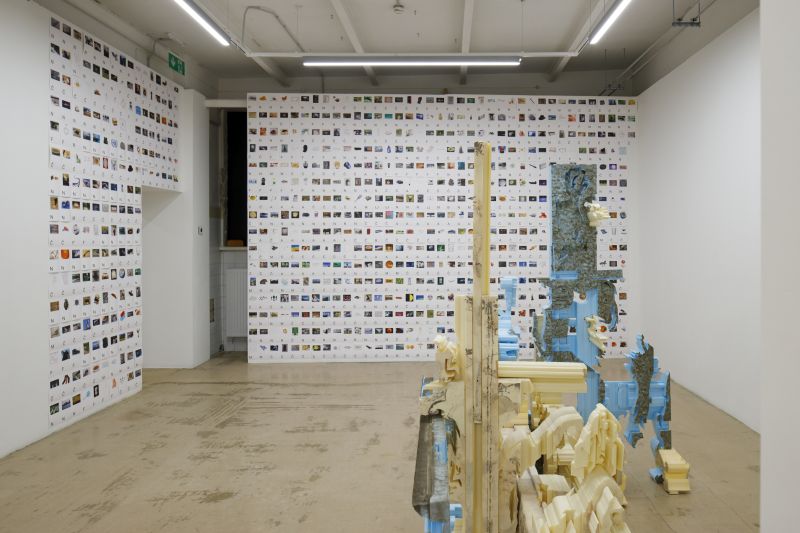
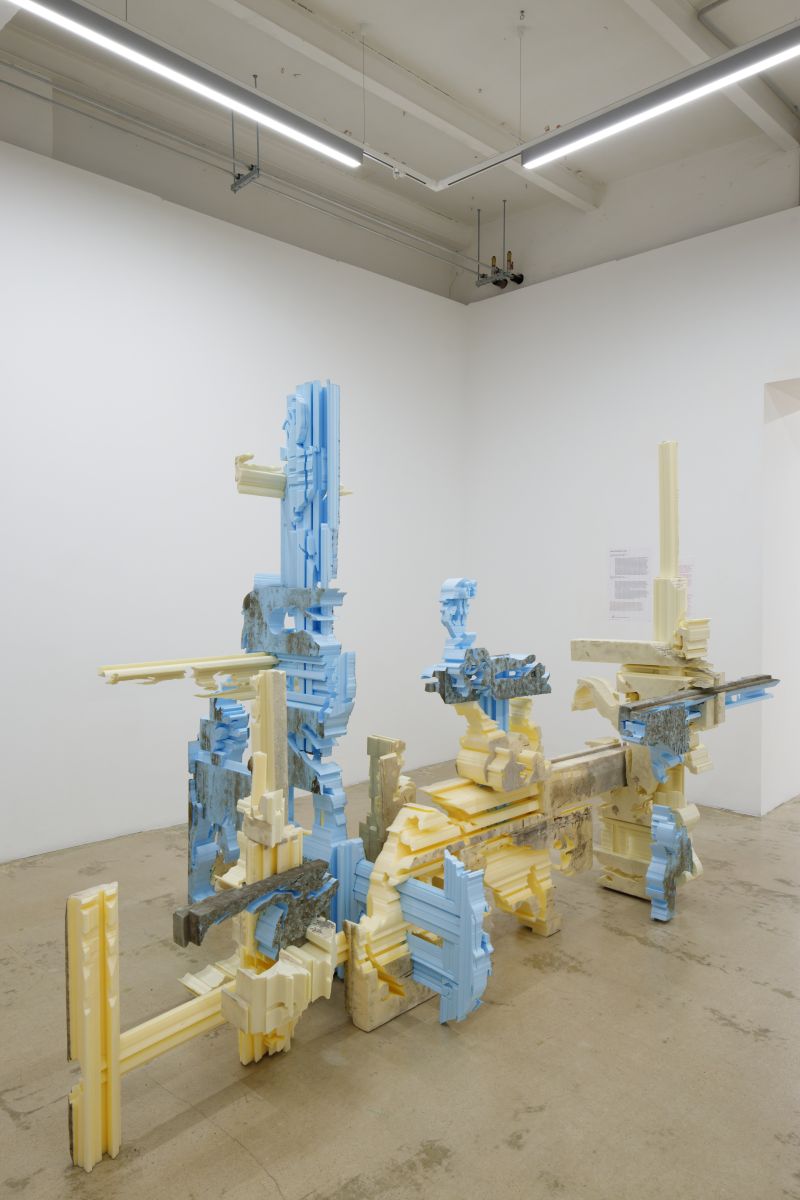
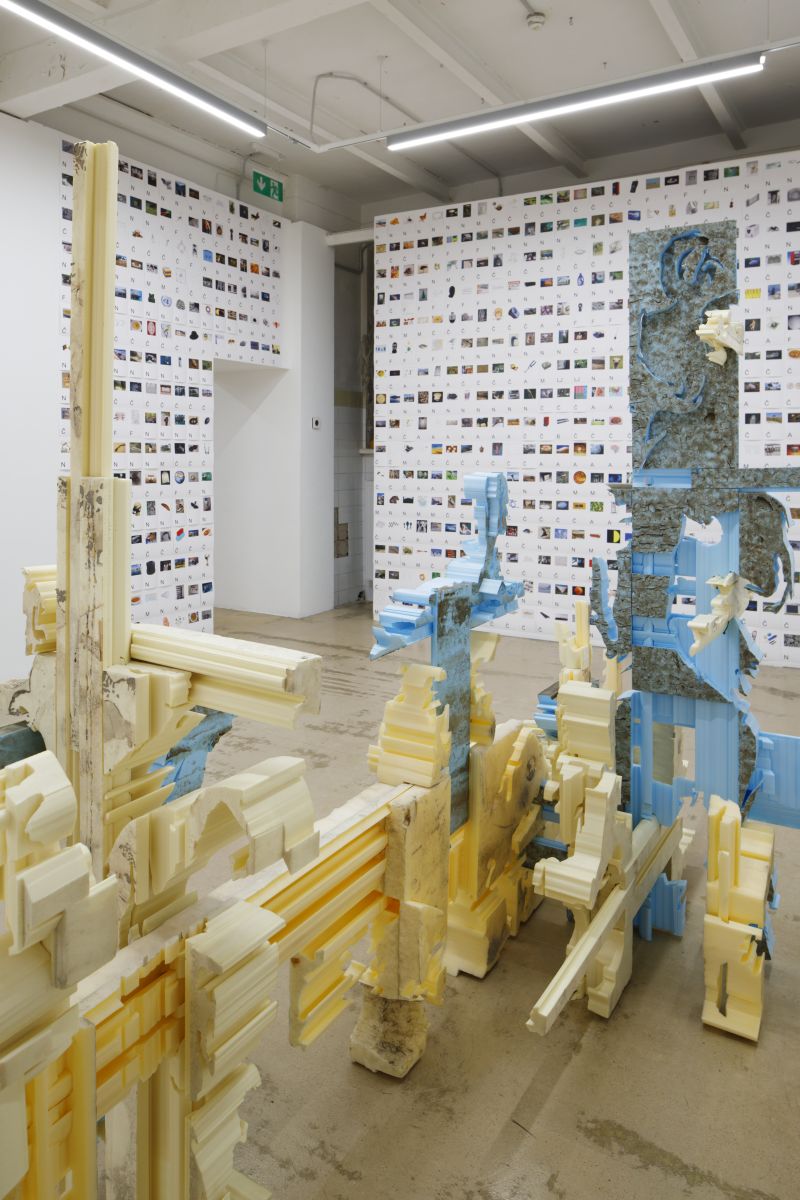
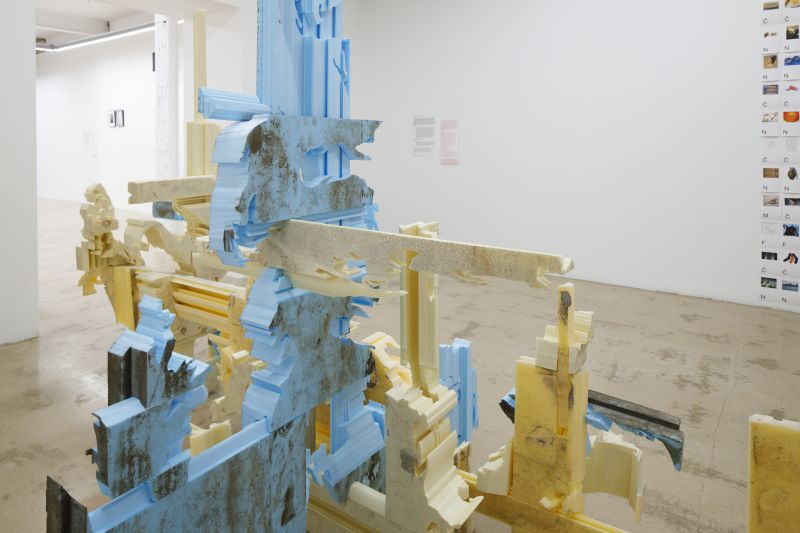
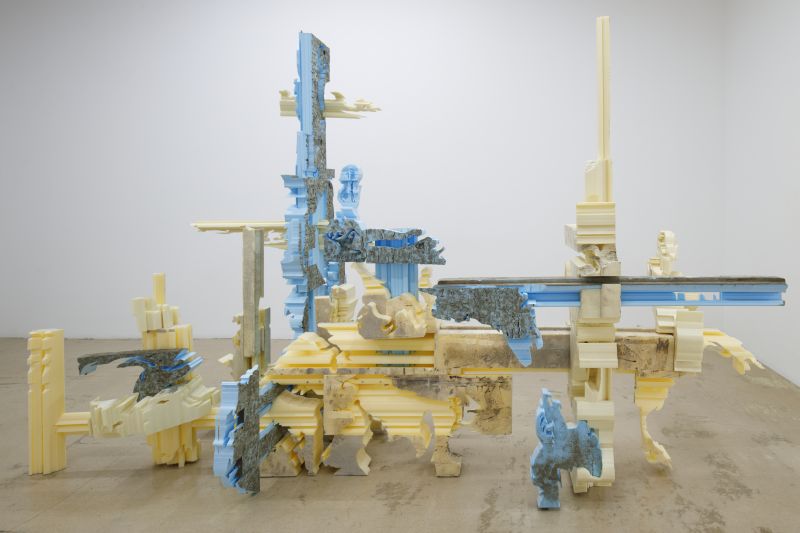
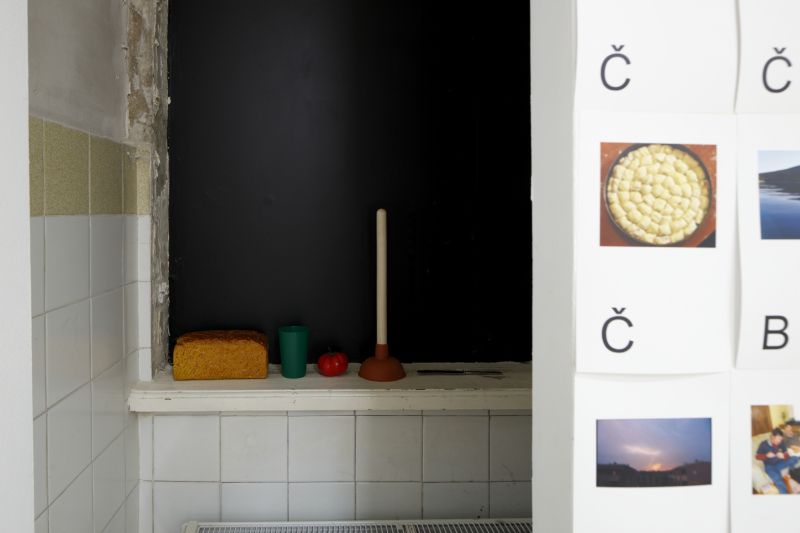
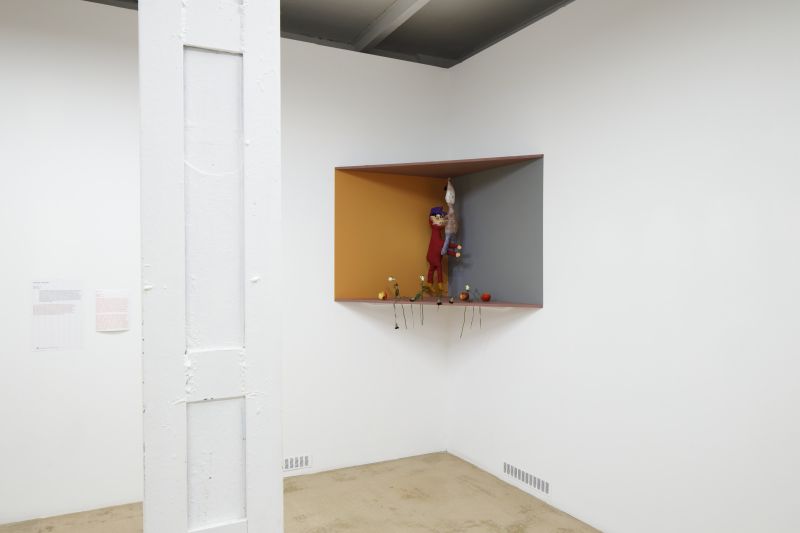
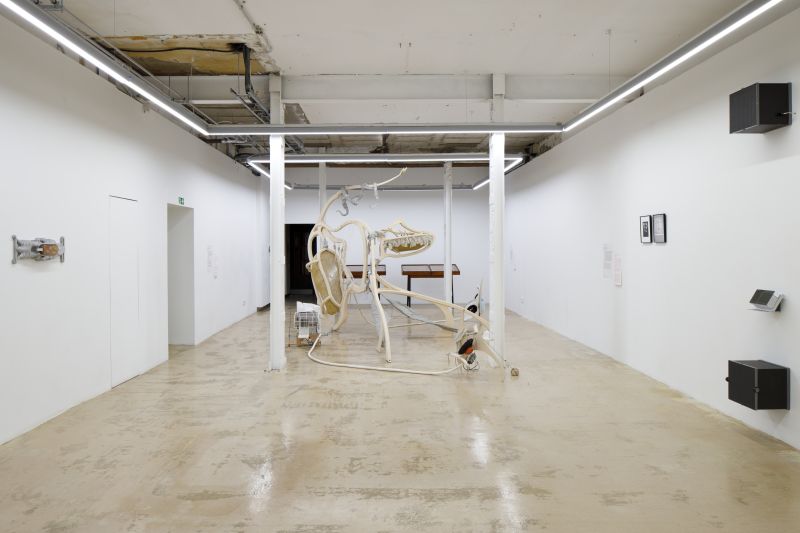
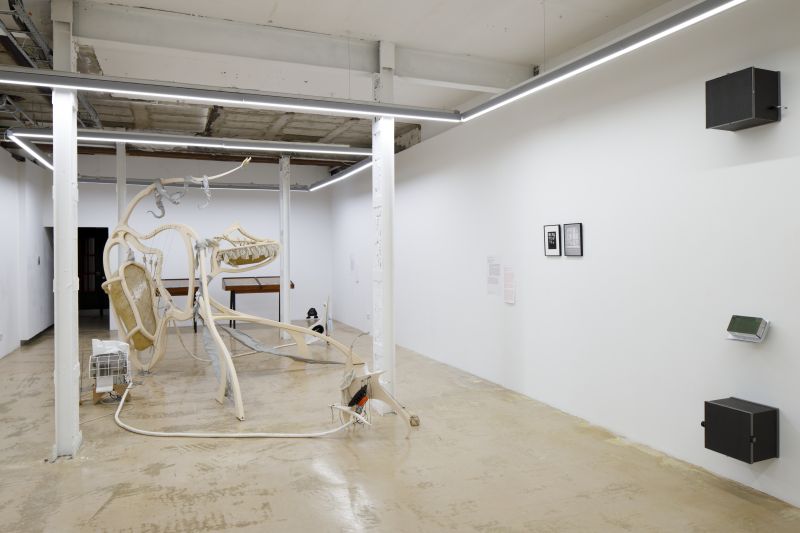
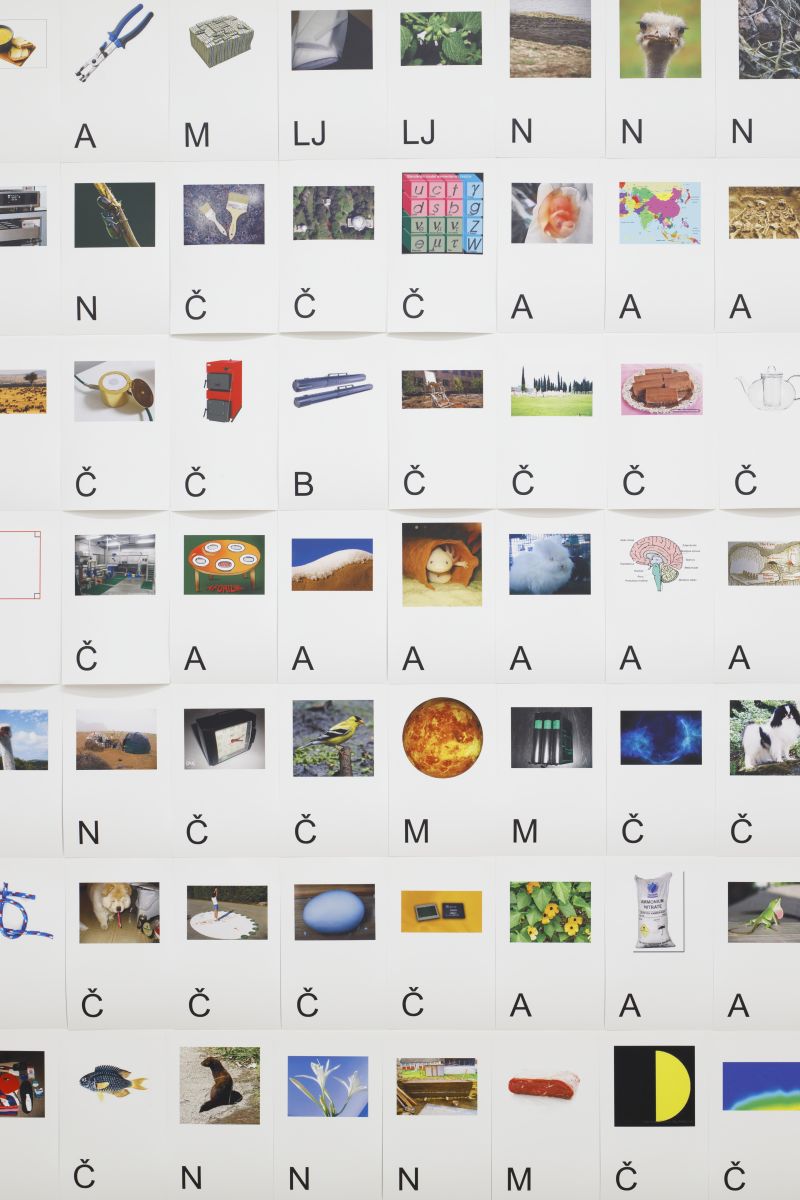
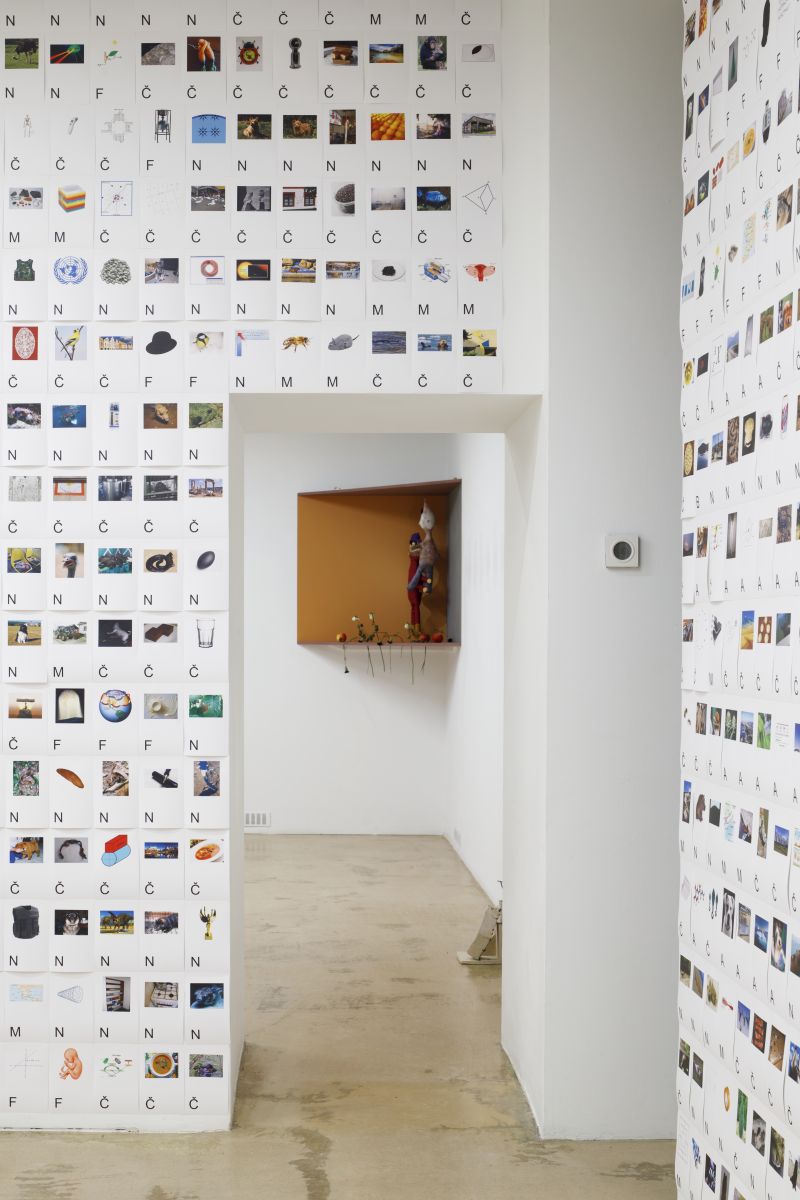
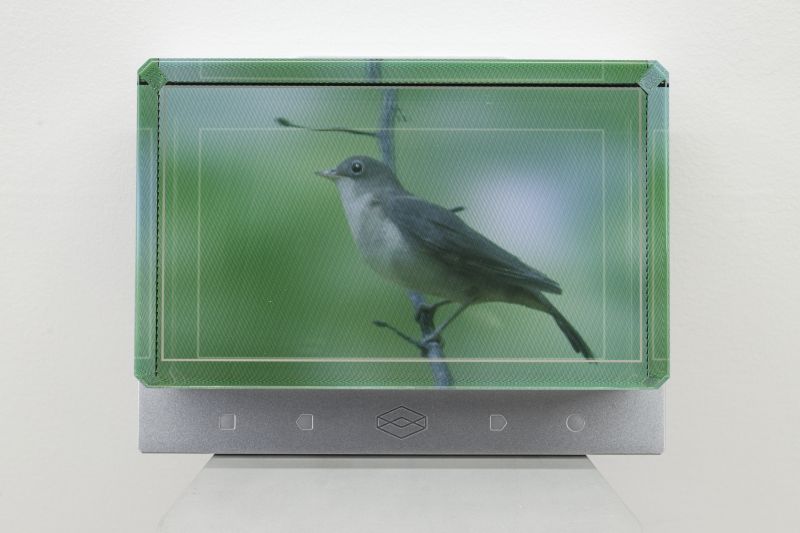
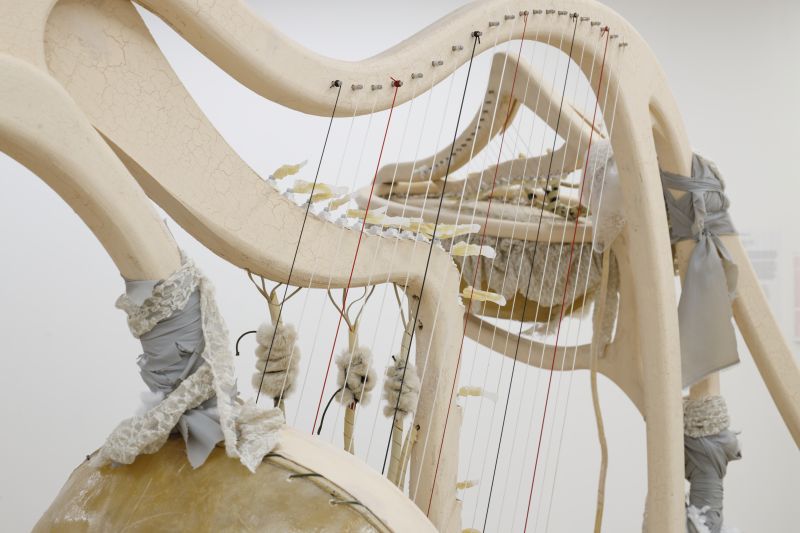
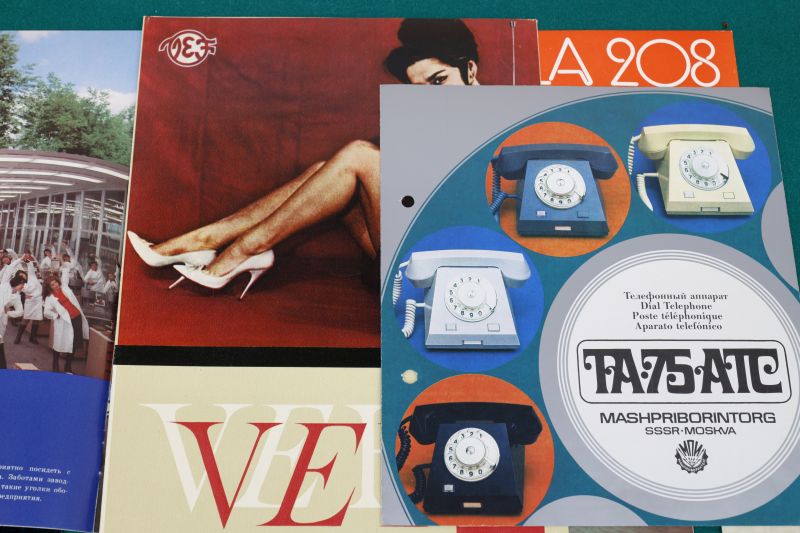
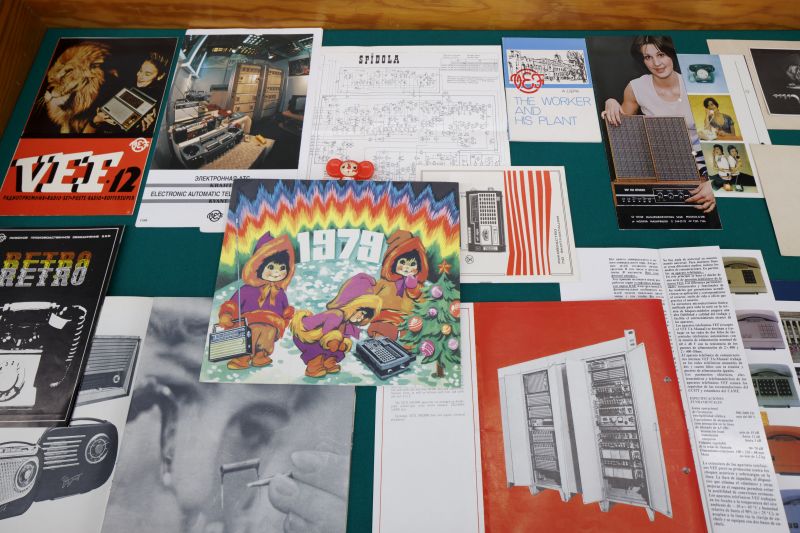
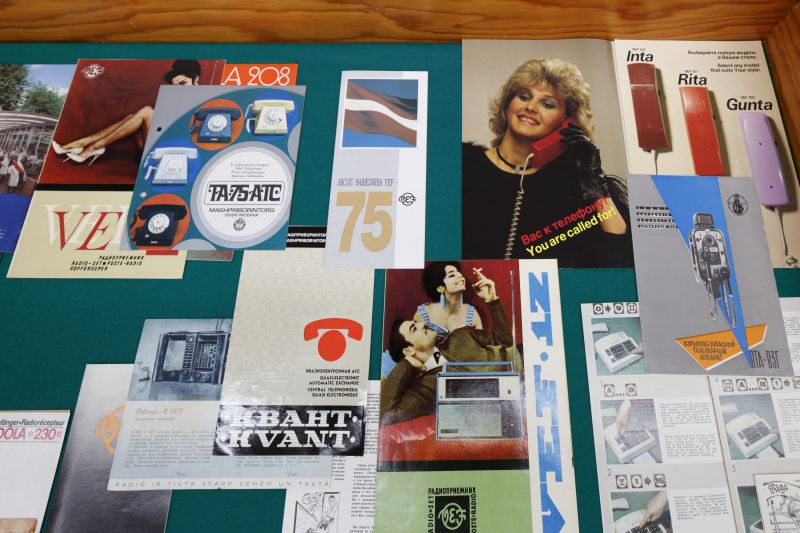
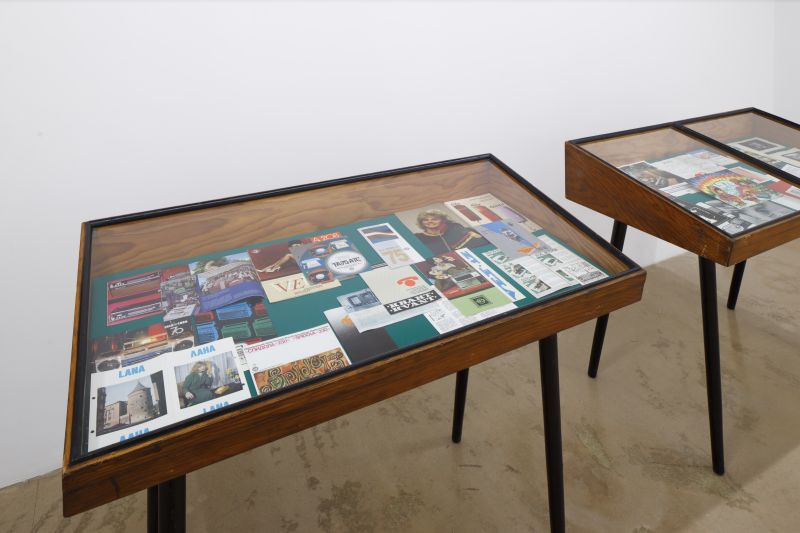
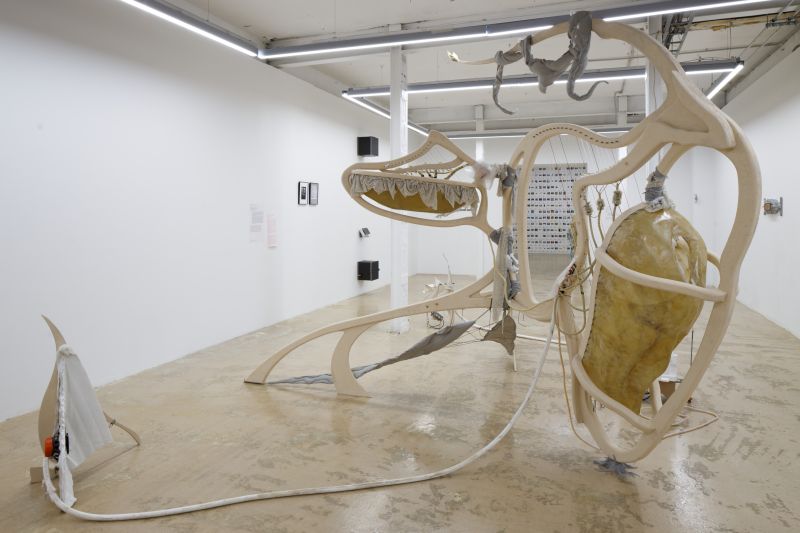
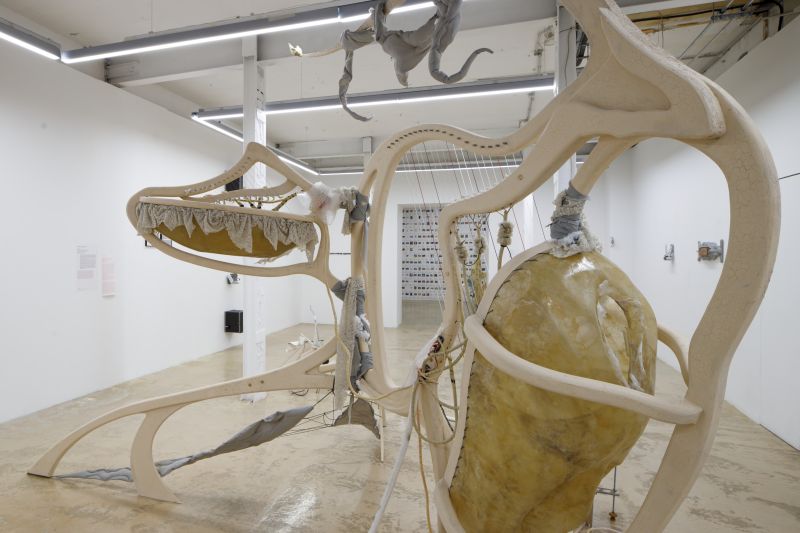
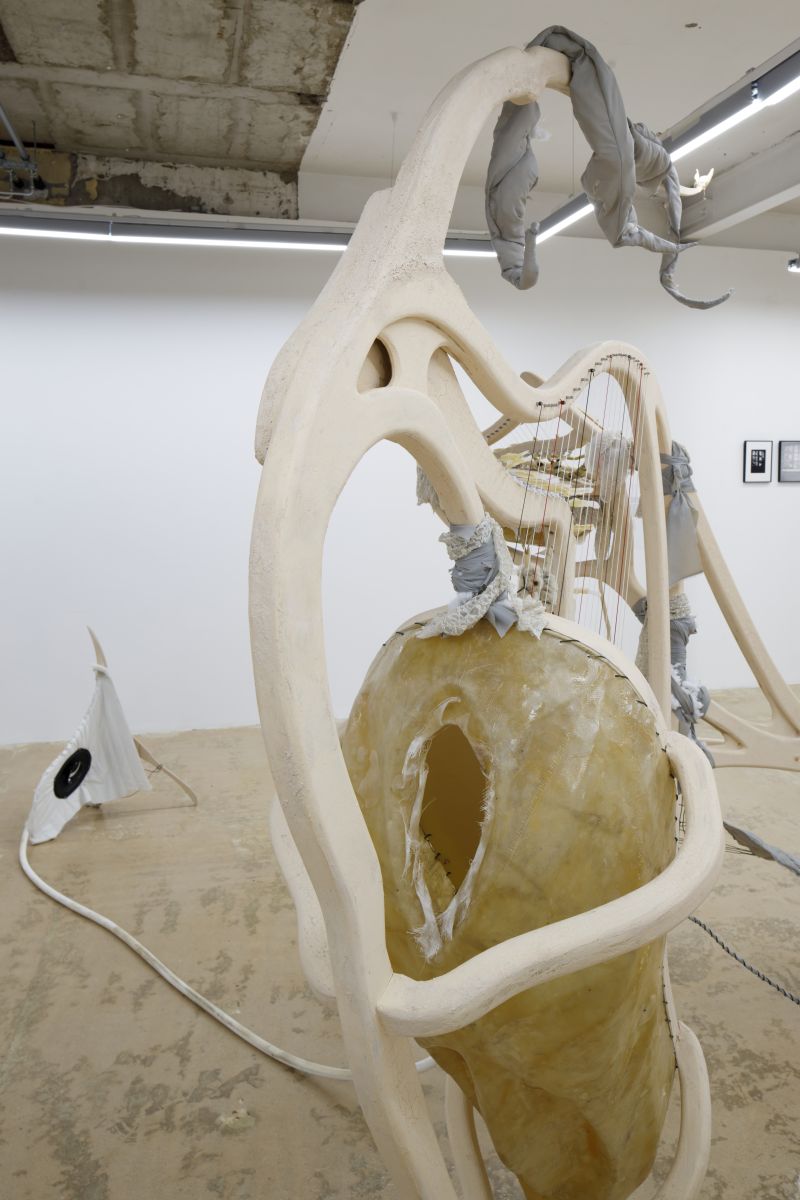
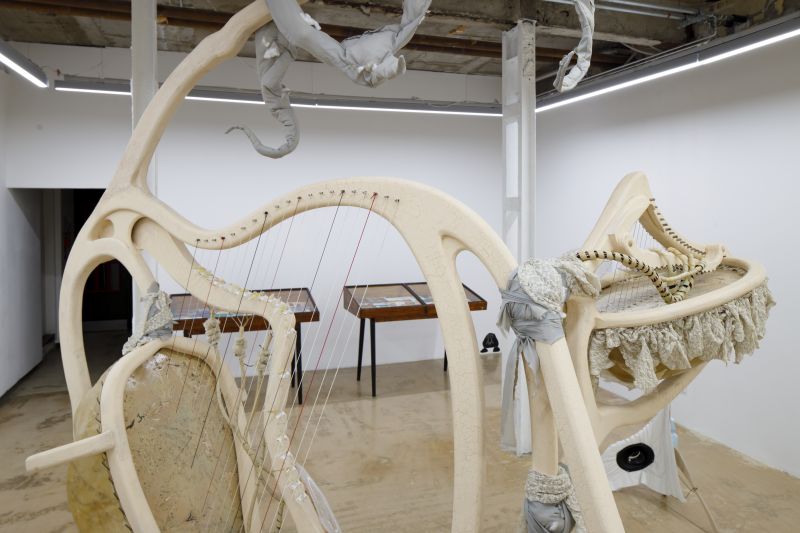
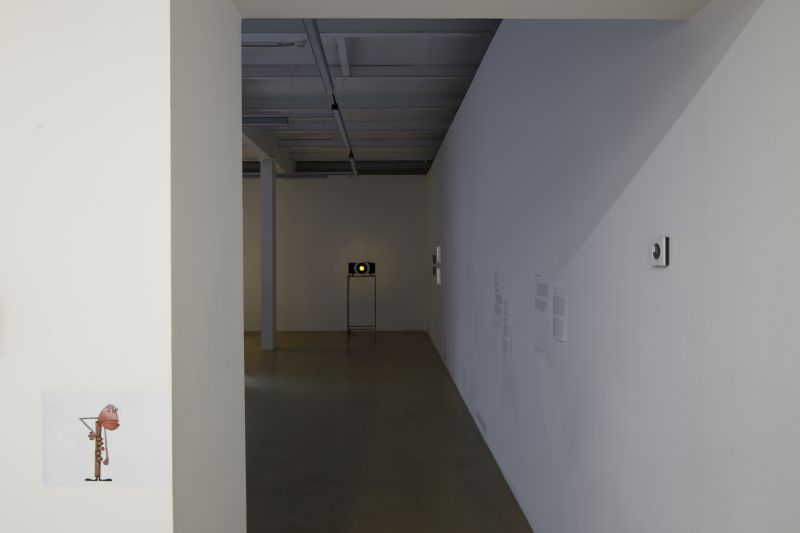
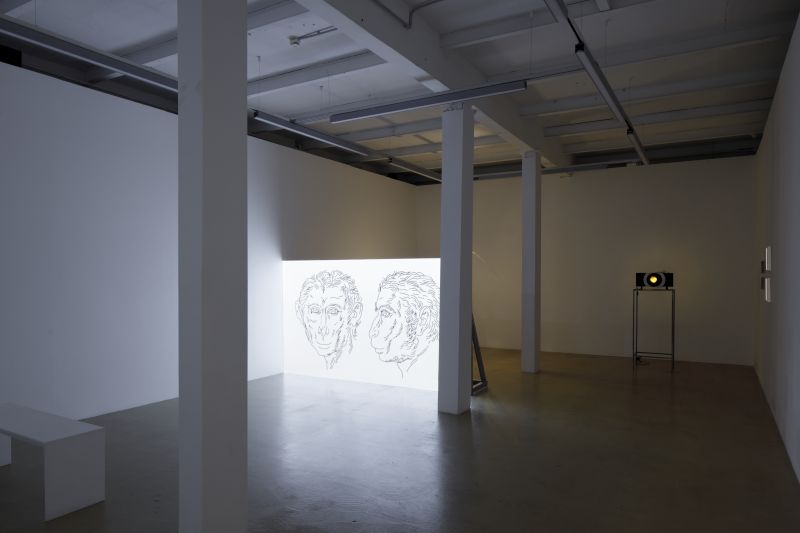
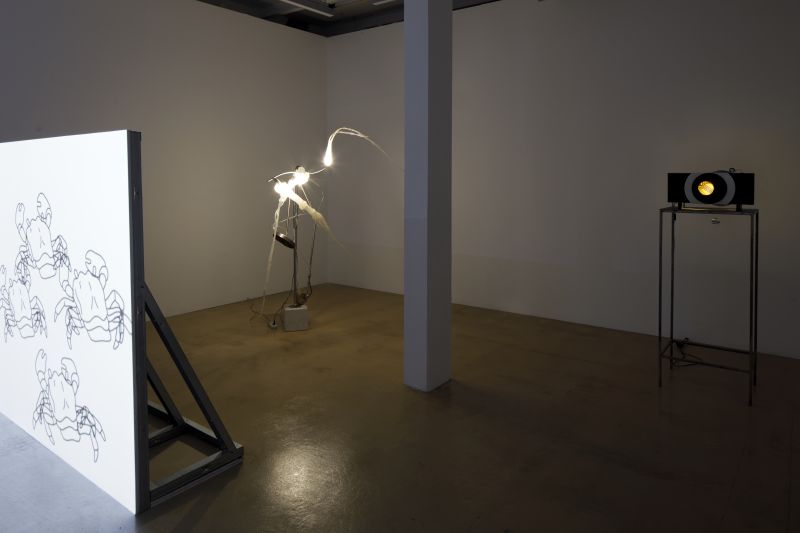
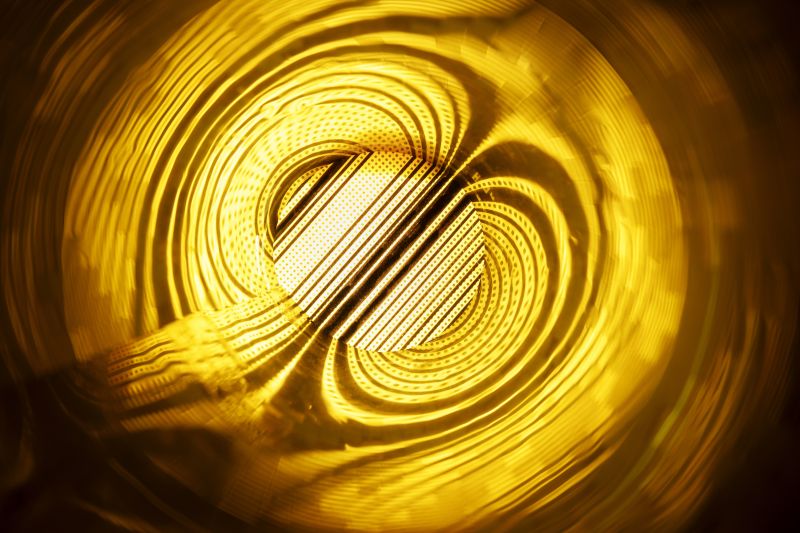
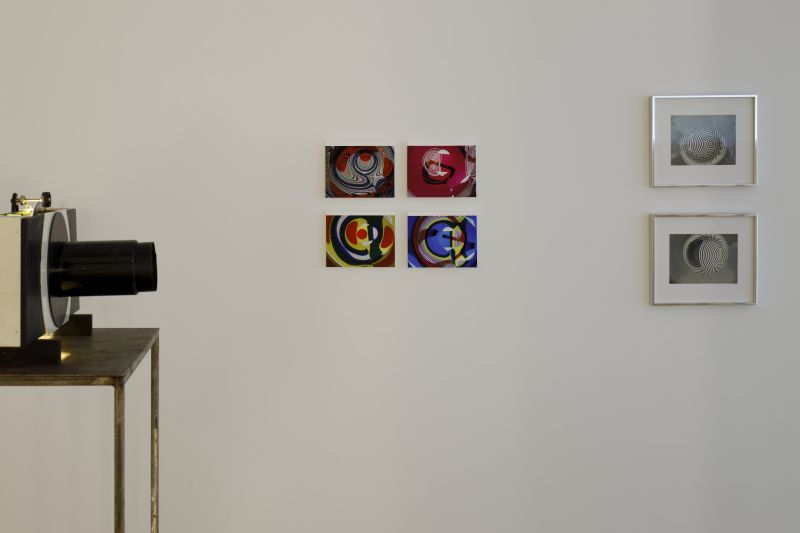
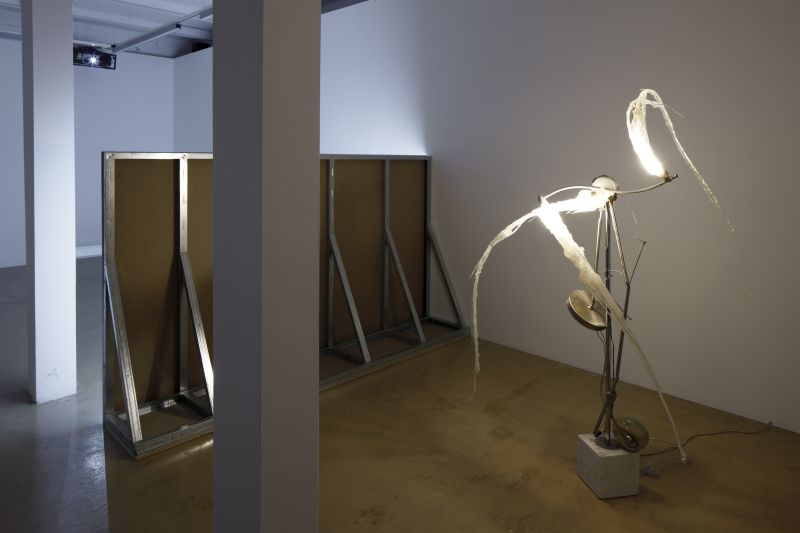
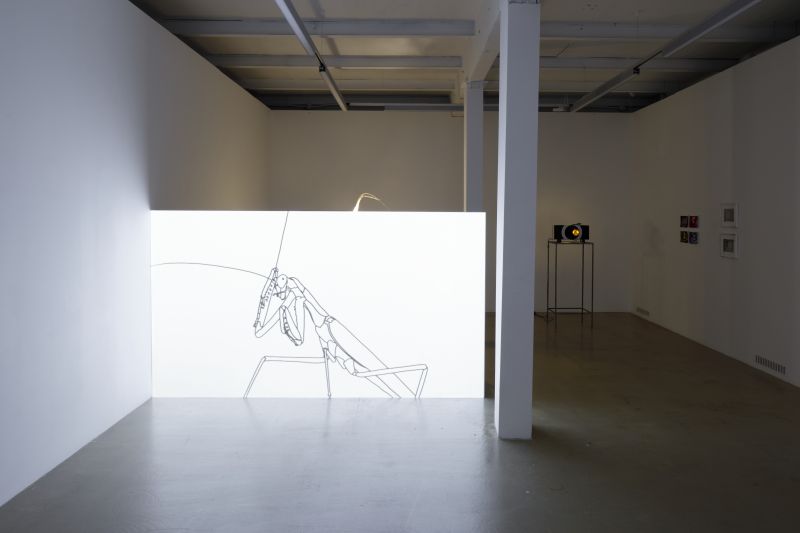
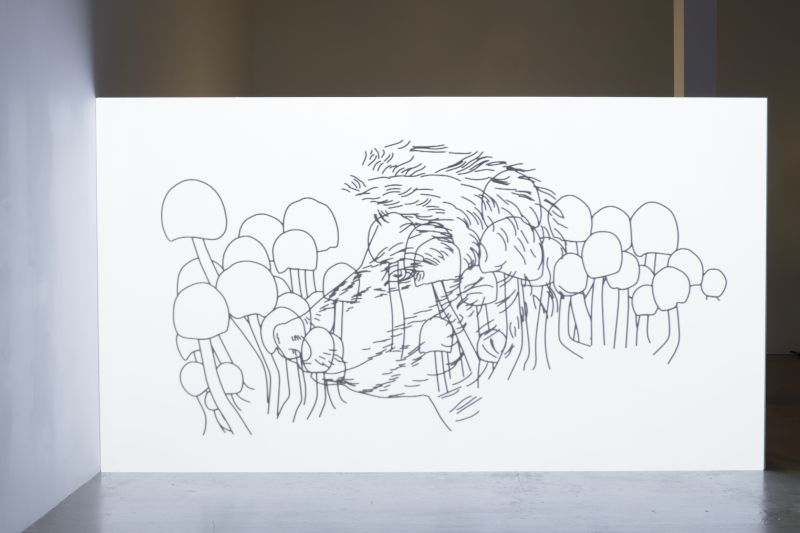
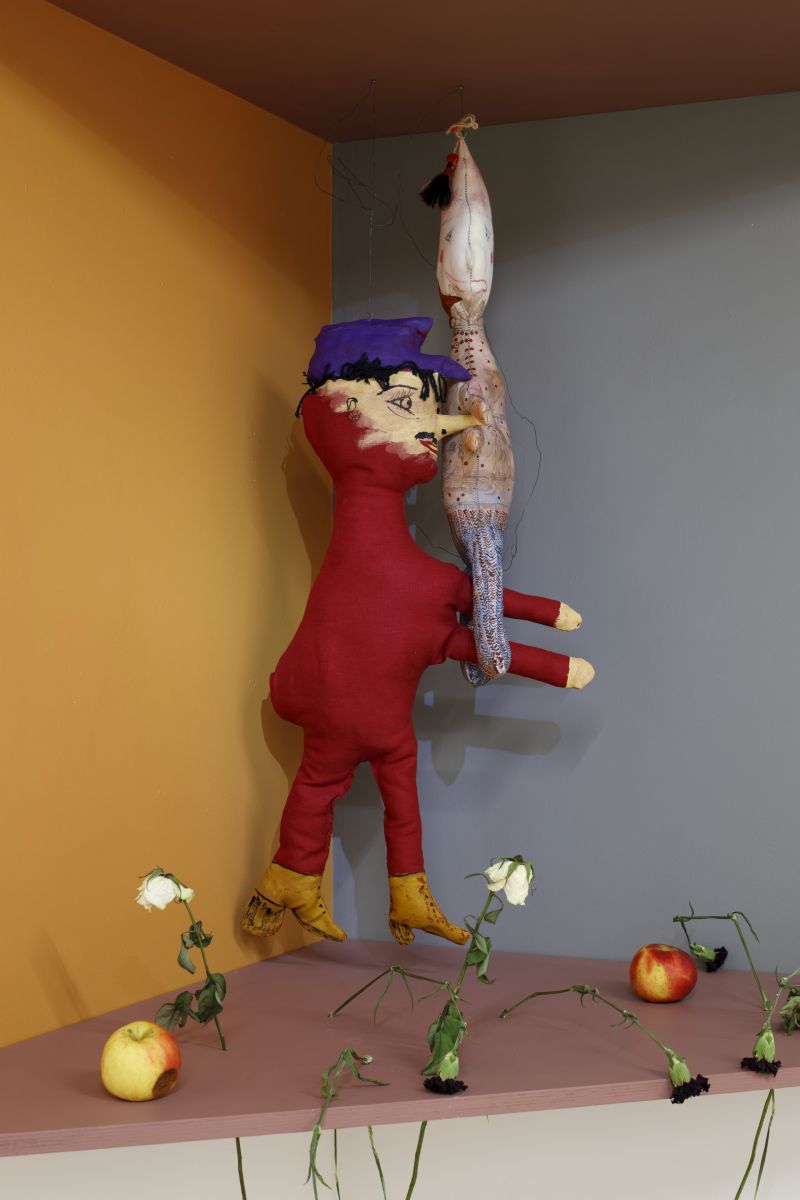
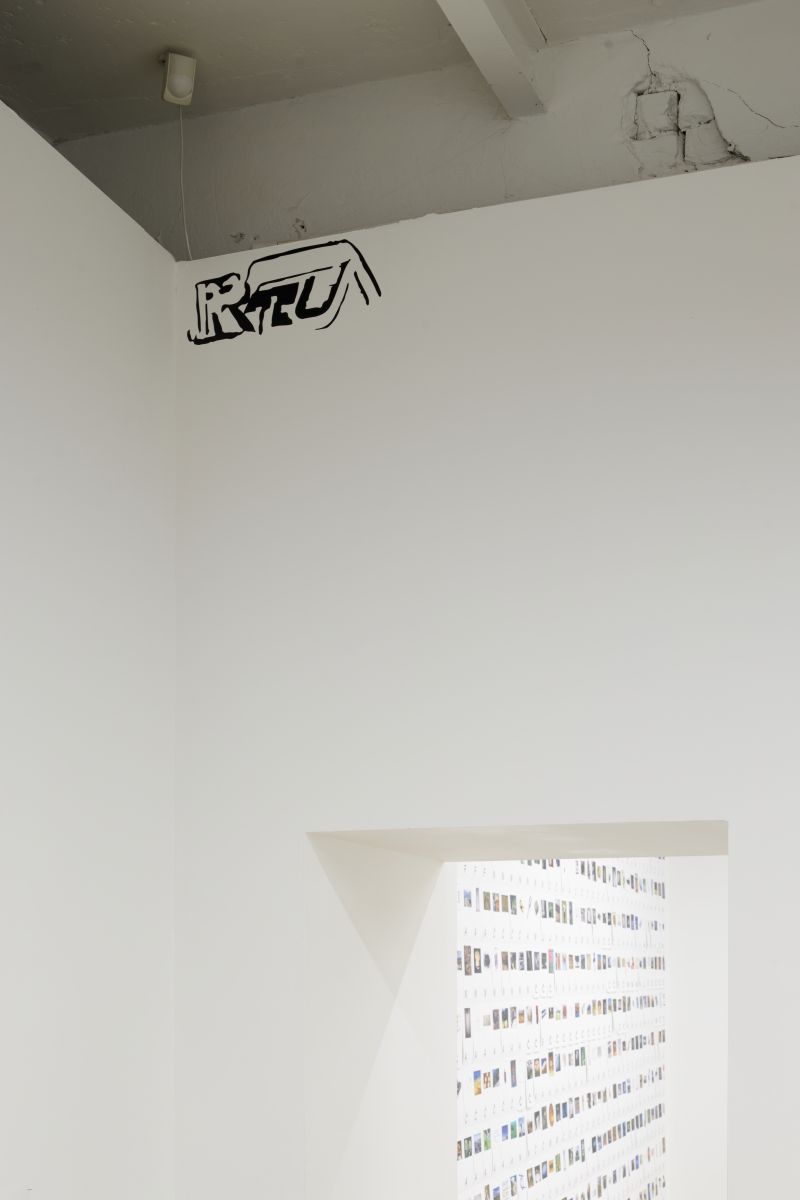
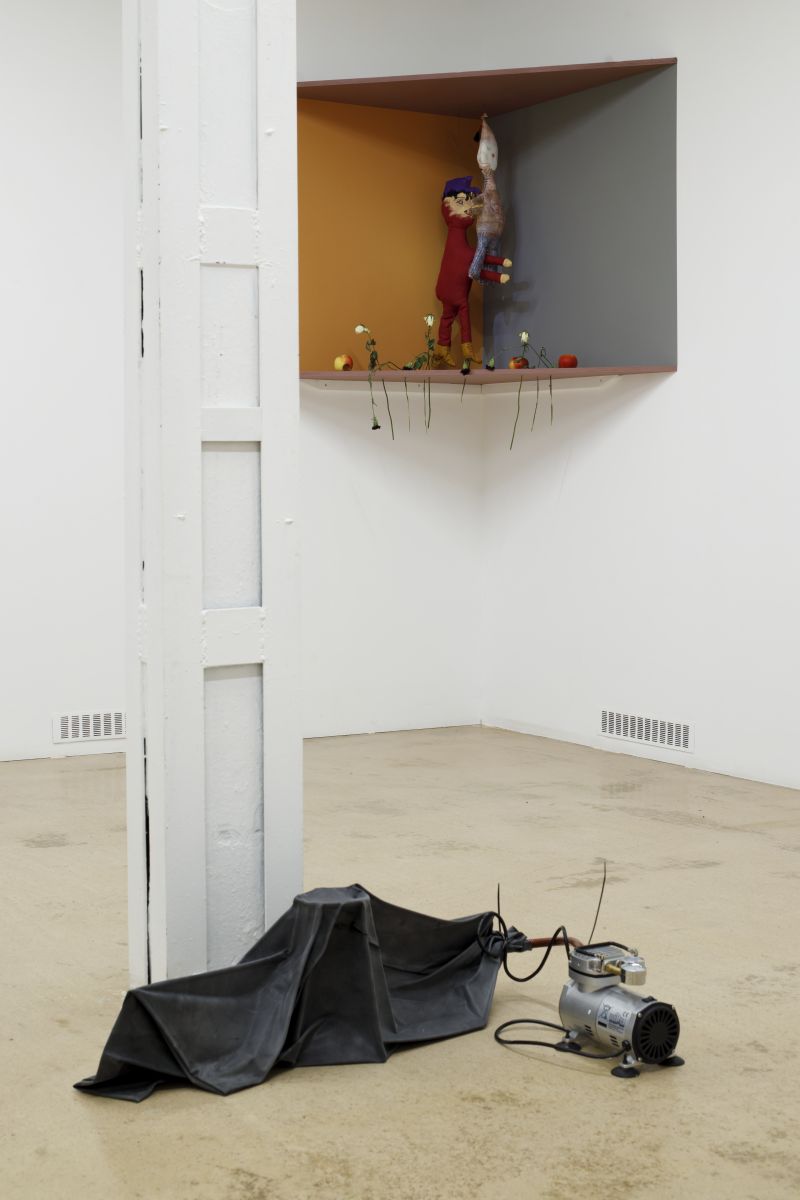
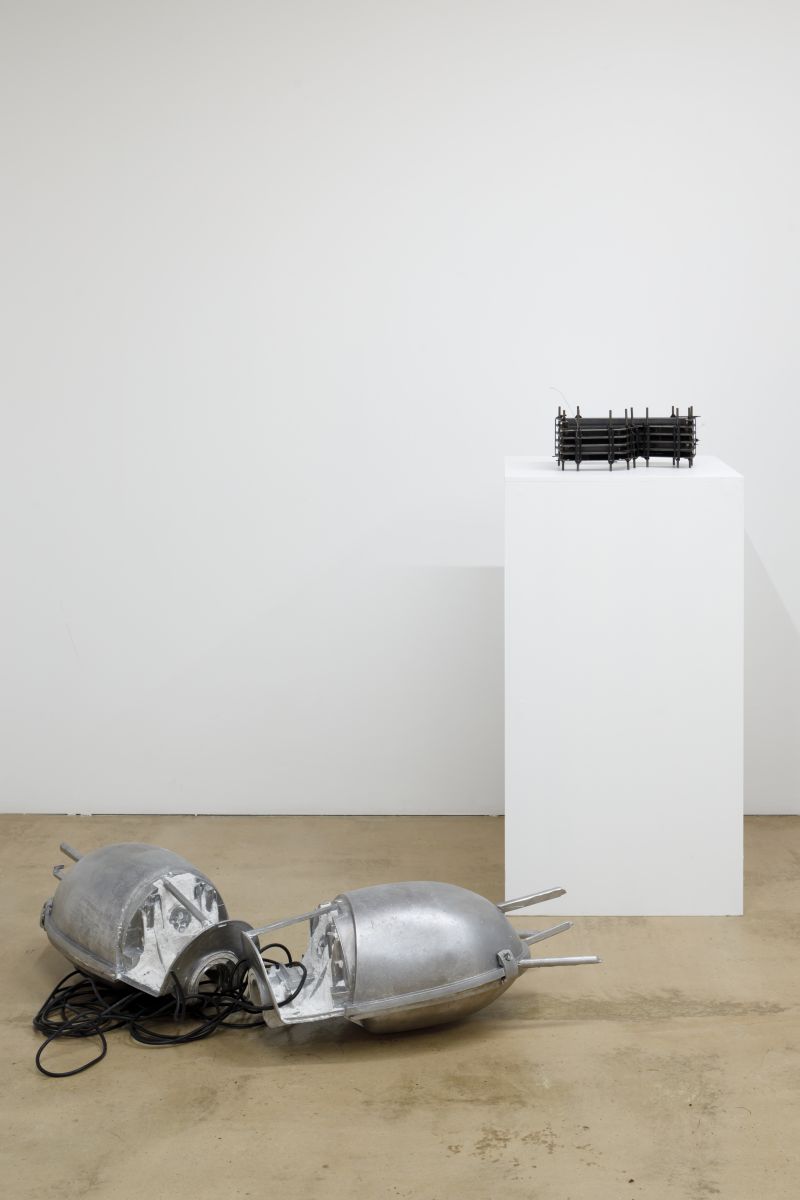
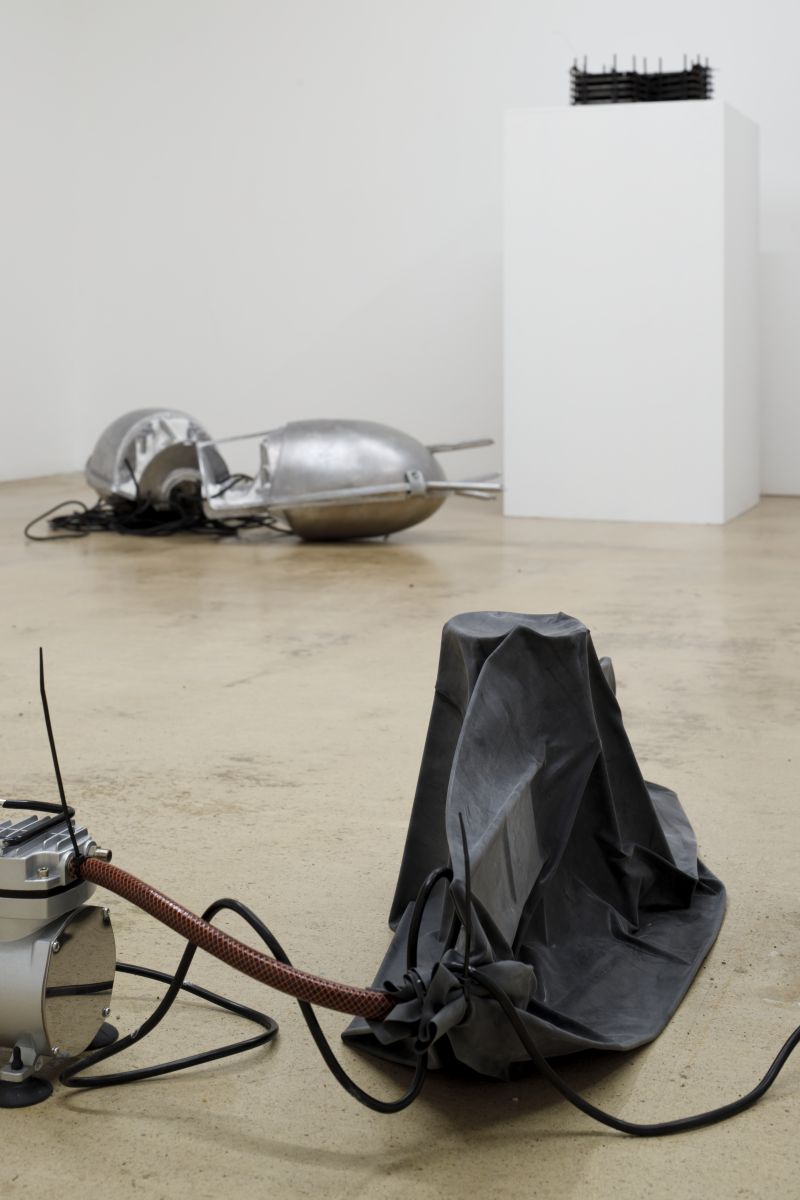
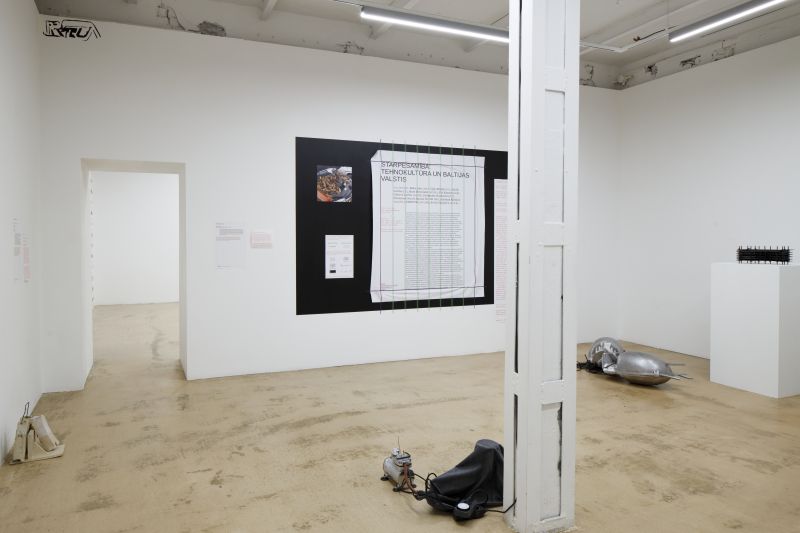
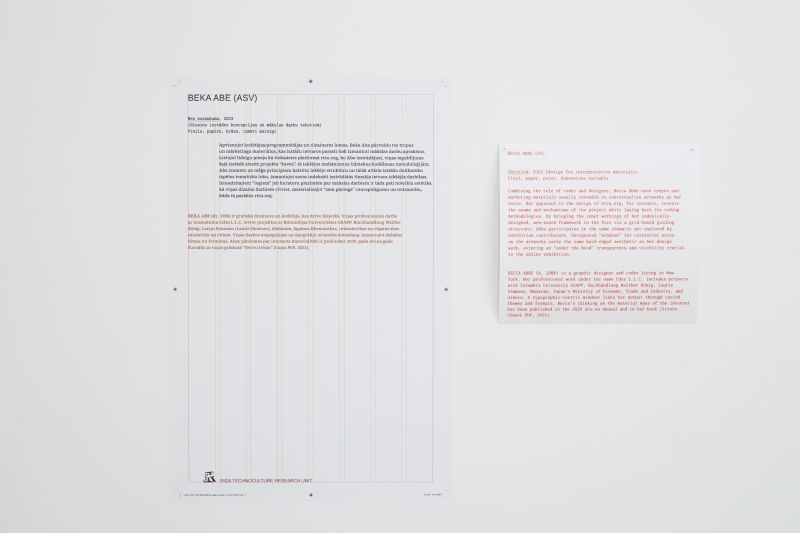
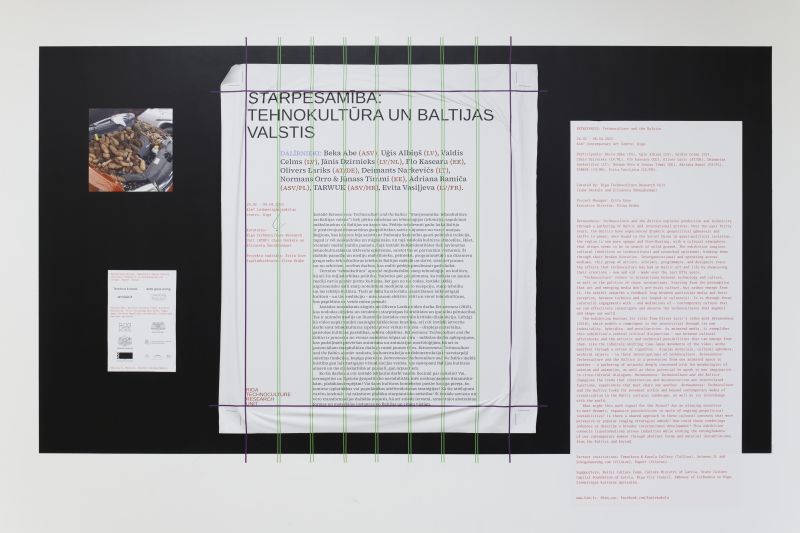
Betweenness: Technoculture and the Baltics explores production and technicity through a gathering of Baltic and international artists. Over the past thirty years, the Baltics have experienced dramatic geopolitical upheavals and shifts in power; once bound to the Soviet Union in quasi-political isolation, the region is now more opaque and free-floating, with a cultural atmosphere that always seems to be in search of solid ground. The exhibition imagines cultural identities as technocultural and networked epistemes, binding them through their broken histories. Intergenerational and operating across mediums, this group of artists, scholars, programmers, and designers trace the effects that technoculture has had on Baltic art and life by showcasing their creations—new and old—made over the last fifty years.
“Technoculture” refers to the interactions between technology and culture, as well as the politics of those interactions. Starting from the presumption that art and emerging media don’t pre-exist culture, but rather emerge from it, the exhibit unearths a feedback loop between particular media and their reception, between technics and its looped-in culture(s). It is through these curatorial engagements with—and mediations of—contemporary culture that we can effectively investigate and observe the technocultures that augment and shape our world.
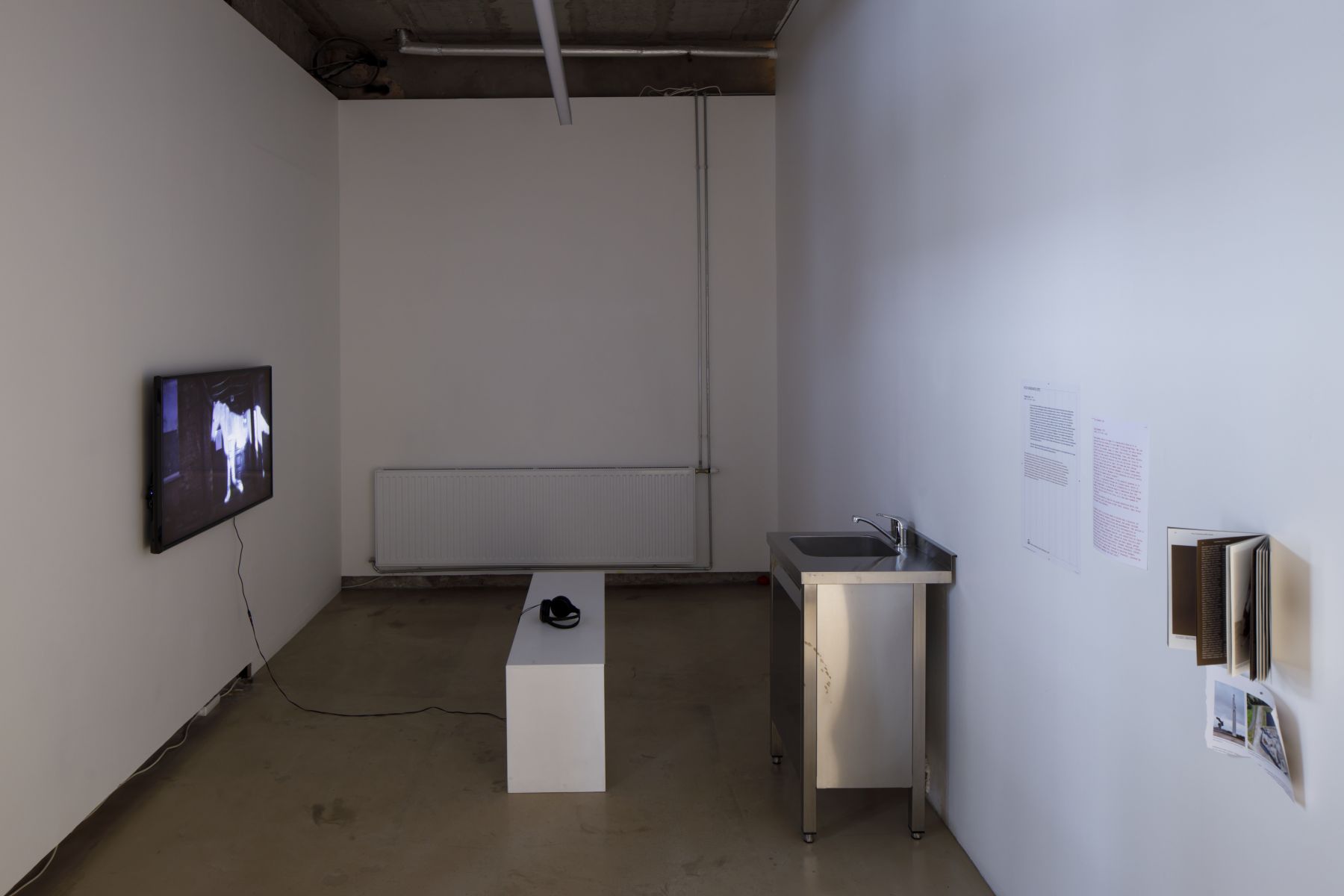
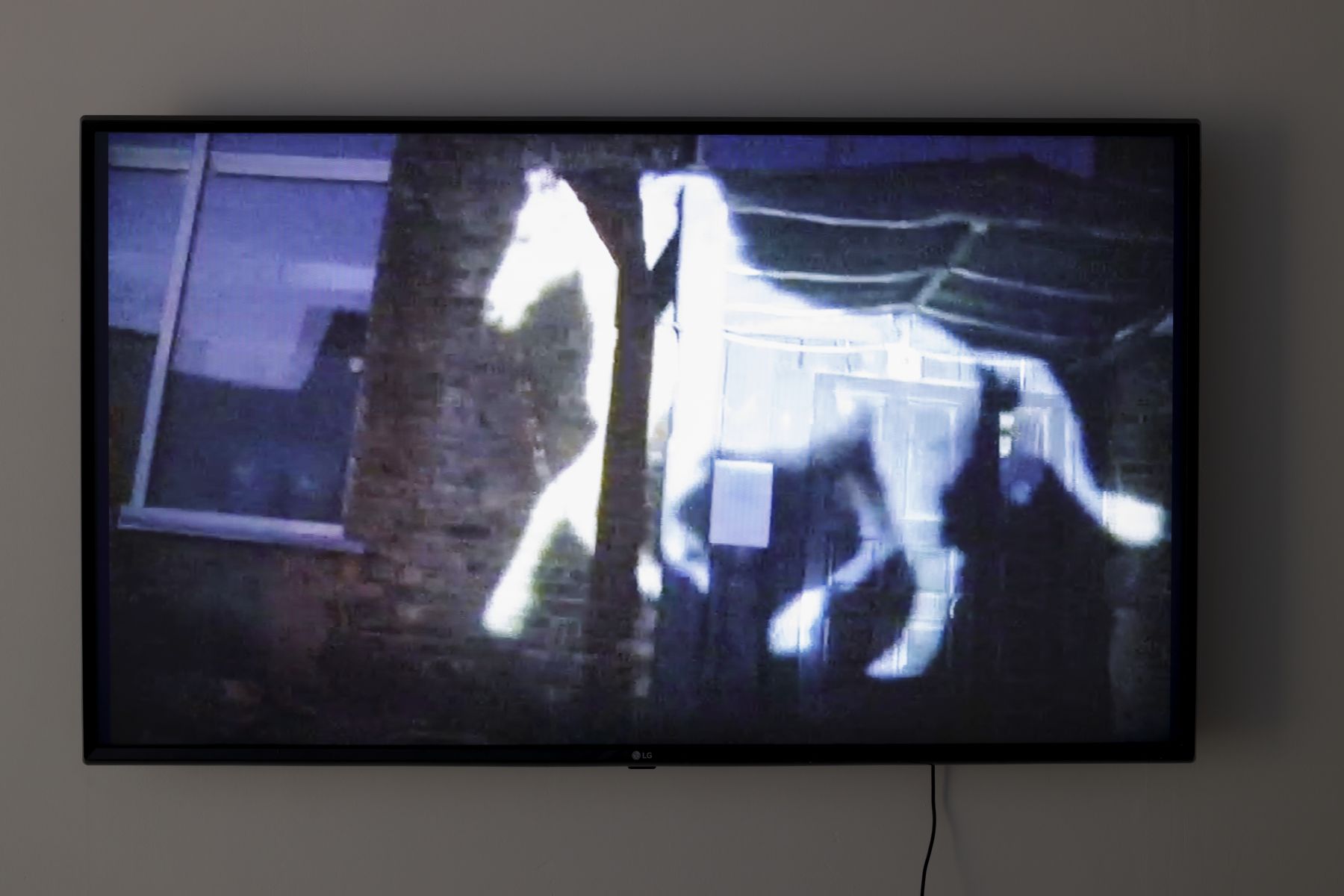
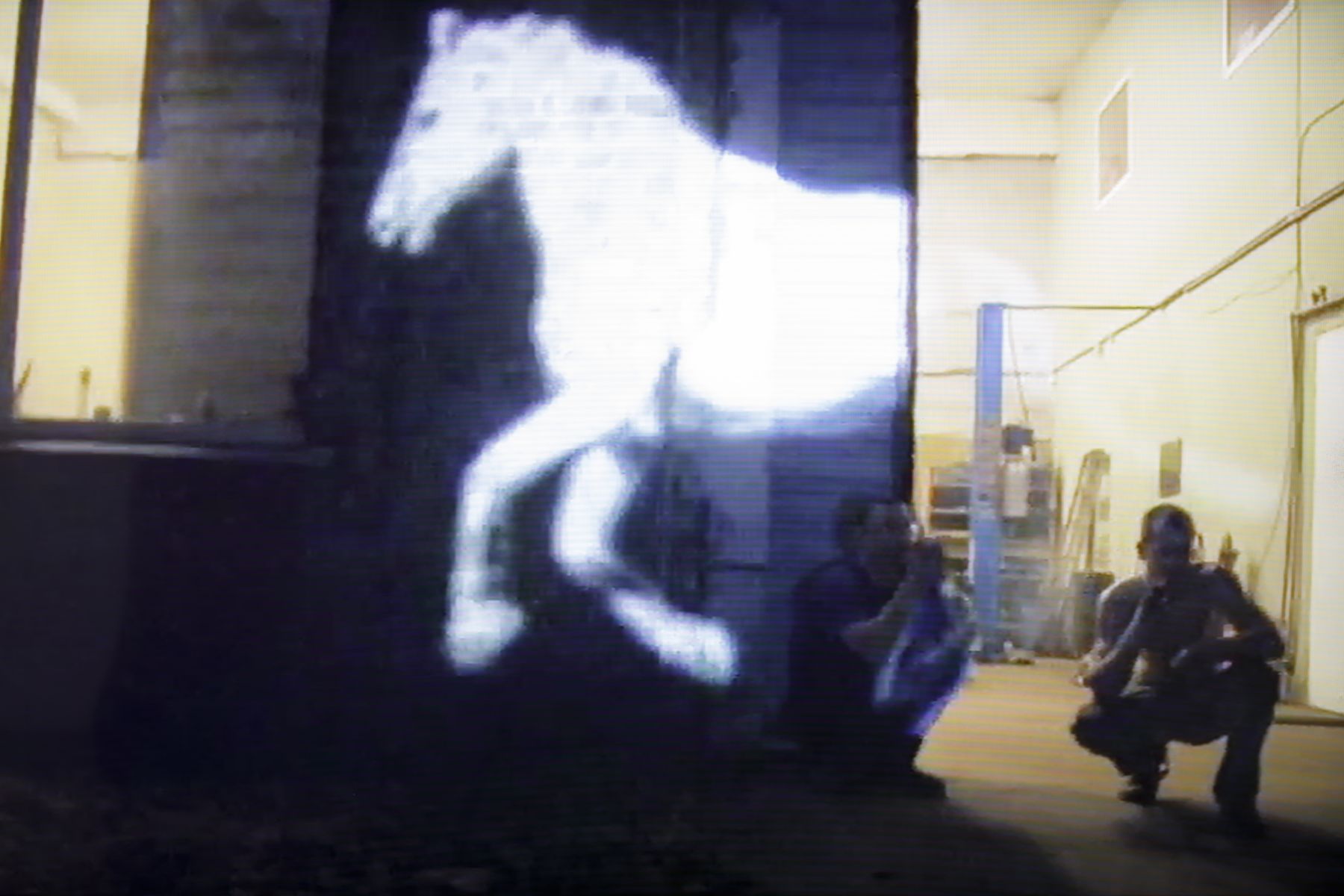
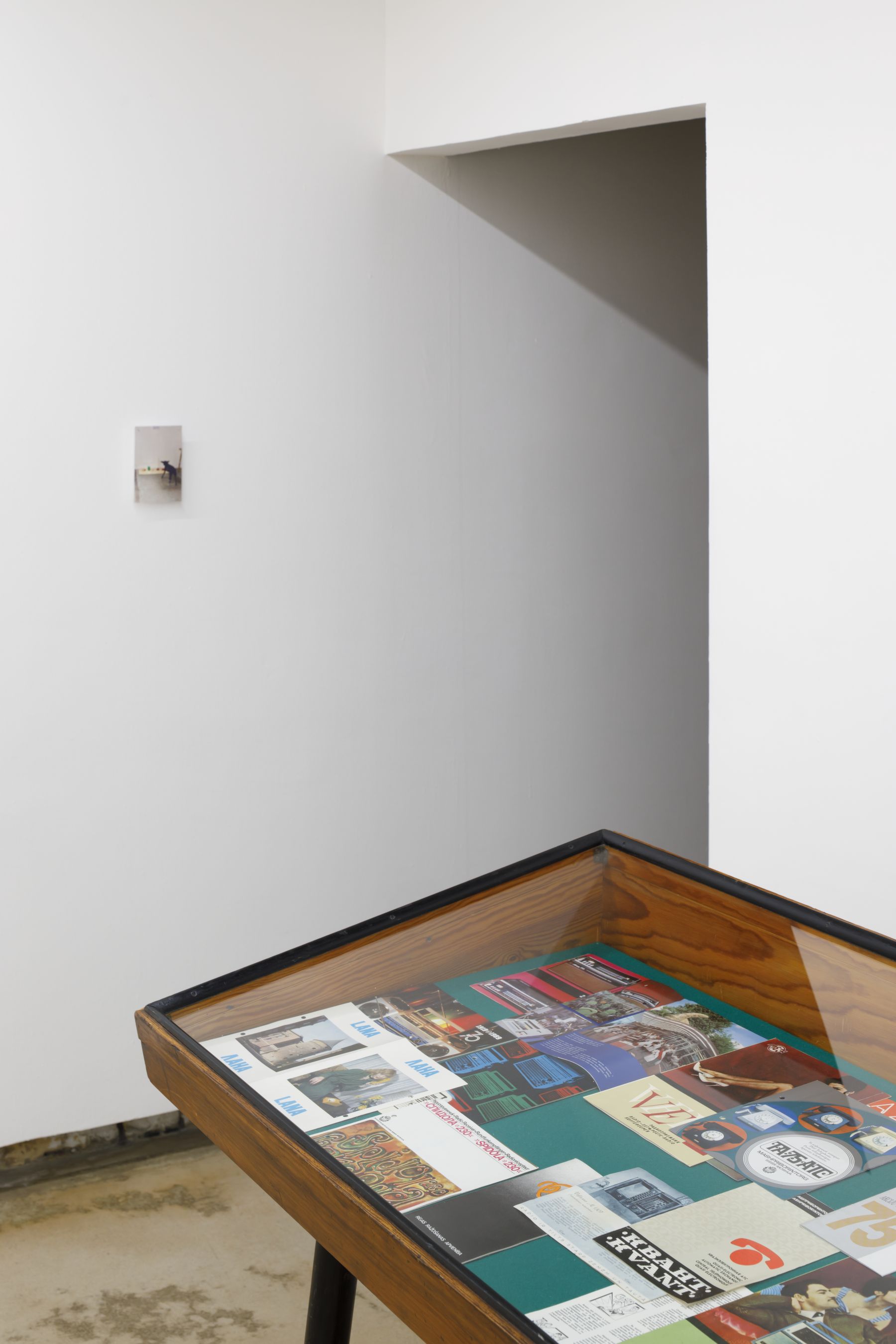
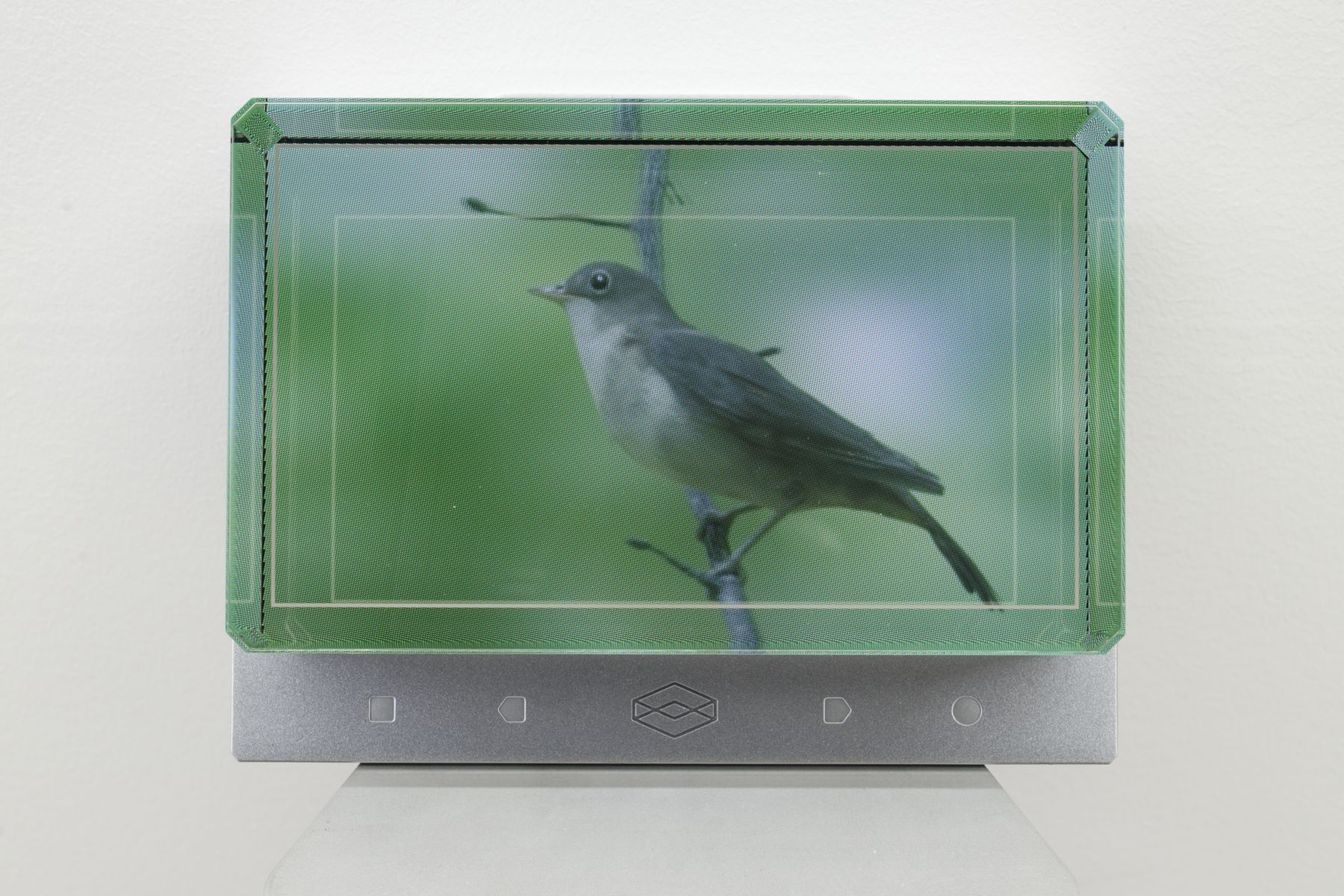
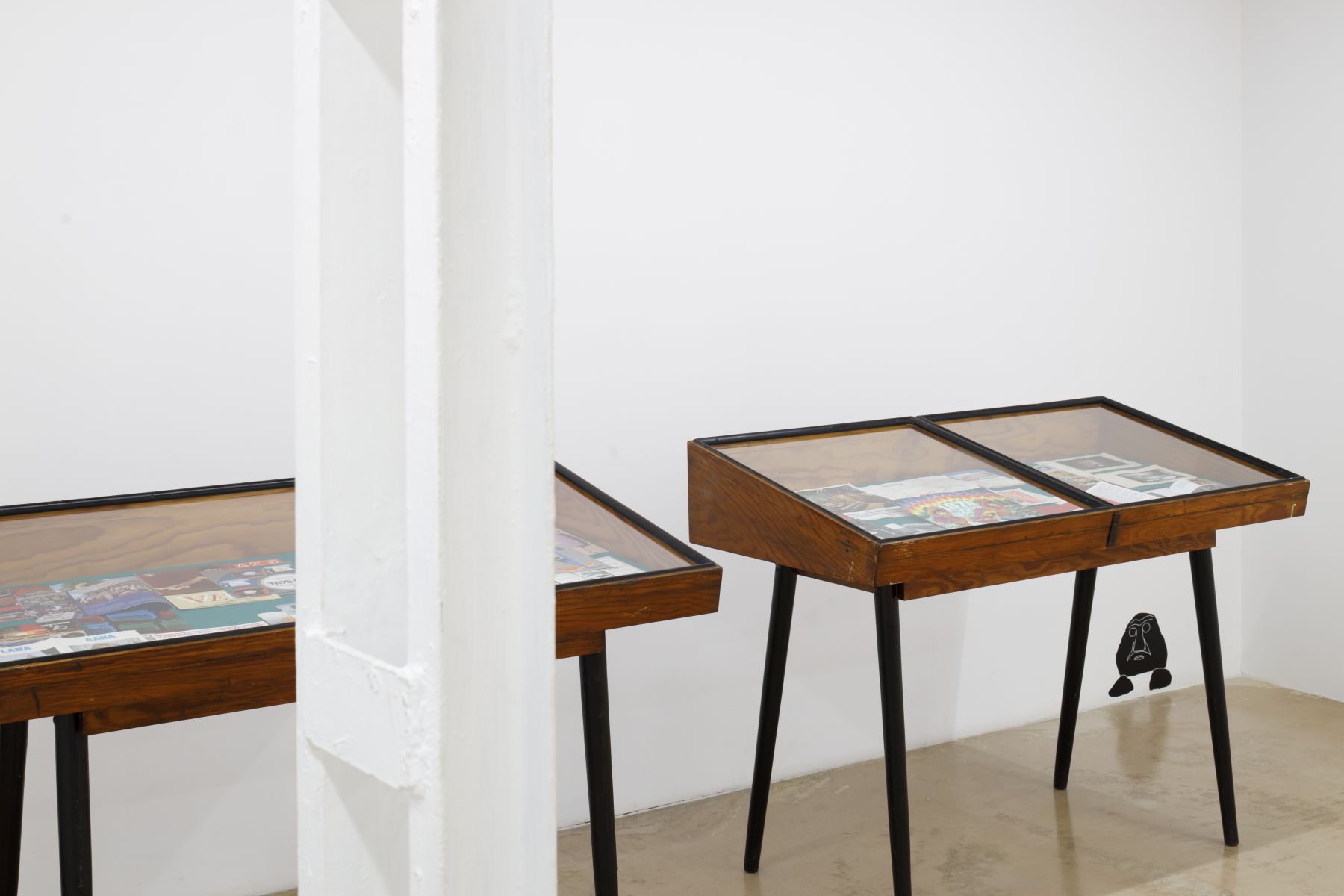
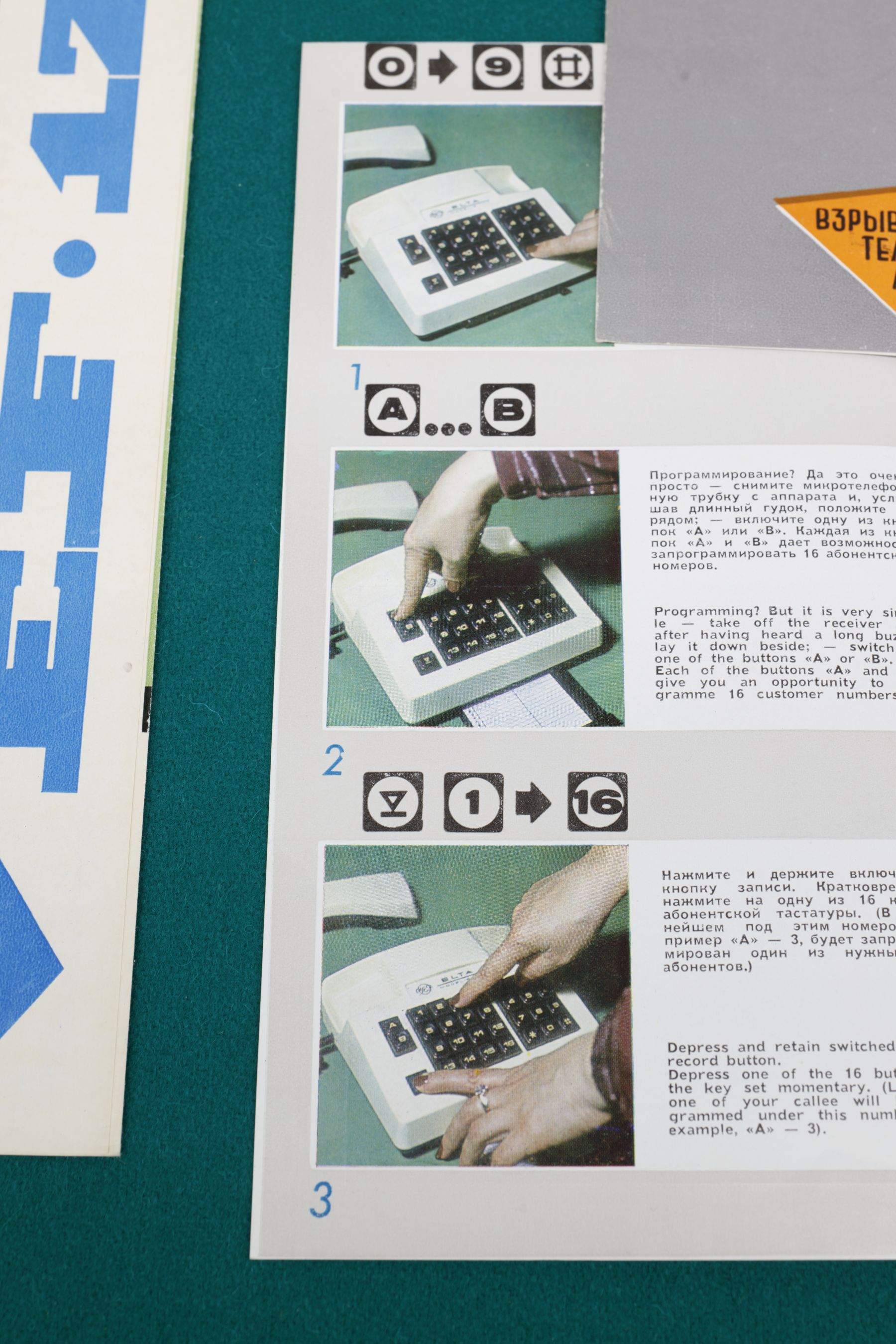
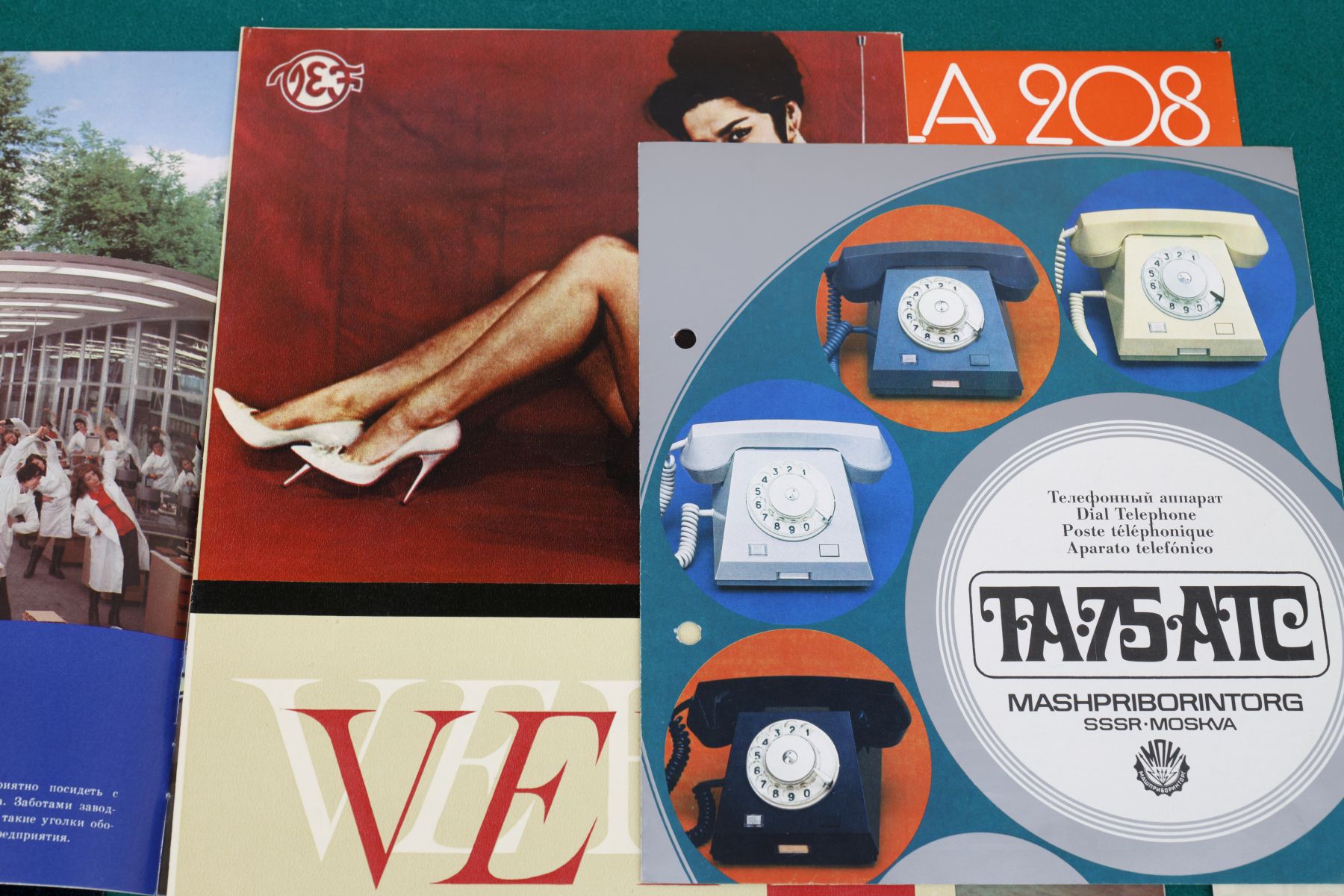
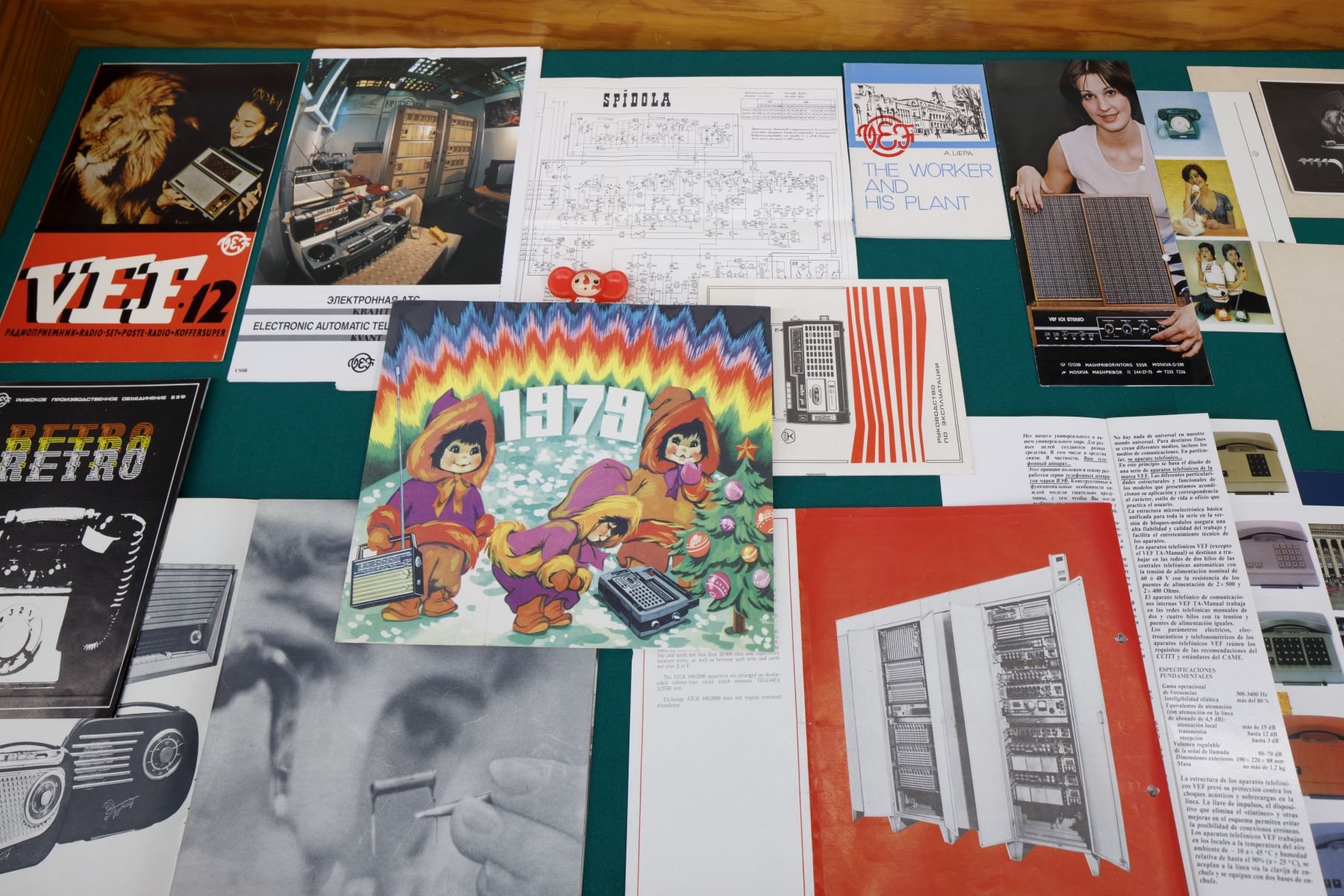
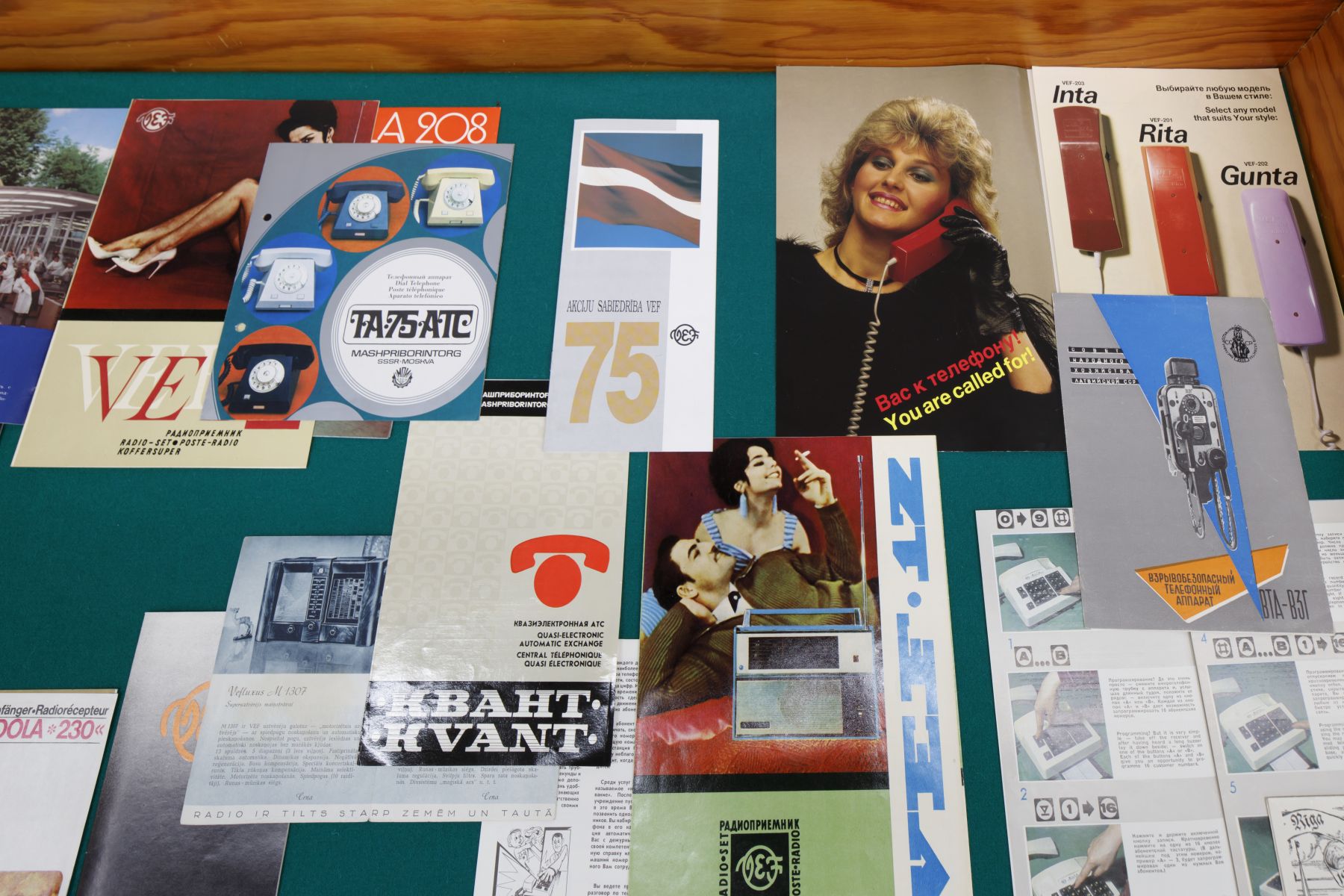
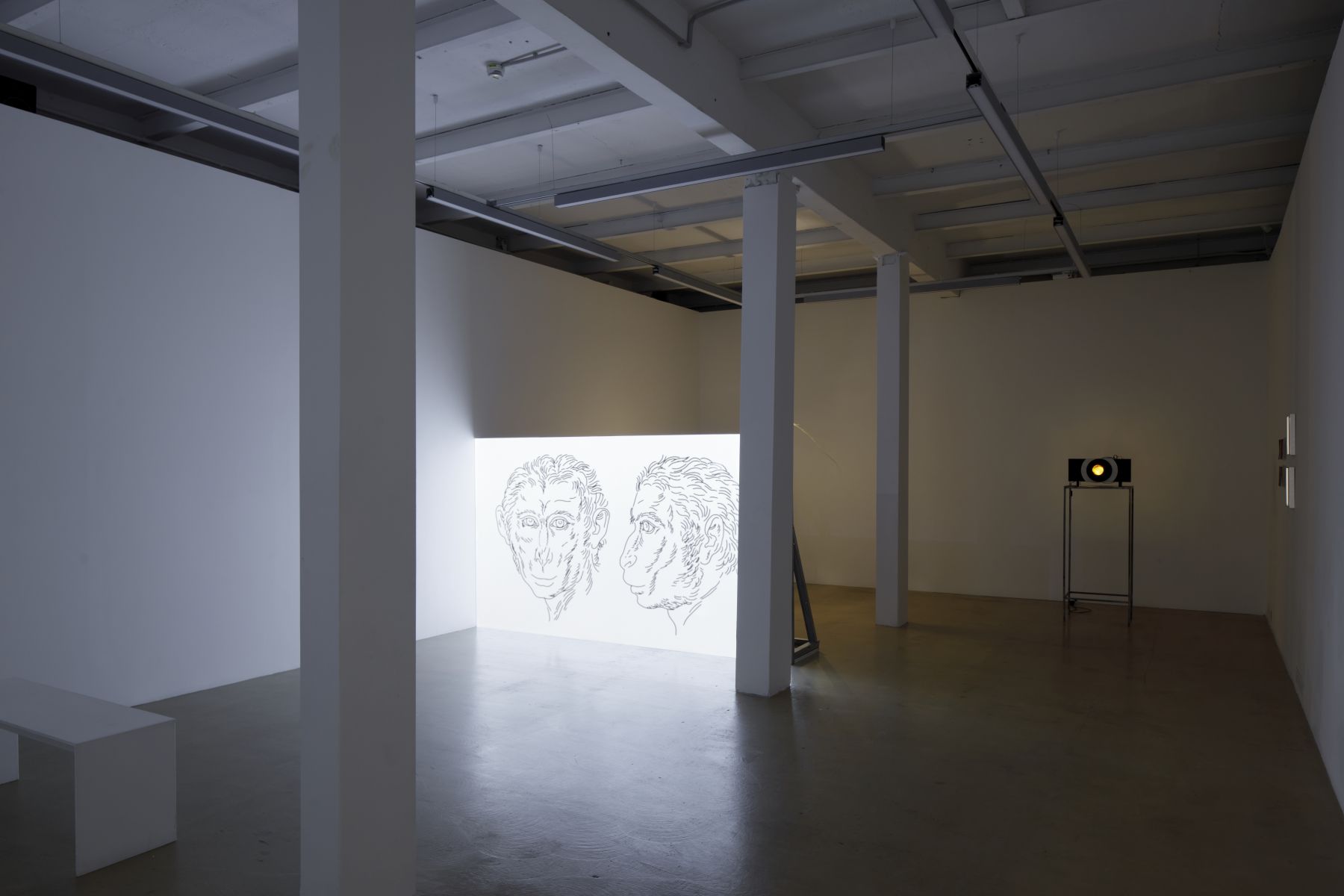
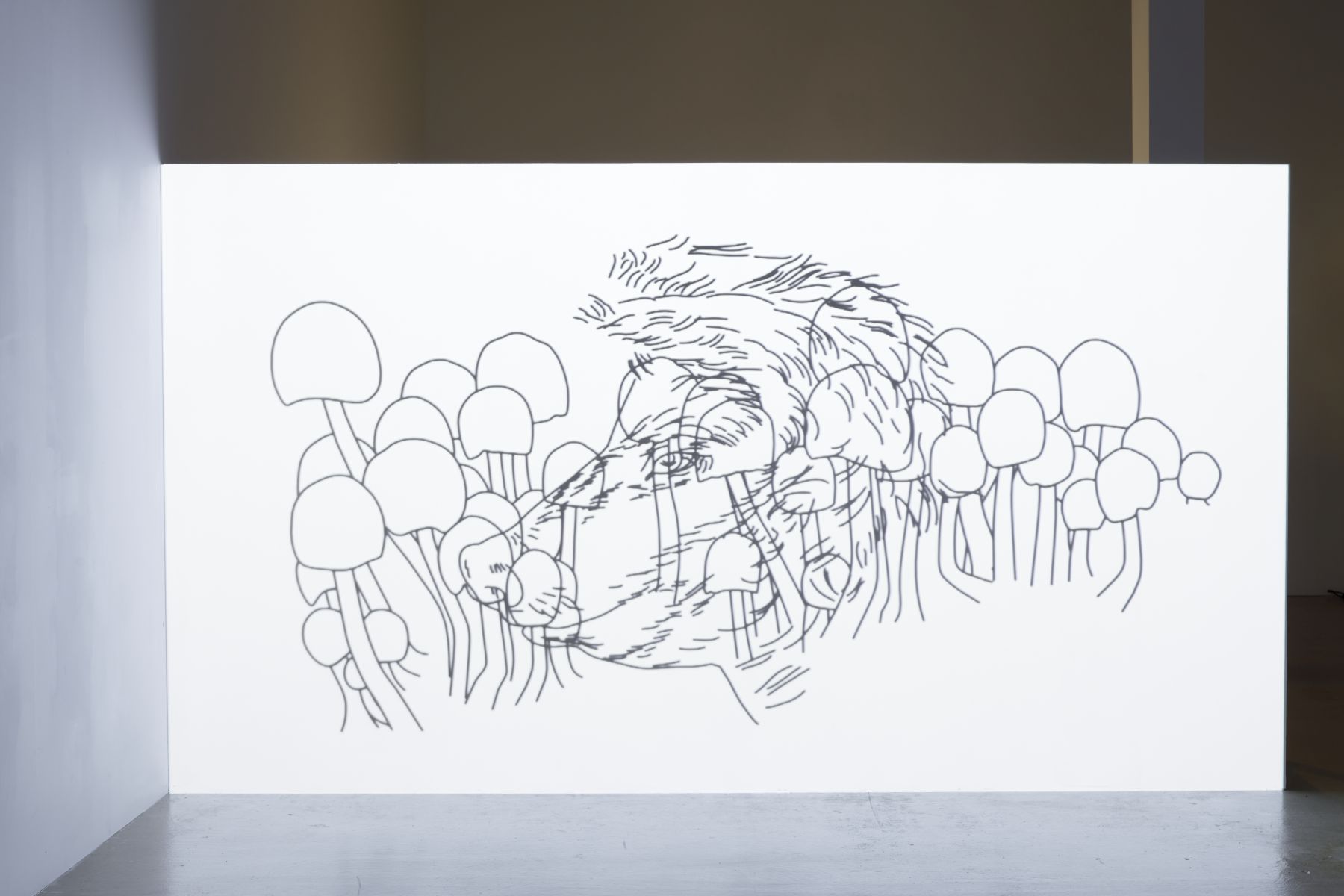
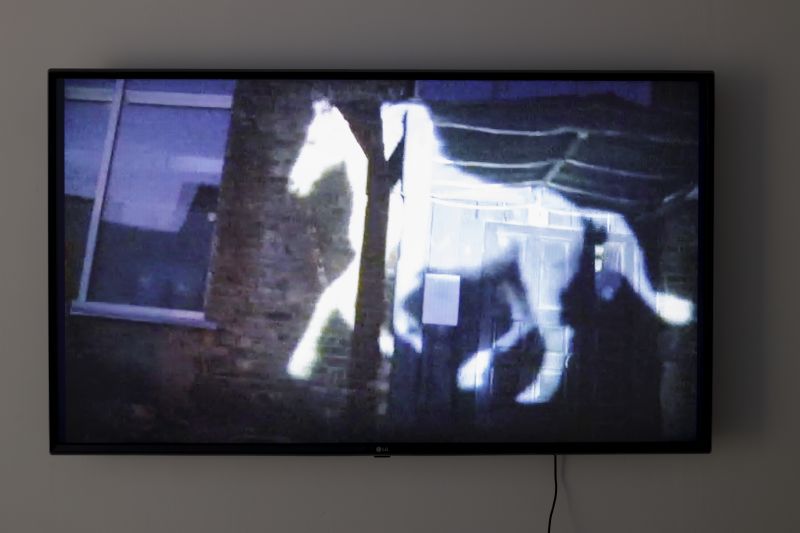
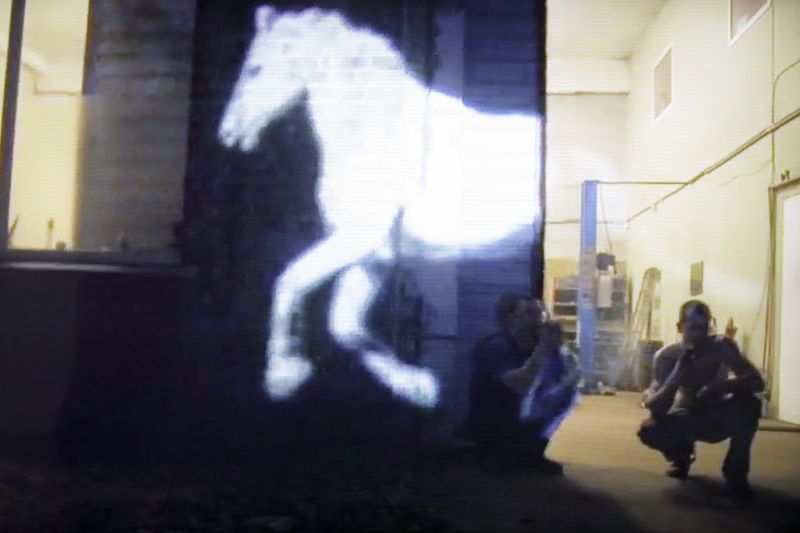
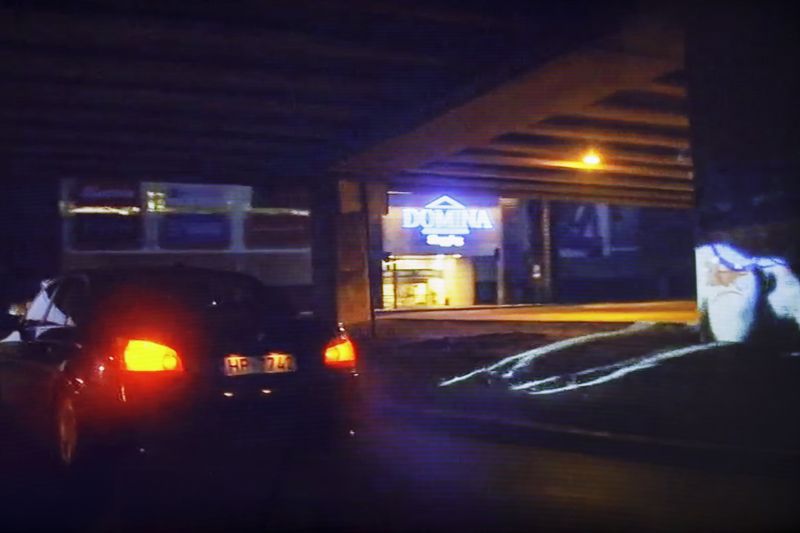
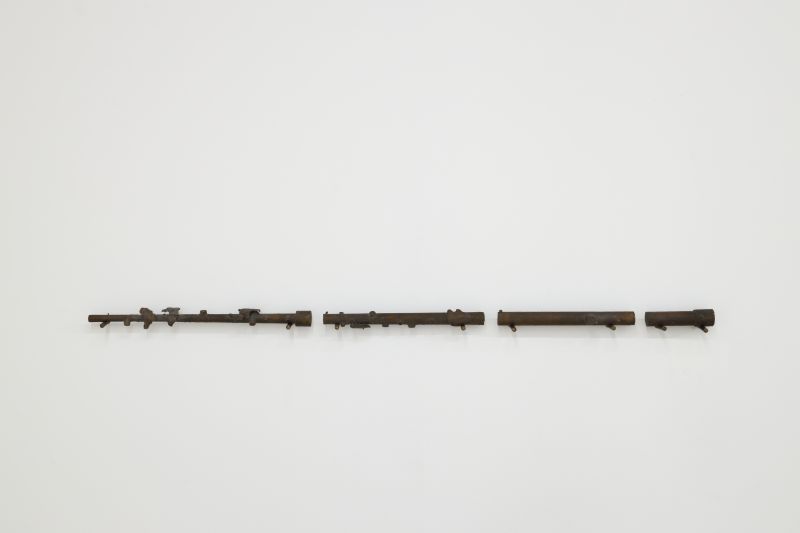
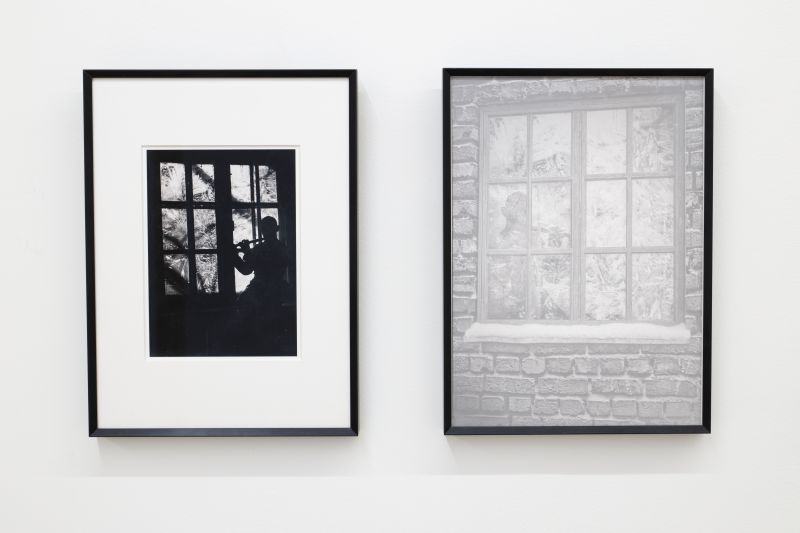
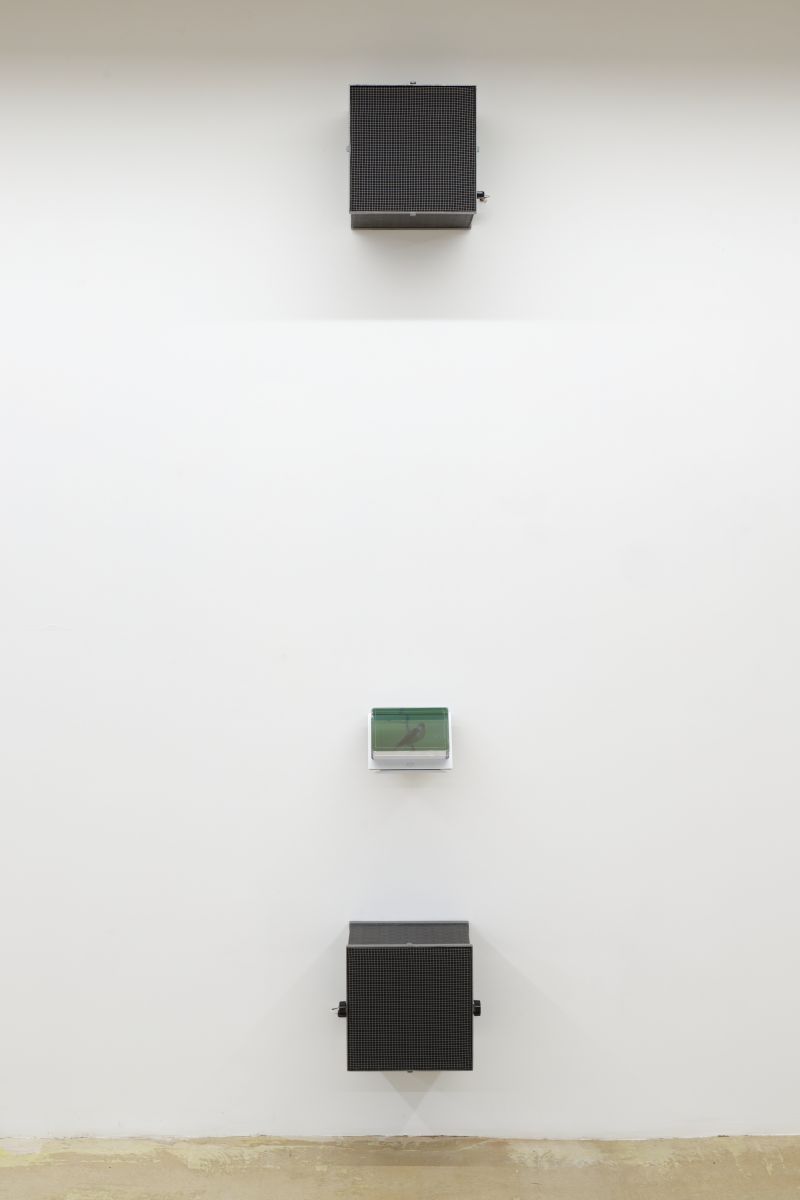
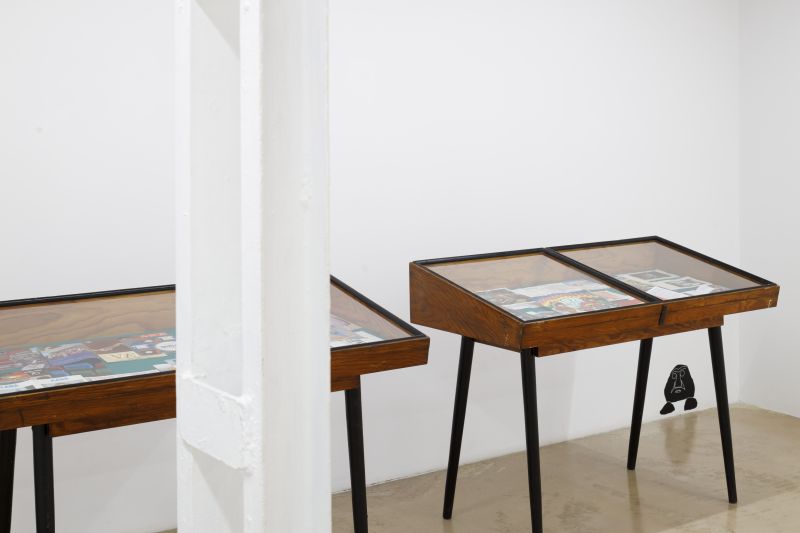
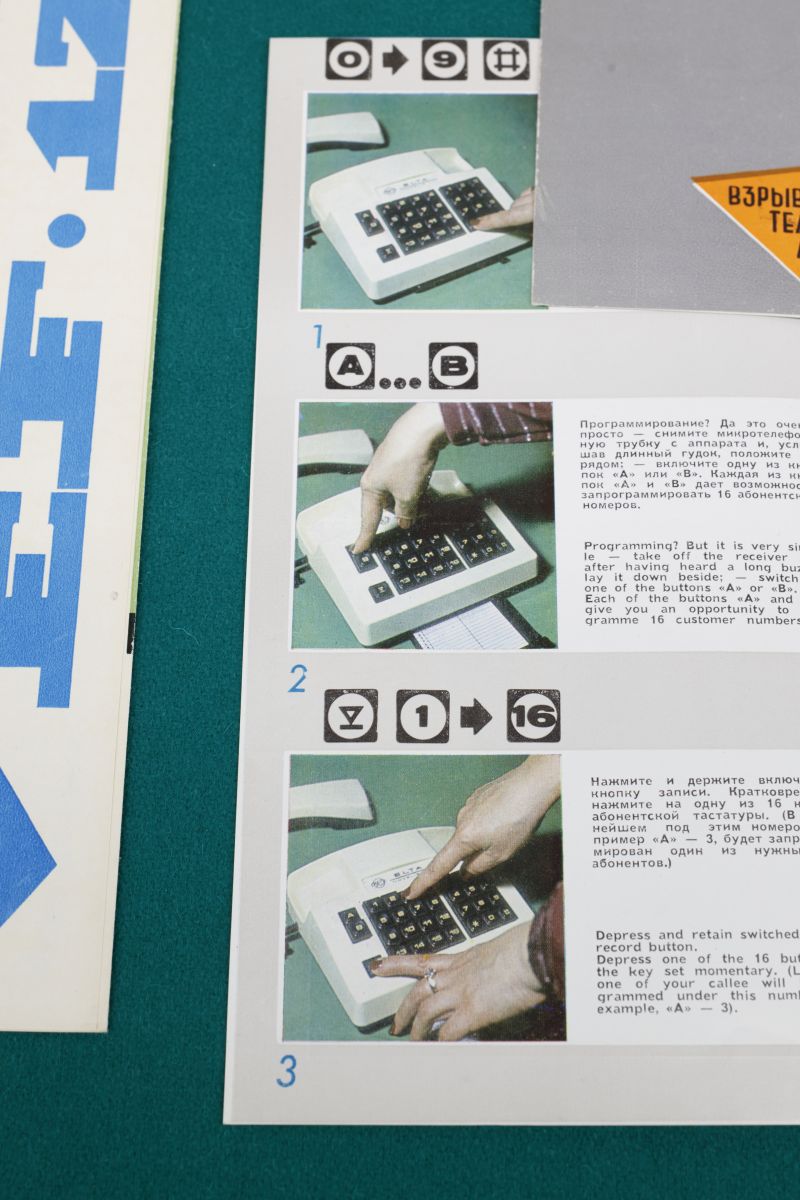
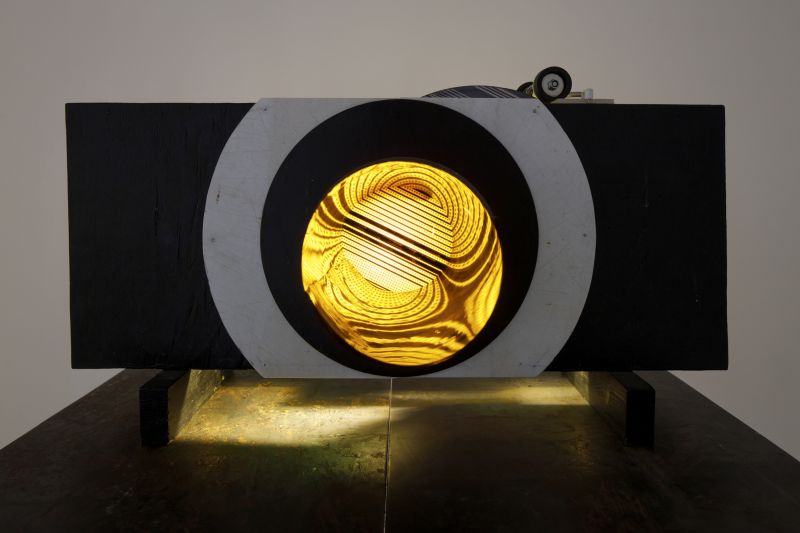
The exhibition borrows its title from Oliver Laric’s video work Betweenness (2018), which models a commitment to the interstitial through its own indexicality, hybridity, and peculiarities. As animated media, it exemplifies this exhibition’s central critical disjunction—one between cultural aftershocks and the artistic and technical possibilities that can emerge from them. Like the infinitely shifting time-lapse movements of the video, works manifest through a series of vignettes—display materials, cultural ephemera, archival objects—in their investigations of technoculture. Betweenness: Technoculture and the Baltics is a procession from one animated space to another—a gathering of artworks deeply concerned with the morphologies of animism and animation, as well as their potential to speak to new imaginaries in cross-cultural dialogues. Betweenness: Technoculture and the Baltics champions the credo that construction and deconstruction are interrelated functions, experiences that must share one another. Betweenness: Technoculture and the Baltics looks for movement within and beyond contemporary modes of visualization in the Baltic cultural landscape, as well as its interchange with the world.
What might this work signal for the future? Are we attuning ourselves to more dynamic, expansive possibilities in spite of ongoing geopolitical instabilities? Is there a shared approach in these cultural contexts that more pervasive or popular imaging strategies embody? How could those renderings influence or describe a broader international development? This exhibition connects transformations across industries while evoking the entanglements of our contemporary moment through abstract forms and material instantiations from the Baltics and beyond.
Izstādē Betweenness: Technoculture and the Baltics (“Starpesamība: tehnokultūra un Baltijas valstis”) tiek pētīta ražošana un tehnoloģijas (tehnicity), sapulcinot māksliniekus no Baltijas un ārpus tās. Pēdējo trīsdesmit gadu laikā Baltija ir piedzīvojusi dramatiskus ģeopolitiskus satricinājumus un varas maiņas. Reģions, kas kādreiz bija saistīts ar Padomju Savienību quazi-politiskā izolācijā, tagad ir vēl neskaidrāks un miglaināks, un tajā valdošā kultūras atmosfēra, šķiet, vienmēr meklē stabilu pamatu. Šajā izstādē kultūridentitātes tiek savienotas tehnokulturālās un tīklveida epistēmās, saistot tās ar pārrautām vēsturēm. Šī dažādu paaudžu un mediju mākslinieku, pētnieku, programmētāju un dizaineru grupa seko tehnokultūras ietekmei Baltijas mākslā un dzīvē, izstādot jaunus un no arhīviem izceltus darbus, kas radīti pēdējo piecdesmit gadu laikā.
Termins “tehnokultūra” apzīmē mijiedarbību starp tehnoloģiju un kultūru, kā arī šīs mijiedarbības politiku. Vadoties pēc pieņēmuma, ka māksla un jaunie mediji nevis pastāv pirms kultūras, bet gan no tās rodas, izstāde atklāj atgriezenisko saiti starp noteiktiem medijiem un to recepciju, starp tehniku un tās iekšējo kultūru. Tieši ar šādu kuratoriālu iesaistīšanos laikmetīgajā kultūrā – un tās mediāciju – mēs varam efektīvi pētīt un vērot tehnokultūras, kas papildina un veido mūsu pasauli.
Izstādes nosaukums aizgūts no Olivera Larika video darba Betweenness (2018), kas nododas objektu un struktūru starptelpas hibriditātes un īpatnību pētniecībai. Tas ir animēts medijs un ilustrē šīs izstādes centrālo kritisko disjunkciju. Līdzīgi kā video nepārtraukti mainīgās laiklēcienu kustības, arī citi izstādē ietvertie darbi savā tehnokultūras izpētē aptver virkni vinješu – displeja materiālus, gaistošas kultūras parādības, arhīva objektus. Betweenness: Technoculture and the Baltics ir procesija no vienas animētas telpas uz otru – mākslas darbu apkopojums, kas padziļināti pievēršas animisma un animācijas morfoloģijām, kā arī to potenciālam starpkultūru dialogā runāt jaunos tēlos. Betweenness: Technoculture and the Baltics aizstāv uzskatu, ka konstrukcija un dekonstrukcija ir savstarpēji saistītas funkcijas, kopīga pieredze. Betweenness: Technoculture and the Baltics meklē kustību gan laikmetīgajos vizualizācijas veidos, kas sastopami Baltijas kultūras ainavā un tās mijiedarbībā ar pasauli, gan ārpus tiem.
Ko šis darbs un citi izstādē iekļautie darbi varētu liecināt par nākotni? Vai, neraugoties uz ilgstošu ģeopolitisko nestabilitāti, mēs noskaņojamies dinamiskākām, plašākām iespējām? Vai šajos kultūras kontekstos pastāv kopīga pieeja, ko iemieso izplatītākas vai populārākas attēlveidošanas stratēģijas? Kā šie attēlojumi varētu ietekmēt vai raksturot plašāku starptautisko attīstību? Šī izstāde savieno un vēro transformācijas dažādās nozarēs, kā arī sniedz ierosmi, izmantojot abstraktas formas un materiālas instances no Baltijas un citām vietām.

Press Release (English)
Preses relīze (angliski)
Press Release (Latvian)
Preses relīze (latviski)
Works List (English)
Darbu saraksts (angliski)
Works List (Latvian)
Darbu saraksts (latviski)
[1]
[2]
[3]
[4]
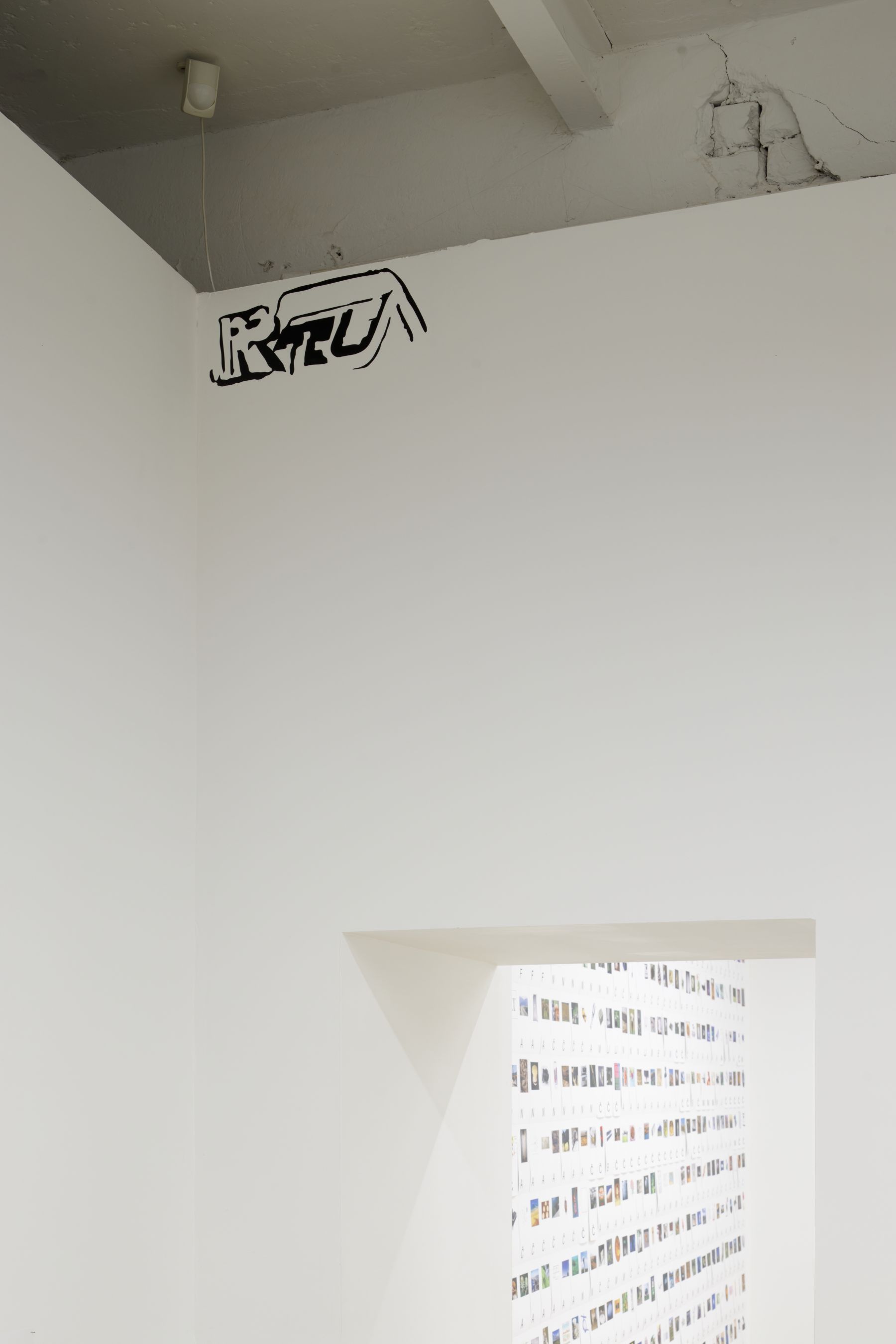
Curated by: Riga Technoculture Research Unit (RTRU) (Zane Onckule and Elizaveta Shneyderman)
Project Manager: Evita Goze
Executive Director: Elīna Drāke
Partner institutions: Temnikova & Kasela Gallery (Tallinn), Artnews.lt and Echogonewrong.com (Vilnius), Rupert (Vilnius).
Suppporters: Baltic Culture Fund, Culture Ministry of Latvia, State Culture Capital Foundation of Latvia, Riga City Council, Embassy of the Republic of Lithuania in the Republic of Latvia.
[1]
[2]
[3]
[4]
[5]
[6]
[7]
[8]
[9]
[10]
[11]
[12]
[13]
[14]
[15]
[16]
[17]
[18]
[19]
[20]
[21]
[22]
[23]
[24]
[25]
[26]
[27]
[28]
[29]
[30]
[31]
[32]
[33]
[34]
[35]
[36]
[37]
[38]
[39]
[40]
[41]
[42]
[43]
[44]
[45]
[46]
[47]
[48]
[49]
[50]
[51]
[52]
[53]
[54]
[55]
[56]
[57]
[58]
[59]
[60]
[61]
[62]
[63]
[64]
[65]
[66]
[67]
[68]
[69]
[70]
[71]